The lobby of the Serena Hotel in Islamabad was supposed to sound like the end of a war. Instead, it sounds like a held breath.
Dust from the Margalla Hills settles on the windshields of black SUVs that haven't moved in forty-eight hours. Inside, the air conditioning hums a low, mechanical drone, filling the spaces where the frantic chatter of diplomats and the scratch of pens on parchment should be. Outside the security perimeter, the city of Islamabad is a ghost of its usual self. Ten thousand police officers stand at intersections, diverting traffic away from a breakthrough that refuses to happen.
Consider Amna, a shopkeeper three blocks from the "Red Zone." She doesn't care about the intricacies of centrifugal enrichment or the legal definition of a naval blockade. She cares that her shelves are empty because the Strait of Hormuz is a graveyard of sea mines and intercepted tankers. For Amna, and for millions like her from the Gulf to the Mediterranean, the "stall" in negotiations isn't a political setback. It is a mounting tally of missed meals and darkened homes.
The facts are cold, but the reality is bleeding. Since the war ignited on February 28, the Middle East has been reshaped by fire. We are two months into a conflict that has already claimed thousands of lives and displaced a sixth of Lebanon's population. When the ceasefire was struck on April 8, there was a collective, global exhale. Pakistan, playing the unlikely role of the world’s most desperate referee, offered a stage. They called it the Islamabad Talks.
But the stage is currently empty.
The first round lasted twenty-one grueling hours. Vice President J.D. Vance sat across from Iranian representatives in a room thick with the scent of stale coffee and the weight of decades of mutual loathing. They reached the edge of a map. The Americans demanded a total, affirmative rollback of every tool that could lead to a nuclear weapon. The Iranians demanded an end to the "piracy" of the naval blockade that has choked their economy into a 60% inflation death spiral.
They are stuck in a sequencing trap. It is a deadly game of "you first." Washington insists on nuclear surrender before the ships can sail; Tehran insists the ships must sail before the labs are dismantled.
Progress. That was the word used after the first round. But progress is a hollow comfort when the second round, scheduled for this past weekend, vanished into the ether.
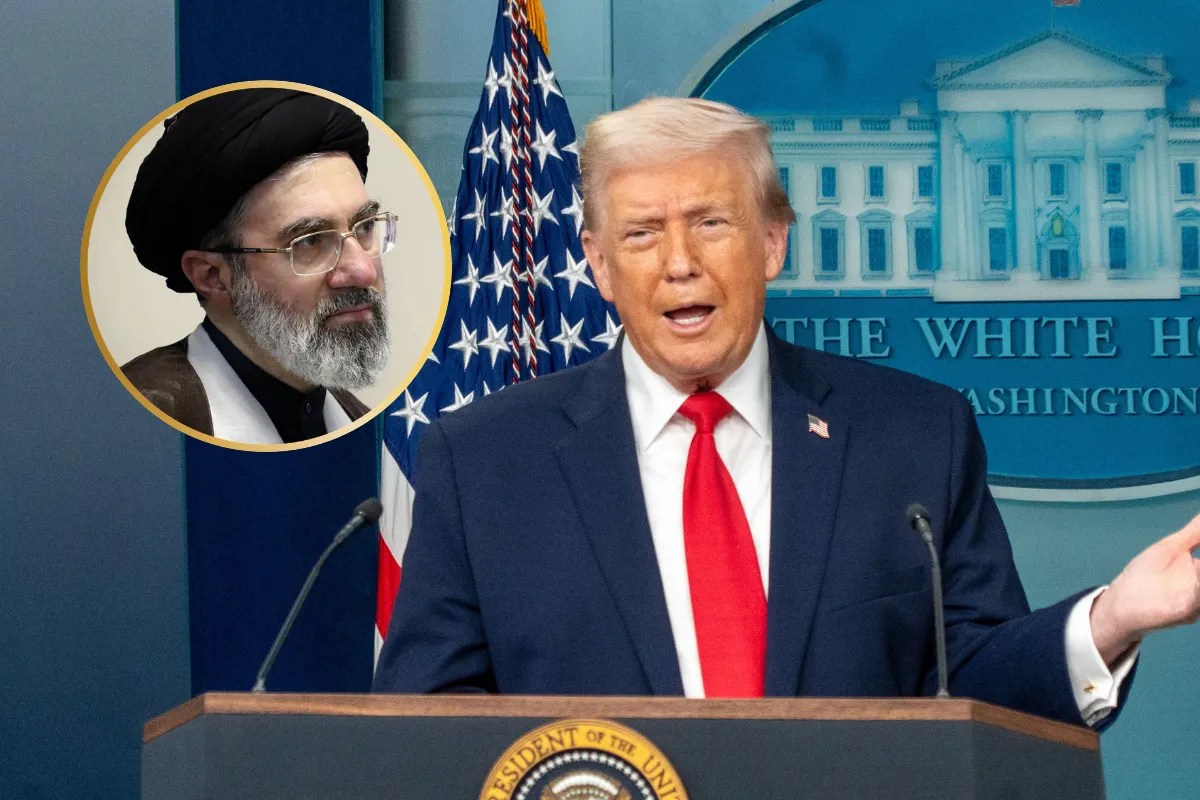
President Trump called off the follow-up mission, stating the Iranians had offered "a lot, but not enough." Meanwhile, Iranian Foreign Minister Abbas Araghchi has been a shadow in the Pakistani capital, drifting in and out of meetings, then suddenly appearing in Muscat or St. Petersburg. He is looking for a side door—a deal that reopens the Strait of Hormuz while kicking the nuclear "can" further down a road that is rapidly running out of pavement.
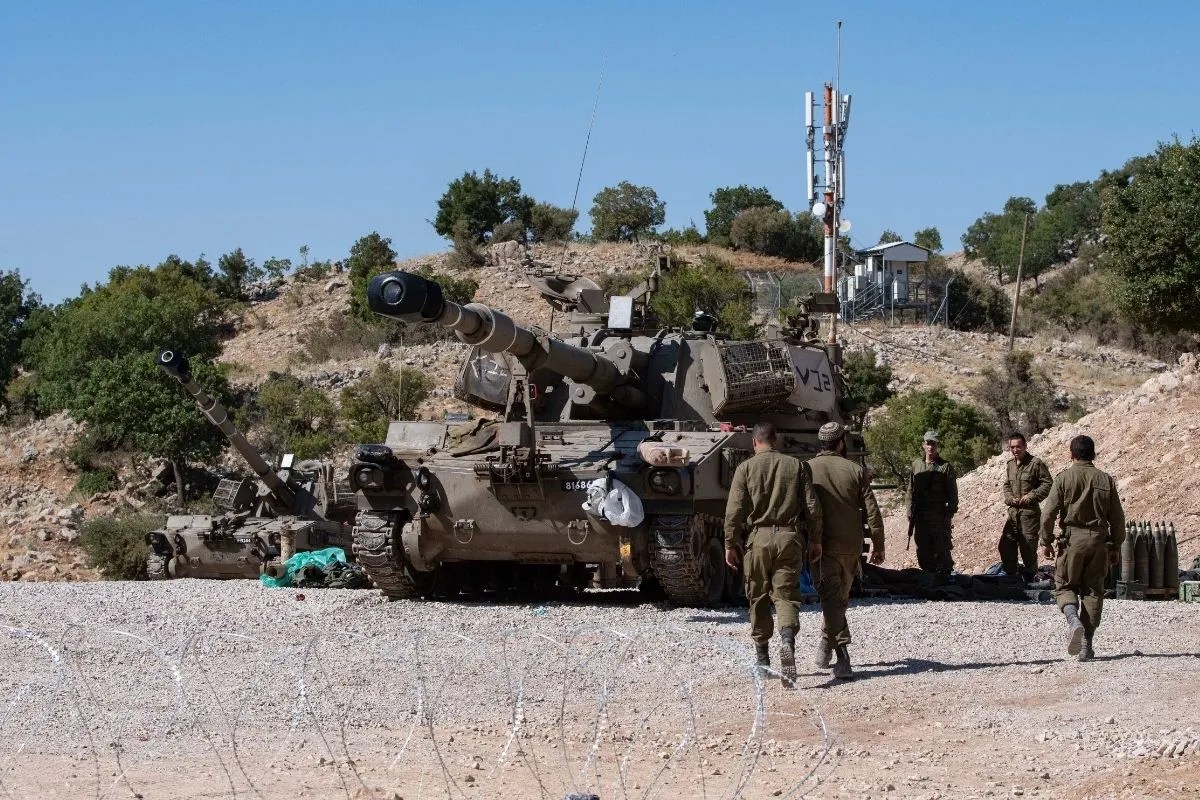
The tension in the streets of Rawalpindi is palpable. The ceasefire is holding, but it is a fragile, crystalline thing. It is the kind of peace that feels like a fuse waiting for a spark. While the diplomats bicker over the phrasing of a memorandum of understanding, the U.S. Navy is clearing mines in the water, and U.S. Marines are landing in the region. The message is clear: the pen is on the table, but the sword is already drawn.
We often treat these conflicts as a chess match played by giants, but look closer at the board. The squares are made of human lives. Every day the talks stall is another day the global economy shudders under the weight of $150-a-barrel oil. It is another day a father in Tehran wonders if the ceasefire will survive the night, or if the "conquest" promised by American rhetoric is about to arrive at his doorstep.
Pakistan’s leaders, Prime Minister Shehbaz Sharif and Field Marshal Asim Munir, are exhausted. They have leveraged every ounce of diplomatic capital to keep the two sides in the same zip code. They know better than anyone that if these talks collapse for good, their own borders will feel the tremors. They aren't just mediating for the sake of global peace; they are mediating for their own survival.
The tragedy of the Islamabad stall is that both sides are waiting for the other to blink, seemingly unaware that they are both going blind.
The hotel staff at the Serena are starting to take down the "Media Facilitation" signs. The barriers are being lifted. The world is moving on from the hope of a quick resolution and settling into the grim grit of a long, cold standoff. But the silence in the lobby isn't the silence of peace. It is the silence that happens right before the screaming starts again.
The ink has dried in the wells. The negotiators are boarding their planes. And in the darkness of the Strait, the mines are still bobbing in the tide, waiting for something to break.