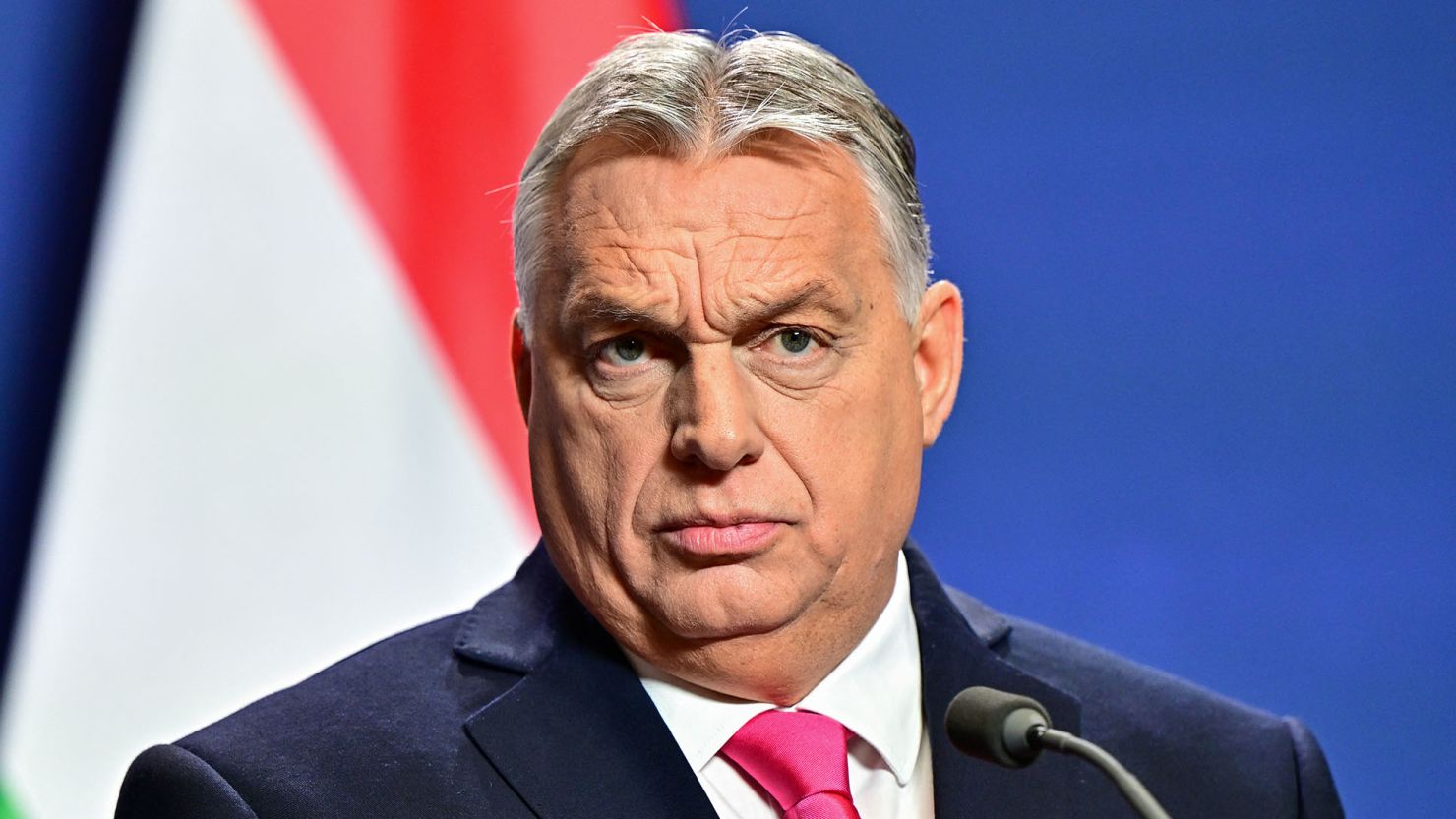
The political tectonic plates just shifted in Budapest, and the tremors are hitting Brussels, Washington, and Moscow all at once. For 16 years, Viktor Orban wasn't just a Prime Minister; he was a symbol of "illiberal democracy," a master of the veto, and a constant headache for the European Union. But as the 2026 election results trickled in this Sunday, the impossible happened. Orban didn't just lose; he got walloped.
Peter Magyar and his upstart Tisza party didn't just win a majority. They're on track for a two-thirds supermajority, according to the latest counts. That's the kind of power Orban used to rewrite the constitution and cement his rule. Now, that same hammer is in the hands of a man who spent his campaign promising to dismantle everything Orban built.
The Moment the Silence Broke
If you were in Budapest on Sunday night, you felt the air change. Thousands of people lined the banks of the Danube, not with the rehearsed cheers of a state-sponsored rally, but with the raw energy of people who honestly didn't think this day would come. Orban’s concession speech was short. It was "painful" and "clear," he said. No conspiracies about stolen votes. No calls to the streets. Just a quiet admission that the 16-year streak was over.
It’s easy to look at this as just another election, but that’s a mistake. This was a record-breaking 78% turnout. People who hadn't voted in a decade showed up. Why? Because the "East vs. West" narrative finally stopped being an abstract talking point and became a lived reality. For many Hungarians, the choice felt like a final exit ramp before the country drifted too far into Moscow's shadow.
Brussels Breathes a Massive Sigh of Relief
Nobody is happier today than the bureaucrats in Brussels. Orban has spent years holding the EU hostage, using his veto power as a poker chip to extract frozen funds or block aid to Ukraine. Ursula von der Leyen’s reaction was almost poetic, claiming "Europe’s heart is beating stronger" in Hungary tonight.
It’s not just about the vibes, though. It’s about the money and the military.
- The Ukraine Aid: A 90 billion euro loan that Orban blocked is suddenly back on the table.
- The Frozen Funds: Billions of euros in EU recovery money, held back due to rule-of-law concerns, will likely start flowing if Magyar follows through on his anti-corruption promises.
- The Veto Power: The EU’s "problem child" is suddenly the star pupil. This changes the entire math of European geopolitics.
A Cold Morning in Moscow and Mar-a-Lago
While Paris and Berlin are celebrating, the mood is likely pretty grim in other corners of the globe. Orban was Vladimir Putin’s best friend inside the EU. He was the guy who could water down sanctions and complicate NATO’s plans. With him gone, Putin loses his most effective "internal" spoiler.
Then there’s the American angle. Orban was a hero to the MAGA movement. Figures like J.D. Vance were vocal in their support, seeing Hungary as a blueprint for how a conservative government can capture state institutions and push back against "woke" liberalism. His defeat is a psychological blow to that movement. It shows that even a deeply entrenched, populist leader with a tight grip on the media isn't invincible when the public decides they've had enough.
What Happens When the Party Ends
Honestly, the hard part starts tomorrow. Winning an election on a "not Orban" platform is one thing. Governing a country where the previous administration spent 16 years filling the courts, the media, and the universities with loyalists is another. Magyar has promised to restore the system of checks and balances, but he’s walking into a house where the wiring has been stripped.
He’s going to face immediate pressure to deliver on the economy. Inflation and energy costs were the silent killers for Orban's campaign. If Magyar can't fix those fast, that "miracle" he talked about on election night will have a very short shelf life.
You should keep a close eye on the transition of power over the next few weeks. Watch how the Fidesz-controlled media outlets pivot—or don't. That’ll tell you if Orban is truly stepping back to "heal wounds" or if he’s just reloading for a comeback from the opposition benches. For now, the "Orban System" is broken. Whether it stays broken depends on if the new government can be more than just a reaction to the past.
If you’re invested in European politics or international markets, now’s the time to re-evaluate your Hungary outlook. The risk profile of the country just fundamentally shifted from "unpredictable outlier" to "re-integrating partner." That’s a massive win for regional stability, but a massive challenge for the new administration in Budapest.