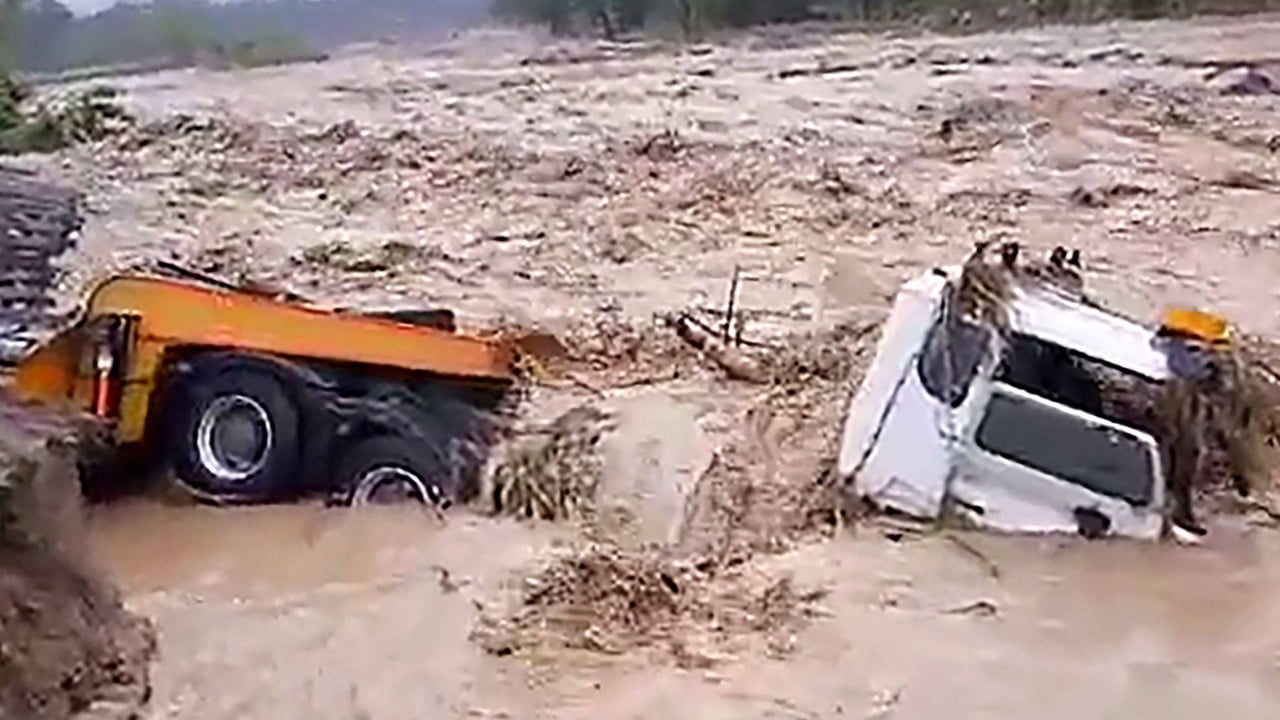
The Pacific isn't just facing a bad storm season. It's facing a total shift in how its islands survive. When Cyclone Maila tore through the region, it didn't just leave behind a trail of physical wreckage. It left a body count of 11 people and a stark reminder that the current aid model is constantly playing catch-up. Australia’s recent pledge of US$1.7 million in immediate relief funds is a necessary move, but let’s be honest about what it really is. It's a band-aid on a gaping wound.
People looking for news on this disaster aren't just wondering about the dollar amount. They want to know where that money goes, why these storms are getting so much more lethal, and if the Pacific is actually prepared for the next one. The reality is that US$1.7 million sounds like a lot until you see a flattened village.
Where the Money Actually Goes
When the Australian government announces aid, it isn’t just handing over a giant check to a local leader. That’s a common misconception. Most of this US$1.7 million is funneled through established humanitarian partners on the ground. Think organizations like the Red Cross and various UN agencies that already have the infrastructure to move fast.
They use this cash for the basics of human survival. We’re talking about clean water kits, emergency shelter materials, and food supplies for families who lost everything in a matter of hours. In the wake of Maila, the immediate priority is stopping the secondary wave of tragedy—disease. When water systems fail, cholera and other waterborne illnesses can kill more people than the wind ever did.
Australia's response also includes logistical muscle. They’re deploying RAAF aircraft to drop supplies into remote areas where roads have simply vanished. It’s expensive work. Fuel, flight hours, and specialist personnel eat into that US$1.7 million fast. It’s a race against time, basically.
The Deadly Numbers Behind Cyclone Maila
Eleven lives lost. In a global news cycle, that number might seem small to some, but in the context of these tight-knit island communities, it’s devastating. Each death represents a gap in a village's social fabric. Most of these fatalities happened because of flash flooding and landslides, which are becoming the signature killers of modern Pacific cyclones.
Maila wasn’t just about high wind speeds. It was about the sheer volume of water it dumped. The ground in many of these islands is already saturated from a particularly wet season, making landslides almost inevitable once a major storm hits. We saw homes built on hillsides simply slide into valleys. It’s a terrifying way to go.
Beyond the loss of life, the economic hit is massive. We're looking at destroyed crops—coconut and taro plantations that people rely on for both food and income. When a storm wipes out a season's harvest, the "aid" needs to last much longer than the initial cleanup phase.
Why the Current Aid Strategy Needs to Change
Australia has a long history of being the "first responder" in the Pacific. It's part of their regional strategy. But if you talk to climate scientists or disaster relief experts, they’ll tell you that reactive funding is a losing game. We’re spending millions to fix things that could have been protected for thousands.
The focus has to move toward "disaster risk reduction" rather than just "disaster relief." This means building sea walls, relocating vulnerable inland communities, and reinforcing schools and hospitals so they can serve as bunkers. Right now, we wait for the tragedy to happen, then we scramble to help. It's inefficient.
There's also the geopolitical angle. Australia isn't the only player in the Pacific anymore. Other nations are looking to provide infrastructure and support. For Canberra, this US$1.7 million isn't just about charity; it's about maintaining its status as the partner of choice for its neighbors. If Australia doesn't show up, someone else will.
What Recovery Looks Like in the Next Six Months
The first 72 hours are about saving lives. The next six months are about preventing a total economic collapse. Once the RAAF planes go home and the news cameras move on, the real struggle begins for the people affected by Maila.
Families will be living in temporary shelters for months. Rebuilding a home to a standard that can survive a Category 4 or 5 storm is expensive. Most people can't afford it. This is where the international community usually fails. We provide the tent, but we don't provide the timber and nails for the permanent house.
You should watch for how the local governments manage the long-term reconstruction. They need to ensure that aid isn't just concentrated in the capital cities but reaches the outer islands where the damage is often the worst and the help is the slowest to arrive.
How You Can Actually Help
If you're reading this and want to do something, don't send old clothes. It’s a huge mistake people make. Shipping containers of random donations often clog up ports and take up resources that could be used for food and medicine. It's called "the second disaster."
The best way to support the recovery from Cyclone Maila is through direct cash donations to reputable agencies already on the ground. These groups buy supplies locally whenever possible, which helps jumpstart the local economy.
Support organizations like the Australian Red Cross or UNICEF Australia. They have the systems in place to make sure your ten or twenty bucks actually turns into a bag of rice or a water purification tablet. Stay informed by following local Pacific news outlets that provide much more granular detail than the big international networks. They’re the ones telling the stories of the people actually living through the aftermath.
The Pacific isn't going anywhere, but its islands are changing. Supporting them through Maila is just the start of a much longer conversation about what it means to be a neighbor in a warming world.