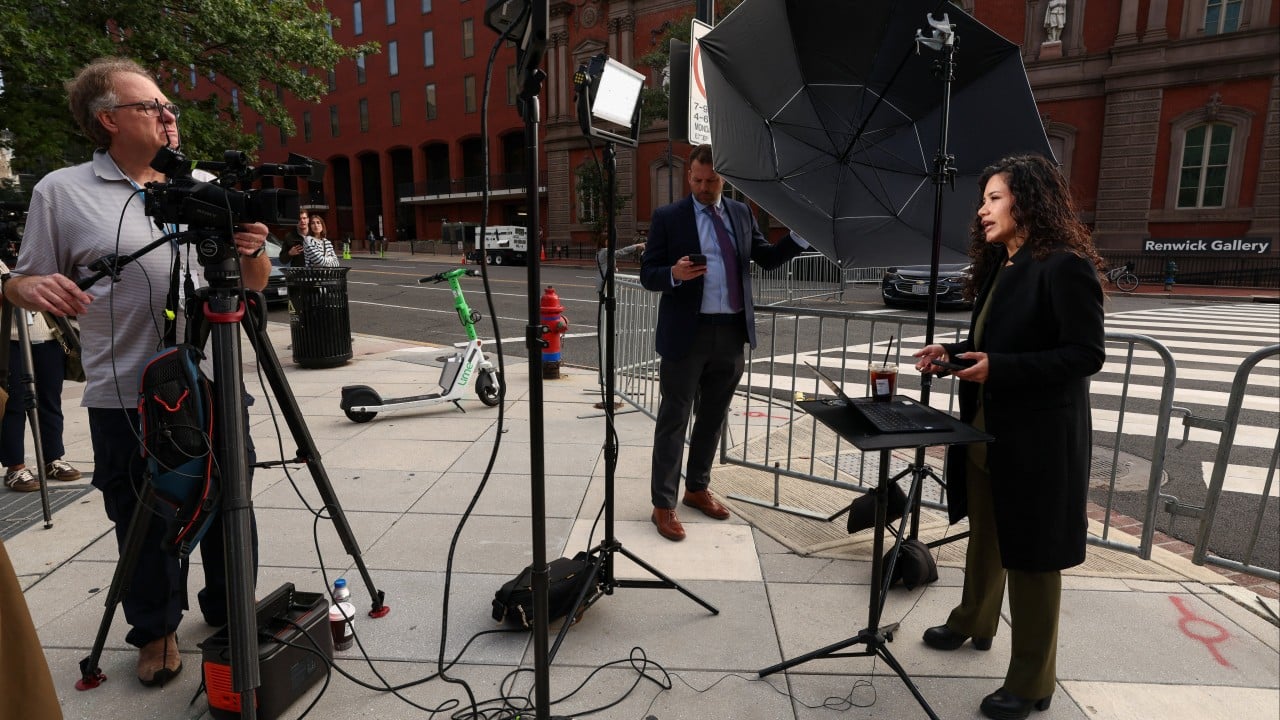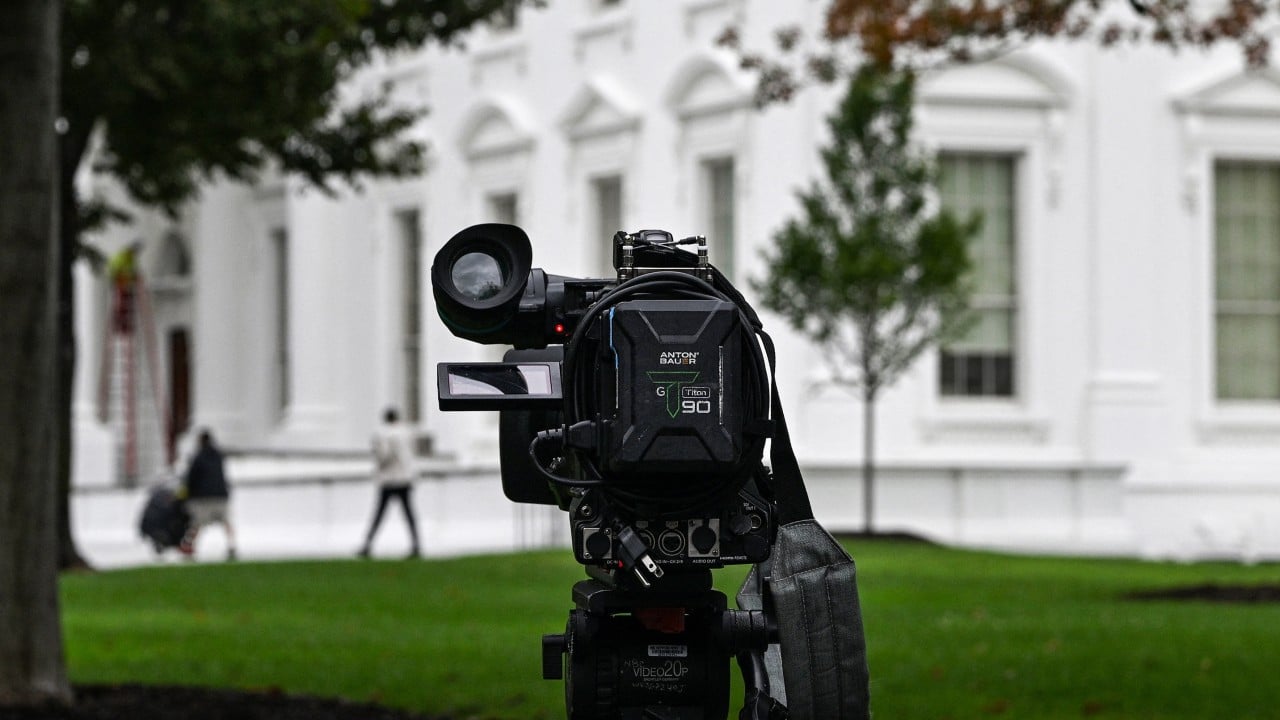
When Donald Trump turned to reporters during Chinese President Xi Jinping’s high-stakes Washington visit and praised the press for "fair coverage," it sounded like a sudden plot twist. Just hours earlier, the White House press corps was locked in an intense standoff involving temporary press bans, frantic federal court orders, and an unexpected reliance on foreign state media feeds.
You don't get a complete picture of modern political media management by simply taking presidential compliments at face value. Behind those warm remarks about fair reporting lies a messy collision between constitutional access, White House gatekeeping, and the scramble to cover a major geopolitical summit.
The Court Order That Altered the Room
The friction started long before Trump sat down for tea with Xi and first lady Peng Liyuan. A federal judge had just ordered the administration to restore White House press credentials to major outlets like CNN, Politico, and MS NOW following a sudden exclusion.
Administrative compliance didn't happen overnight. While legal documents stated access was reinstated, journalists on the ground reported being kept off White House grounds well past crucial morning events.
Because domestic network pool cameras were sidelined during the initial hours of Xi's arrival, viewers saw a bizarre vacuum. Foreign state media, including the China Global Television Network, broadcasted footage that domestic American networks couldn't capture. That optics failure created immediate pressure inside the West Wing. When the banned reporters finally cleared security and re-entered the press ecosystem, the administration's posture shifted fast.
What 'Fair Coverage' Actually Means in High-Stakes Diplomacy
When a president praises the media during a visit from a foreign head of state, it's rarely a spontaneous media critique. It’s strategic messaging.
Hosting Xi Jinping was a massive diplomatic focal point. The agenda touched on heavy economic policy, tech friction, and global stability. The administration wanted an unblemished narrative of strength and mutual cooperation beamed across domestic and international screens.
When major networks returned to the fold, the president's nod to "fairness" served a dual purpose. It defused immediate tension with a press corps that was actively pushing back against credential restrictions. It also signaled to international observers that domestic dissent and media scrutiny were back in normal working order, even if the road to that briefing room had been rocky.
The Real Cost of Press Access Battles
We've seen this movie before. Restricting press credentials or locking out specific outlets during landmark summits creates immediate logistical chaos. It doesn't silence reporting; it just forces journalists to rely on second-hand accounts, delayed pool reports, or alternative feeds from foreign entities.
That dynamic weakens America's information ecosystem in real time. When foreign state broadcasters have a clearer line of sight into a Washington arrival ceremony than domestic networks, accountability takes a hit.
The legal battles over White House access will keep winding through the courts under temporary injunctions. But the core takeaway from Xi's visit isn't about a fleeting compliment delivered over tea. It's a reminder that press freedom in the digital age is an active negotiation, fought out just as intensely in federal courtrooms as it is under the briefing room lights.