When streets burn in Paris and Limoges, politicians thousands of miles away rarely miss the chance to grab a megaphone.
In mid-October 2026, U.S. President Donald Trump pointed straight at immigration as nationwide protests over rising living costs spiraled into riots, looting, and thousands of arrests across France. His warning was blunt: seal the borders, deport those breaking the law, or Europe won't survive.
Honestly, that kind of soundbite travels fast. It's loud, simple, and fits right into a transatlantic culture war ahead of elections. Yet when you look past the viral clips of burning buildings and social media posts, the story on the ground in France is much messier than a single-cause blame game suggests.
What Actually Sparked the France Unrest
The riots didn't start over border policy. They grew out of everyday financial squeeze—cost-of-living anger that first pulled high school students into the streets and soon collided with broader frustration over prices, policing, and economic pressure.
Within days, demonstrations spread across major cities including Paris, Marseille, Lyon, Nice, Nantes, Bordeaux, Limoges, Lille, Toulouse, and Strasbourg. Over a single weekend, more than 2,330 people were arrested as clashes escalated, shops were looted, and historic public buildings—including the 19th-century city hall in Limoges—suffered severe fire damage.
Similar protest waves also flared in other parts of Europe around the same stretch, including demonstrations and clashes in countries like Italy, Albania, and Spain. Watching those images from afar makes it tempting to treat the whole continent as one single powder keg.
Still, lumping student demonstrators, cost-of-living marchers, professional black-bloc agitators, and opportunistic looters into one neat bucket misses what happened block by block. French officials and analysts noted that early student grievances were joined by violent agitators and looters who turned street protests into property destruction.
Inside Trump's Warning on Borders and Europe
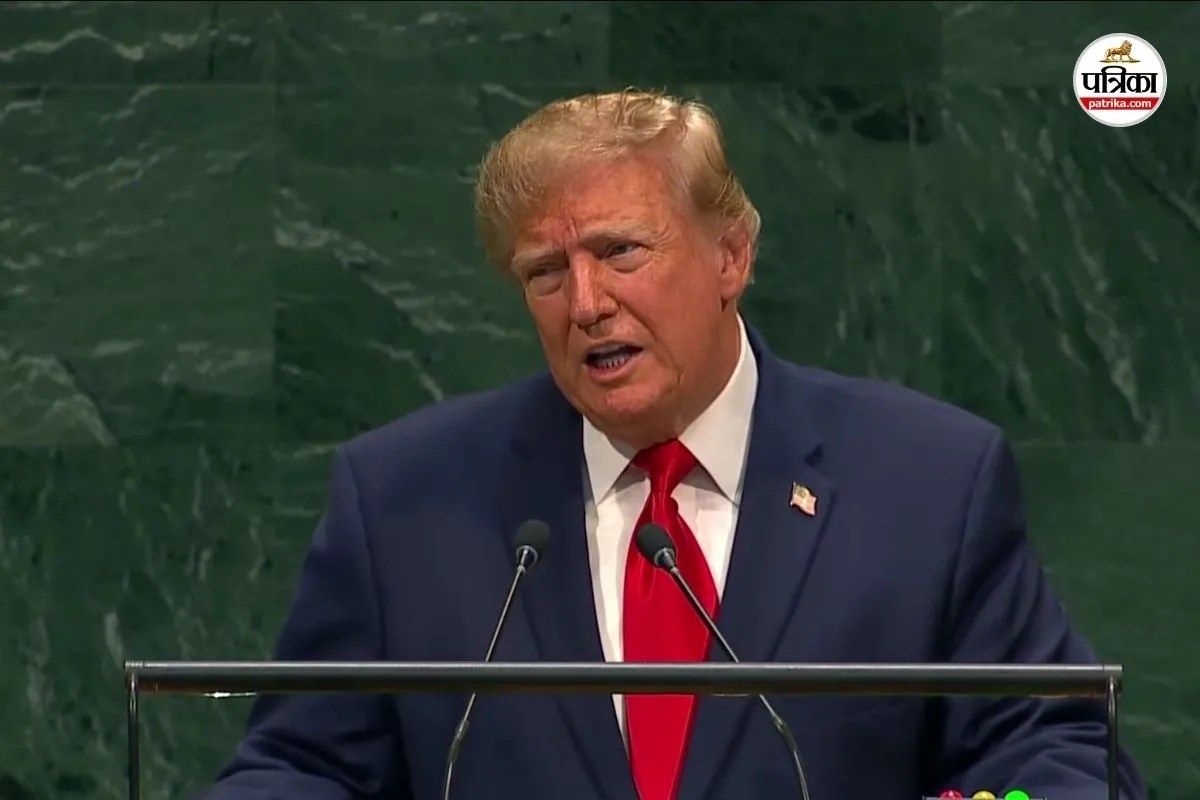
Trump didn't keep his reaction confined to one post. Speaking to reporters, posting on Truth Social, and addressing a rally in Kansas, he framed France's turmoil as proof that loose migration policies destroy nations from within.
He claimed he had warned French President Emmanuel Macron years earlier about letting people enter without tight limits, went so far as to predict Paris would soon become a Muslim city, and argued that Europe would be finished if it didn't shut its borders and crack down on violent protesters. Vice President JD Vance and other Republicans echoed the warning, using footage from France to argue that similar unrest could hit the United States if voters backed Democrats.
As a political pitch, it's unmistakable. Foreign chaos becomes domestic leverage. You don't have to solve a complex European economic and social crisis to turn it into a warning label for your own voters.
What the Evidence Actually Shows About the Riots
Here's where the gap between political rhetoric and verifiable facts gets wide.
According to reporting from the Associated Press, there was no solid evidence backing claims that immigrants—or specifically migrants of Muslim heritage—were driving most of the destruction in France or Italy. French authorities haven't tied the protest violence to migration, and under French constitutional equality rules, the state is barred from collecting official data on race or ethnicity for people arrested or tried.
That legal detail matters more than people realize. Because France doesn't track arrests by racial or ethnic categories, anyone claiming a specific migrant group caused the bulk of the riots is speaking without official demographic proof.
Integration vs. Immigration
Even French observers who look closely at social tensions draw a sharp line between immigration (who crosses the border) and integration (whether people born or raised in the country feel economically and socially included). High school students and third- or fourth-generation French citizens aren't newly arrived migrants stepping off a boat.
When young people feel priced out of basic living costs or clash with heavy-handed policing, anger can spill over fast. Blaming border policy alone is an easy shortcut. Fixing housing costs, youth opportunity, and trust between communities and police is much harder.
Domestic Politics Behind the Blame Game
Every political camp has an incentive to spin street disorder to its advantage. Ahead of France's April national election, rivals pointed fingers at the far left—which had backed the student movement early on—while far-left leader Jean-Luc Mélenchon defended the protesters' underlying grievances and criticized heavy-handed police tactics.
Meanwhile, in the U.S., framing French riots around migration served a clear electoral purpose for Republicans heading into the midterms. What you're seeing isn't just a debate over European border law. It's two different political playbooks fighting over the same headlines.
Why This Story Resonates Far Beyond France
You don't have to live in Paris to feel why this argument hits a nerve. Inflation hurts household budgets everywhere, and viral videos of looting or burning buildings trigger immediate anxiety about public order.
In my experience reading international coverage during periods of civil unrest, the first wave of commentary is almost always the loudest—and the least accurate. People look at dramatic footage and project their own domestic fears onto it. Sometimes border controls and enforcement are central debates, as seen in ongoing U.S. legal battles over asylum restrictions reported by AP News. Other times, street anger is driven primarily by economic strain and local politics.
If you want to make sense of stories like this without getting pulled into knee-jerk outrage, take a few practical steps next time a viral crisis hits your feed:
- Check who's talking and why: Notice whether a politician is analyzing local conditions or using a foreign protest to score points at home.
- Separate the spark from the chaos: Ask what started the protest—like cost-of-living pressures—versus who showed up later to loot or fight police.
- Look for data limits: When a claim targets a specific group, check whether official statistics actually exist or if the law doesn't even track that data.
- Read multiple wire reports: Compare coverage from outlets like Al Jazeera and the Associated Press before deciding what caused the unrest.