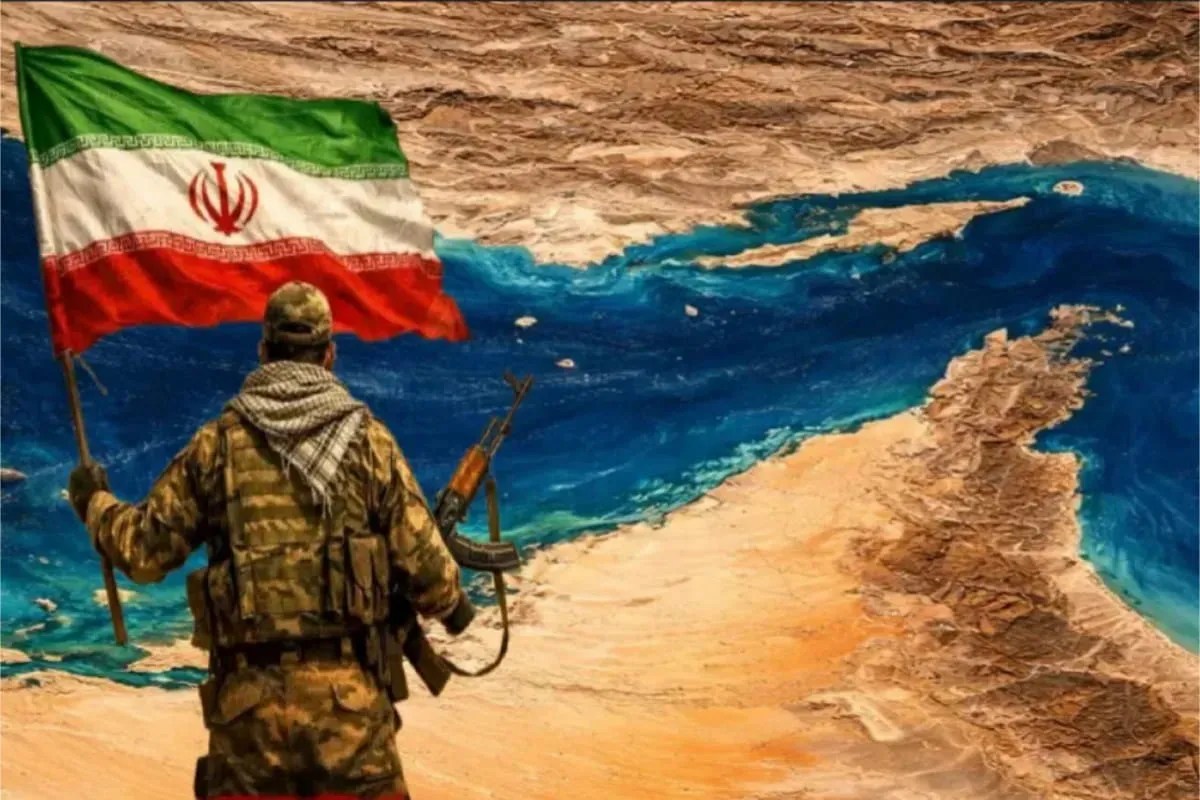
The Strait of Hormuz remains the single most critical maritime chokepoint on planet Earth. Through this narrow body of water, flanked by Iran to the north and the Arabian Peninsula to the south, flows a staggering percentage of the world’s petroleum consumption. When senior military figures in Tehran issue stern warnings about closing or restricting passage through these vital shipping lanes, global markets shudder instantly.
Understanding the weight behind these threats requires looking past the immediate political rhetoric and examining the actual physical geography and logistics at play.
The Anatomy of a Global Chokepoint
At its narrowest point, the Strait of Hormuz is roughly twenty-one miles wide. The inbound and outbound shipping lanes are each only two miles wide, separated by a two-mile buffer zone designed to prevent collisions between supertankers hauling millions of barrels of crude. This geography concentrates immense economic leverage into a very small geographic space.
When Iranian military leadership signals that transit through the strait could face severe friction or outright prohibition, they are leveraging an asymmetrical advantage built over decades. You do not need a massive blue-water navy to disrupt traffic in a narrow corridor. Small attack craft, coastal cruise missile batteries, maritime mines, and drone swarms create an environment of extreme risk for commercial insurers.
Insurance rates dictate whether global trade happens. If underwriters decide that the probability of a missile strike or seizure is too high, the cost of maritime insurance skyrockets overnight. Tanker operators simply stop sailing, regardless of whether a physical blockade has officially been established.
Historical Precedents and Economic Shockwaves
This is not a theoretical exercise. History provides clear templates for how regional tensions translate into immediate financial pain for ordinary consumers thousands of miles away. During past periods of heightened friction in the Persian Gulf, freight rates for crude carriers surged. Refiners in Asia, Europe, and the Americas scrambled to secure alternative supplies or dipped into strategic petroleum reserves.
The global economy operates on thin margins and predictable supply chains. Crude oil is the primary energy source that keeps manufacturing hubs powered, container ships moving, and commercial aviation functioning. Even a temporary disruption in the Persian Gulf ripples outward with terrifying speed.
Consider the downstream effects of a restricted strait.
- Refining Bottlenecks: Refineries calibrated to specific grades of Middle Eastern crude cannot easily or instantly switch to domestic shale or alternative imports.
- Fertilizer and Agriculture: Natural gas feedstock, frequently extracted and transported through the broader region, influences global fertilizer prices, directly impacting food production costs worldwide.
- Freight Inflation: Bunker fuel prices climb when tankers take longer routes or face higher risk premiums, driving up the cost of moving consumer goods globally.
The Strategic Reality of Deterrence
Military analysts often debate the actual feasibility of a total, long-term closure of the waterway. Closing the strait completely invites massive international retaliation, potentially crippling Iran’s own oil export revenues, which largely flow through the same geographic bottleneck or nearby terminal outlets.
Instead of an absolute blockade, the more realistic scenario involves calibrated friction. Harassment of foreign-flagged vessels, electronic jamming of navigation systems, and sporadic kinetic incidents create a permanent state of high anxiety. This grey-zone conflict achieves the desired geopolitical objective of raising the stakes for Western powers and regional rivals without necessarily triggering a full-scale conventional war.
Shipping companies and energy traders are forced to price in this permanent premium of instability. The modern energy grid is far more interconnected than most realize, and vulnerability in the Persian Gulf translates directly to fuel surcharges at local petrol stations from Tokyo to Toronto.
The rhetoric from military coordinators in Tehran serves as a constant reminder of how fragile modern supply lines truly are. Beneath the daily noise of financial markets and diplomatic communiques lies a stark physical reality: a handful of miles of water dictate the economic stability of nations half a world away.