The lazy consensus loves a fairy tale.
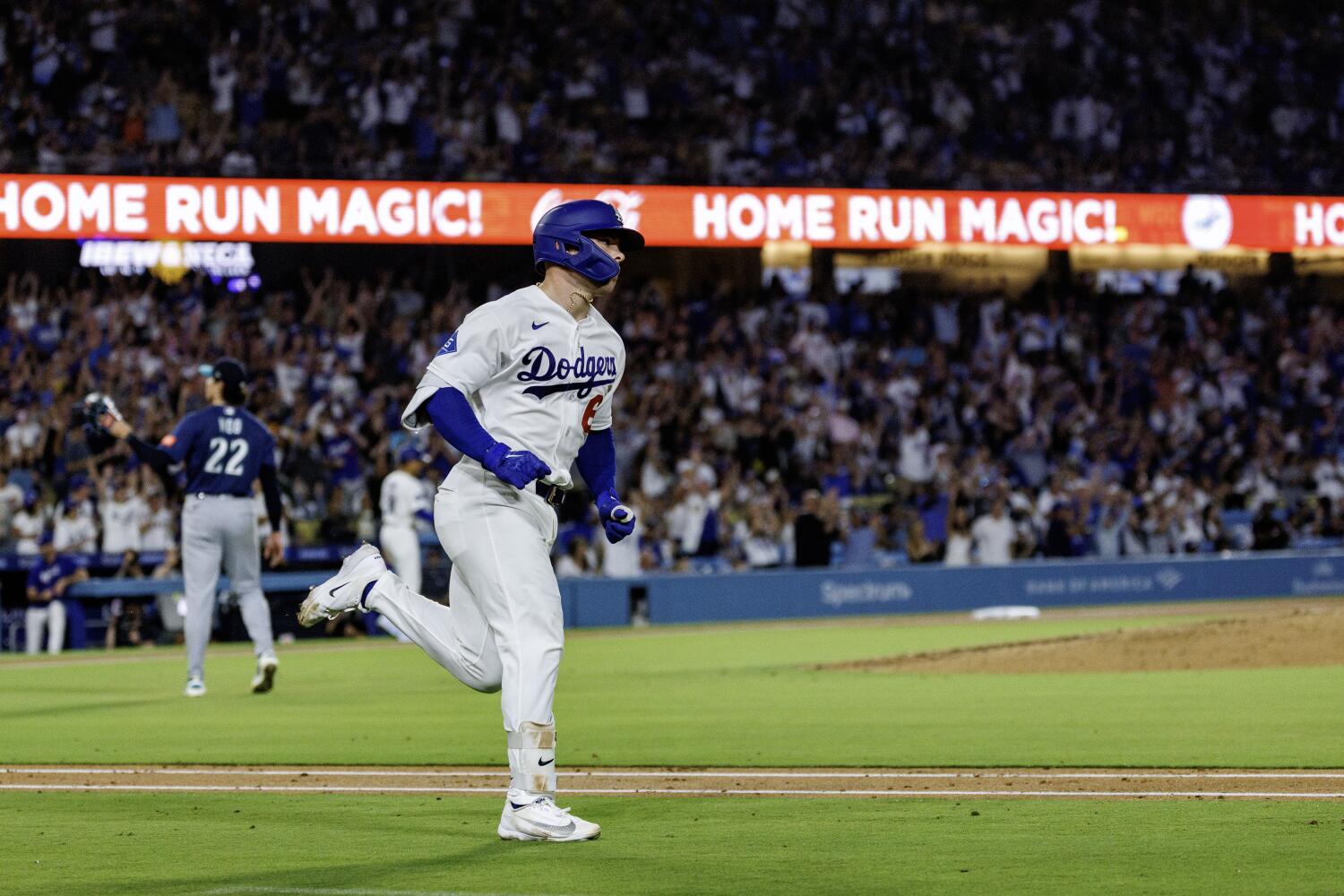
The box score from Tuesday night reads like a Hollywood script tailored for local broadcast booth homers: Blake Snell returns from elbow surgery, strikes out 10 in six brilliant innings, and Max Muncy plays the hero with a walk-off single in the tenth to beat the Kansas City Royals. Roll the credits. Cue the feel-good headlines about championship DNA and resilient rosters bouncing back from a miserable road trip.
Except it is a complete fraud.
If you are a front office executive or a pragmatic observer looking past the cheap dopamine hit of an extra-inning regular-season win, this game exposed every structural rot currently plaguing the most expensive roster in baseball. Stop celebrating Snell’s adrenaline-fueled cameo. Start looking at the structural disaster surrounding him.
The Mirage of the Ten-Strikeout Return
Let us look at the numbers they want you to ignore. Snell carved up the Royals for ten punchouts over eighty-four pitches, touching ninety-nine on the gun and inducing a terrifying whiff rate on his secondary stuff. Impressive? On the surface, absolutely. But context matters. This is the Kansas City Royals, a club built to chase high-spin fastballs up in the zone and flail at sweepers below the earth.
More importantly, treating a single six-inning outburst as proof of concept for a long-term pitching architecture is organizational malpractice. I have watched front offices burn tens of millions of dollars on high-variance arms, treating velocity spikes as permanent cures for chronic health volatility. Snell is an elite talent, but he is also a cyclical ticking clock. Elbow surgery, shoulder fatigue, truncated spring training builds—these are not anomalies in his career ledger; they are the baseline.
When a rotation relies on a pitcher who has barely thrown half a season to magically anchor a stretch run, you are not planning a championship pursuit. You are buying lottery tickets and praying the ink does not smudge.
The Rot Beneath the Bullpen and Bench
Look at what happened the second Snell handed the ball over. The bullpen immediately caught fire, coughing up a late lead because modern relief usage has devolved into a glorified game of roulette. Evan Phillips and company did what they have done all summer—walked traffic, missed spots, and handed momentum right back to an inferior opponent.
Imagine a scenario where a multi-hundred-million-dollar franchise does not have to white-knuckle every single ninth-inning appearance because its bullpen construction resembles an emergency room triage unit.
The offensive approach is just as broken. Mookie Betts had a massive night, and Muncy came through in the clutch, but a walk-off in the tenth inning against a small-market bullpen masks an offense that spent the middle frames looking completely inert. Relying on late-inning heroics and extra-inning ghost runners is not an identity. It is a mathematical scam that catches up to you the second October rolls around and you face arms that do not walk the ballpark.
The Real Question Nobody is Asking
People are asking whether Snell can carry this rotation through September. That is the wrong question entirely.
The real question is why a team with a payroll the size of a small nation has engineered a roster so fragile that a single starter returning from the injured list is treated like the second coming of Sandy Koufax. When your entire organizational momentum hangs on whether an erratic left-hander can avoid the operating table for another sixty days, your depth strategy has already failed.
The Dodgers won. Great. Max Muncy can circle the bases, and Dave Roberts can breathe a temporary sigh of relief in the dugout. But if you think Tuesday night was a sign of a contender finding its stride, you are looking at the scoreboard instead of the underlying engine.
The engine is knocking. And no walk-off single is going to fix the block.