It usually starts around six in the morning.
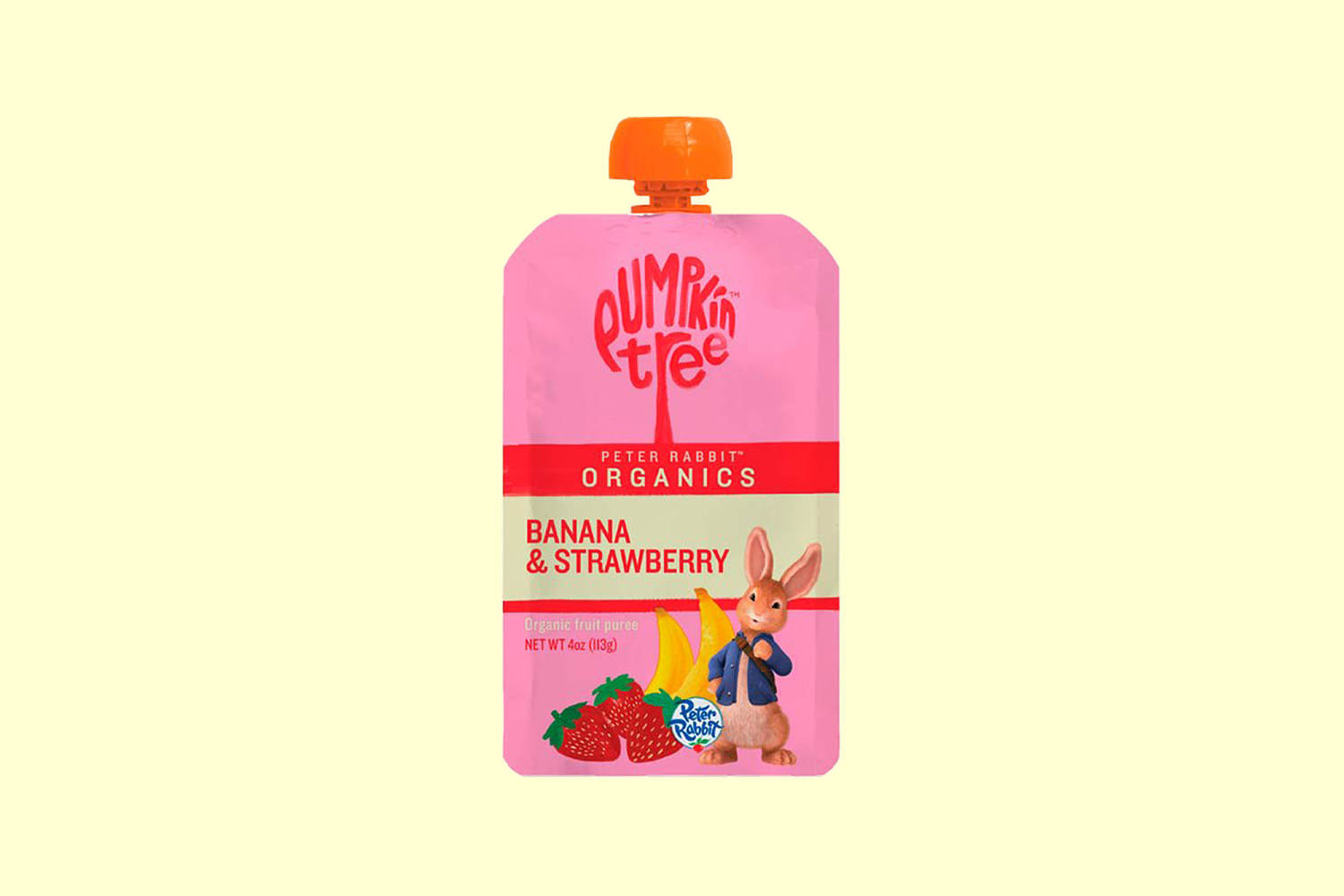
The sun barely skims the kitchen window sill, casting long, cool shadows across the linoleum. You are half-awake, your mind foggy from broken sleep, standing in front of an open pantry door. Your toddler is tugging at your pant leg, hungry, restless, demanding breakfast right now. You reach for the shelf, grabbing a brightly colored pouch of organic fruit purée—PT Organics, a brand you chose specifically because you trusted it. You twist open the cap, pass it down, and hear that familiar, quiet squeeze.
Panic does not usually announce itself with alarms or flashing lights. It creeps into ordinary moments like this, silent and jarring.
A routine quality check recently caught something that should never be in a child's food: soft strands of plastic embedded directly within batches of PT Organics fruit pouches. It was not a grand industrial disaster visible from miles away. It was small, flexible material, hidden beneath sweet apples and berries, completely invisible from the outside of a sealed container.
Silence followed the announcement. But for thousands of parents standing in quiet kitchens, that silence felt deafening.
Trust Built in Squeezes and Spoons
Consider a hypothetical mother named Sarah. Sarah buys organic pouches because she wants a guarantee. She reads the back of every label, scanning for unwanted sugars, artificial dyes, and preservatives. When she buys an organic product, she buys peace of mind.
That peace rests on an unwritten agreement between a family and a factory miles away. The consumer assumes that the modern food supply chain, with all its machinery, stainless steel vats, and strict oversight, works flawlessly to keep danger out of little mouths.
Then comes the voluntary recall notice.
The language in official safety alerts is always cold and clinical. Words like "foreign material contamination," "precautionary measure," and "batch numbers" strip away the human weight of the situation. They reduce a parent's sudden burst of fear down to a cold series of digits printed on the bottom seam of a foil package.
When you read that soft plastic strands might be resting at the bottom of a pouch your child finished yesterday, your stomach drops. You do not think about logistics or supply chains. You think about tiny hands, delicate throats, and the sheer vulnerability of a young child relying entirely on your judgment.
The Invisible Vulnerability of Modern Convenience
Convenience changed the way we feed our families. A generation ago, pureeing fruit meant steaming apples, dragging out heavy glass blenders, scrubbing blades, and packing small glass jars. Today, we rely on pressurized foil pouches. They are lightweight, durable, and instantly portable. They fit perfectly into diaper bags and strollers.
Yet that very convenience builds an invisible barrier.
With a traditional bowl and spoon, you see every bite. You feel the texture. You catch the stray seed or peel before it ever reaches a spoon. A pouch removes that visual safety net. The purée flows straight from the nozzle into a child's mouth. The food remains invisible from production line to consumption.
Where did those soft strands come from? In modern food processing facilities, soft plastic can originate from seals, conveyor belting, protective gloves, or raw material packaging. A single compromised component on an automated assembly line can shed microscopic thread-like particles into tons of product before automated detectors notice the discrepancy.
The mechanics are understandable, yet the emotional impact remains heavy. A machine fails, a component wears down, and suddenly a trusted kitchen staple becomes a hazard sitting in hundreds of pantries.
What Happens When You Find a Recalled Item
If you pull open your pantry and discover one of these affected pouches, the immediate reaction is often a mix of frustration and doubt.
Did they eat one yesterday? Were they coughing last night because of a tickle in their throat, or was it something else?
Health experts point out that soft plastic strands carry choking hazards and potential digestive irritation, especially for infants whose airways and digestive tracts are tiny and delicate. While soft plastic is generally less dangerous than sharp metal or broken glass, foreign material of any kind has no place in child nutrition.
When a safety alert strikes, the immediate physical action is straightforward: stop using the product, check the lot codes printed on the packaging, and discard or return the item for a full refund. Retailers clear their shelves, and customer service lines open up to process claims.
The physical cleanup takes minutes. Restoring confidence takes much longer.
Rereeling the Thread of Security
We live in a world where we delegate our survival needs to strangers. We do not farm our own wheat, harvest our own fruit, or inspect our own processing machinery. Every meal is an act of total trust in standard operating procedures, regulatory inspections, and industrial standards.
When a recall happens, that trust breaks. We find ourselves second-guessing the grocery store aisle, looking at colorful packages with newfound suspicion. We squeeze the pouches tightly, holding them up to the light as if we could somehow see through layers of aluminum and plastic.
Safety recalls are proof that systems, however flawed, can catch mistakes. A recall means a check worked, a sample was tested, or a production anomaly was reported before a widespread tragedy occurred. It is a sign of a system catching its own failures, even if it catches them later than any parent would like.
Tomorrow morning, the kitchen will be quiet again. The sun will rise over the window sill, casting the same cool shadows across the floor. You will stand before the pantry, hungry children waiting at your feet, making a choice about what to offer them.
You will check the labels closer this time. You will look at the bottom seams. And as you hand over breakfast, you will remember that behind every convenient pouch is a fragile chain of trust—one that must be protected, verified, and earned every single day.