A press release does not stop a morbillivirus. Neither does a quiet calendar.
When Manitoba public health officials declared the province's measles outbreak over in October 2026 after 1,038 cases—with no lab-confirmed cases since August—standard coverage treated the story like the final curtain on a long drama. Weeks without new confirmed tallies. A tidy wrap-up. A sigh of relief.
That framing is lazy consensus dressed up as good news.
Declaring an outbreak "over" on paper creates a false sense of safety in communities where the underlying fuel is still bone-dry. Worse, it confuses a temporary lull in detected chains of transmission with true epidemiological security. Measles is not polite. It does not retire because a bulletin says the emergency passed. It waits for a spark, an unmasked waiting room, or a pocket of low immunity—and then it moves through unvaccinated households at speed.
The Outbreak Ended on Paper. The Vulnerability Didn't.
Standard outbreak reporting measures what can be seen and counted right now: confirmed cases, recent rash onset dates, and whether a set window of incubation cycles has passed without new detections. With a typical incubation period of 10 to 14 days from exposure to rash onset—and a wider window that can stretch up to 21 days—public health agencies wait through multiple cycles without linked cases before closing an outbreak chapter.
Fair enough on the administrative clock. Case counts did drop sharply after February 2026, when Manitoba recorded 177 confirmed and 34 probable cases in a single month, down to two confirmed cases in August and none in September.
Stop celebrating the dip and look at the math behind it.
Herd immunity for measles requires roughly 95 percent two-dose coverage with a measles-containing vaccine across communities. When coverage sits well below that threshold—as seen across Manitoba health regions where provincial coverage hovered in the mid-60s and pockets like Southern Health dropped even lower—the virus does not need a miracle to return. It only needs one imported or missed infection.
During Manitoba's outbreak, roughly 82.1 percent of cases occurred in people with zero recorded doses of the measles-mumps-rubella vaccine, and half of hospitalized patients were under age 10. Those numbers do not vanish when the outbreak label is retired. The susceptible pool is still sitting right there.
Why People Ask the Wrong Questions After an Outbreak
Once a headline says an outbreak is over, public curiosity shifts fast. People start asking the wrong questions—or asking the right questions with the wrong mental model.
"If there haven't been cases for weeks, isn't the threat gone?"
No. Low or zero reported cases for a stretch of weeks means recognized transmission chains have slowed or paused within local surveillance—not that the virus has been evicted from the continent.
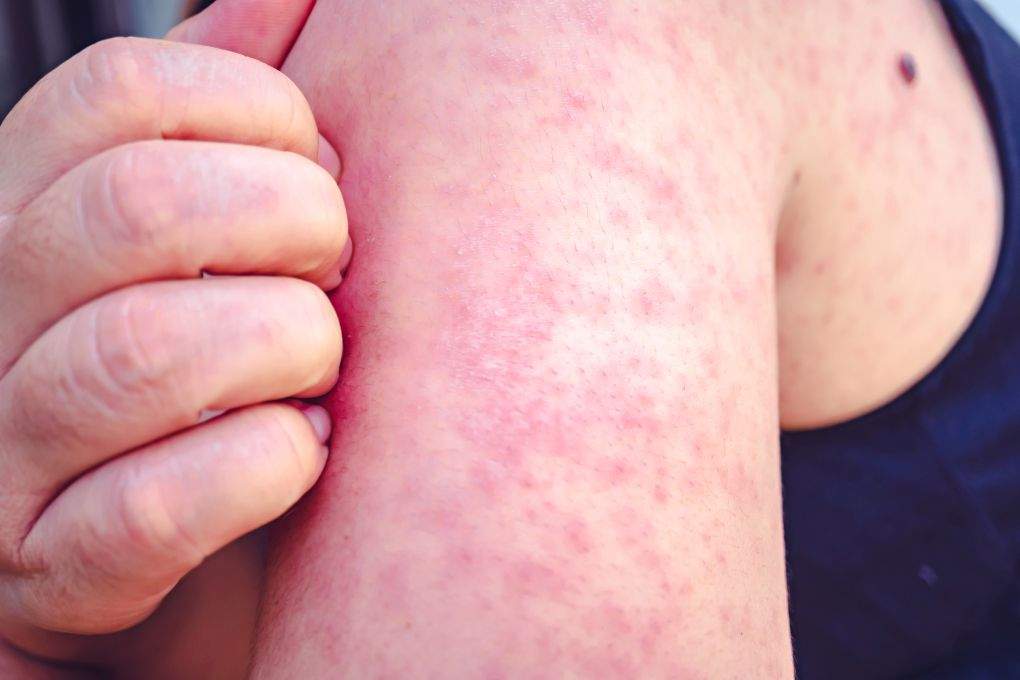
Measles spreads via airborne droplets and aerosols, and the virus can linger in the air for up to two hours after an infected person leaves a space. Worse, a person becomes contagious roughly four days before the signature rash even appears. By the time someone realizes a rash is measles rather than a routine childhood virus, they may have already shared air in a clinic waiting room, grocery aisle, or school hallway.
Imagine a scenario where a single unimmunized child picks up measles during travel to an active outbreak zone outside the province. They fly home feeling mildly run-down, sit in an urgent care waiting room for 45 minutes with a runny nose and red eyes, and develop a rash three days later. One uncounted exposure resets the clock in an under-vaccinated town.
"Doesn't getting measles naturally give better protection anyway?"
That myth is one of the costliest mistakes in infectious disease.
Yes, surviving natural measles infection produces long-term immunity against measles itself. What mainstream coverage too often glosses over is the bill that comes with it.
Work led by immunologist Michael Mina and collaborators—alongside broader virology research—has shown that measles causes immune amnesia. The measles virus infects memory B and T lymphocytes via the CD150 (SLAMF1) receptor, wiping out a substantial share of the immune memory cells an individual built up from prior infections and vaccinations.
In plain English: a child who recovers from measles can walk away with their immune system's prior memory bank partially erased, leaving them more vulnerable to secondary bacterial and viral infections—like pneumonia and ear infections—for months to years afterward. Two to three out of every 1,000 measles cases also lead to severe neurological complications like encephalitis or death, even when headline mortality looks low in a given snapshot. Vaccination prevents measles without inflicting immune amnesia.
"Why did Canada lose measles elimination status if outbreaks can be declared over?"
Because "outbreak over" and "elimination status" measure two completely different things.
Elimination status—verified by bodies like the World Health Organization and the Pan American Health Organization—requires interrupting endemic transmission of the same measles strain continuously for at least 12 months. When sustained transmission ran for over a year across Canada's multi-province surge, Canada lost its measles elimination status at the end of 2025, dragging regional elimination status down with it.
Retiring a single provincial outbreak notice does not automatically restore elimination status. Regaining elimination requires proving transmission is broken across the board—and backing that up with high vaccination coverage and tight surveillance—for a full year.
Battle Scars From Chasing Lagging Indicators
I have watched health systems, school boards, and communications teams make the exact same mistake over and over during respiratory and viral flare-ups: they treat a drop in confirmed weekly cases as a mission-accomplished signal, pull back surge messaging, and act stunned when a fresh cluster pops up six weeks later.
Lagging indicators are comforting. They let officials announce progress.
The problem is that confirmed cases are a rear-view mirror. By the time a lab-confirmed case hits a dashboard, exposure happened roughly two weeks earlier, prodromal symptoms may have been circulating for days, and contact tracing is already playing catch-up.
When communicators frame an outbreak declaration as "it's over," families who were on the fence about catching up on missed shots hear no rush. Clinics that expanded hours or stood up pop-up immunization clinics during the peak often wind down extra capacity right when routine catch-up needs to scale. That is backwards. The lull after a big outbreak is when you press the accelerator on catch-up immunizations—not when you take your foot off the gas.
The Downside of Being the Contrarian Alarm-Ringer
Being the person who pushes back on "good news" headlines carries real risks, and pretending otherwise would be dishonest.
Push too hard on lingering risk after a drop in cases, and people tune out. Cry wolf enough times, and genuine warnings lose punch when a high-risk exposure actually occurs. There is also a real psychological cost to keeping communities in permanent crisis mode—fatigue breeds cynicism, especially among parents already overwhelmed by clinic access barriers, conflicting information, or medical mistrust.
Good contrarianism is not doom-mongering for clicks. It means separating immediate emergency triage from structural immunity gaps, and saying the quiet part out loud: a quiet month is a window of opportunity, not a guarantee.
What Actually Works Instead of Victory Laps
If you care about stopping the next wave rather than admiring a press release, skip the victory lap and run a tighter playbook.
- Audit pockets, not averages. Provincial or national averages hide danger. Look at school-level and health-district vaccination rates, especially among toddlers and school-age kids who missed routine schedules during prior disruptions.
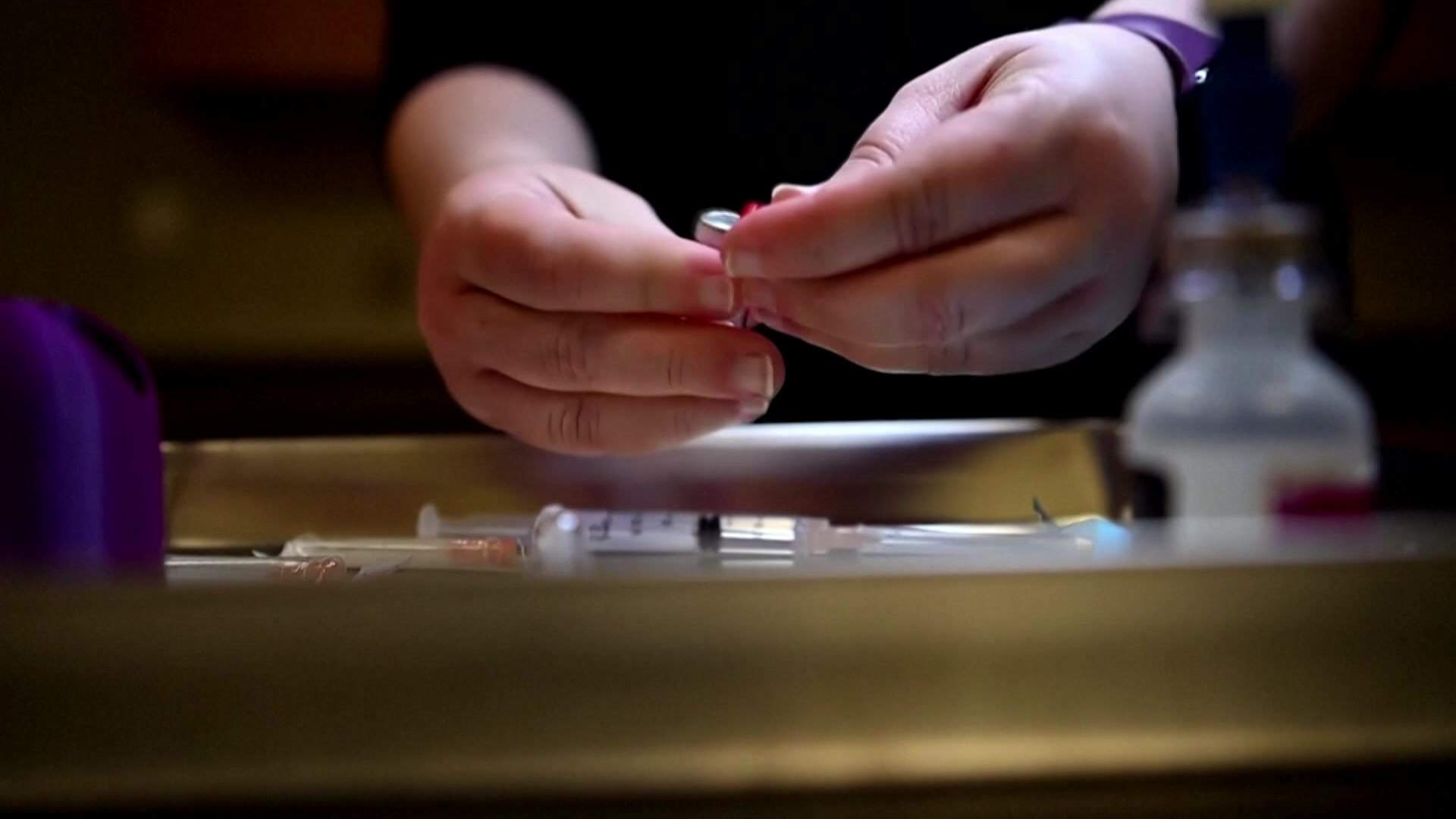
- Make catch-up frictionless. Keep expanded vaccination access—including pharmacies, after-hours clinics, and school catch-up drives—running after headline cases dip, not just during peak panic.
- Treat waiting rooms as high-risk zones. Anyone with fever, cough, runny nose, or conjunctivitis plus a rash—or a known exposure—should mask early and be triaged away from crowded waiting rooms before airborne spread happens.
- Check your own records before traveling. If you are unsure whether you have two documented doses of a measles-containing vaccine—or if you have infants too young for routine two-dose completion—talk to a clinician ahead of travel to regions with active transmission.
- Watch secondary illnesses after recovery. Anyone who has had measles needs close medical follow-up afterward because immune amnesia can leave them open to secondary infections even after the rash fades.
A quiet stretch without new confirmed cases buys time. Use the quiet while you have it.