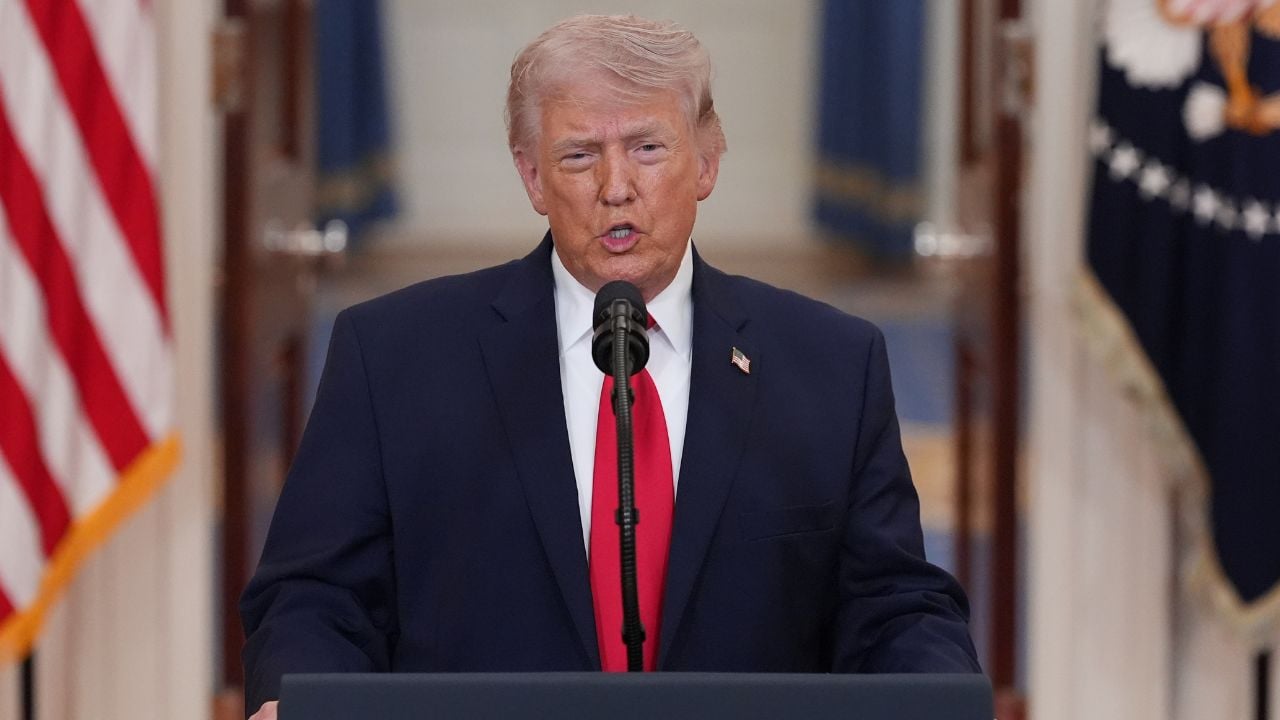
The containment field surrounding the White House Correspondents’ Dinner dissolved on Saturday night when a 31-year-old suspect, allegedly carrying a lethal arsenal of firearms and blades, managed to breach the high-security perimeter and open fire. The incident forced the immediate evacuation of President Donald Trump and sent the nation’s political and media elite into a state of chaotic survivalism. Beyond the immediate shock of the gunfire, this event exposes a systemic rot in the security protocols meant to protect the highest levels of government. It wasn't just a lapse. It was a complete breakdown of the layered defense strategy that the Secret Service has relied upon for decades.
The Illusion of the Hardened Perimeter
For years, the Washington Hilton has been treated as a fortress during the annual dinner. Magnetic sensors, canine units, and plainclothes agents create a facade of total control. However, the reality on the ground proved far more porous. The suspect didn't just stumble into the venue; he navigated the logistical gaps that exist between local police jurisdiction and federal protection zones.
Investigations into the breach suggest the suspect exploited a "seam" in the outer perimeter. These seams are the transition points where Metropolitan Police hand off responsibility to federal agents. In the chaos of a high-profile event with thousands of attendees, these hand-off points become the weakest links in the chain. The suspect entered a restricted zone while armed, suggesting that the much-vaunted screening process failed at the most basic level of detection.
The presence of multiple weapons—both guns and knives—indicates a premeditated intent to inflict mass casualties. It also points to a failure in pre-event intelligence. Modern threat assessment usually identifies high-risk individuals through digital footprints or behavioral red flags long before they reach a sidewalk in D.C. In this case, the system remained silent until the first shots rang out.
Secret Service Under the Microscope
The agency is already reeling from years of budget constraints and personnel shortages. This latest failure will likely be the breaking point for a department that prides itself on being "invisible and invincible." When the shooting began, the immediate priority was the "snatch and grab" evacuation of the former President. While that specific protocol worked as intended, the fact that such a maneuver was necessary inside what should have been the most secure room in the world is a damning indictment.
Protecting a former president who is also an active candidate creates a logistical nightmare. The footprint is larger, the crowds are more volatile, and the threat profile is constantly shifting. Resources are being stretched thin across multiple locations, often leaving "low-priority" events like dinners under-staffed.
The Technological Gap
We are seeing a dangerous divergence between the tools used by attackers and the sensors used by defenders. While the Secret Service utilizes advanced ballistics tracking and surveillance, their reliance on physical checkpoints is becoming an outdated philosophy. Modern threats are increasingly mobile and capable of bypassing traditional metal detectors through various means of concealment or by exploiting the sheer volume of "soft" targets surrounding a secure site.
The suspect in this case managed to blend into the logistical flurry of the event. Whether he posed as a vendor, a member of the press, or simply found an unmonitored service entrance, the result is the same. The hardware failed because the human strategy was flawed.
The Psychological Impact on the Beltway
The White House Correspondents’ Dinner is often criticized as a "nerd prom," a night of self-congratulation for the media and political class. That levity is gone. The atmosphere has shifted from celebration to genuine fear. If a gunman can reach the inner circle of American power, no one is safe.
This event will fundamentally change how public appearances are managed for the remainder of the election cycle. We should expect to see fewer ballroom events and more controlled, isolated environments. The "openness" of American democracy is being traded for the safety of a bunker. This isn't just a security concern; it's a shift in the very nature of political engagement in the United States.
Analyzing the Response Tactics
Witness accounts describe a scene of pure adrenaline and confusion. The response time of the counter-sniper teams and the tactical units was measured in seconds, but in an active shooter scenario, seconds are an eternity. The suspect was neutralized and taken into custody, yet the damage to the reputation of the protective detail is permanent.
Questions remain regarding the suspect's background and how he acquired the weapons found at the scene. Initial reports suggest a history of grievances that should have placed him on a federal watch list. If he was already known to authorities, the failure becomes an administrative disaster rather than just a tactical one. The "why" matters, but the "how" is what keeps security experts awake at night.
The New Reality of Political Violence
We are living through an era where the threshold for political violence has dropped significantly. The rhetoric of the modern age acts as an accelerant, and the physical security measures have not evolved to match the speed of radicalization.
The Secret Service must now account for the "lone wolf" who doesn't follow a predictable pattern. These individuals don't always use sophisticated means; they simply use the most effective means available to them at the time. A knife is as deadly as a bullet in a crowded room. A 31-year-old man with a bag full of weapons managed to prove that the most expensive security detail in the world can be bypassed by a single determined person.
The focus must shift toward predictive analysis and a total overhaul of venue security. The traditional model of "guarding the door" is dead. If the agencies responsible for the safety of the nation's leaders cannot secure a hotel ballroom, they cannot hope to secure a nation that is increasingly divided and on edge.
Federal oversight committees are already drafting subpoenas. The Director of the Secret Service will face a grueling line of questioning in the coming weeks. They will be asked to explain how a man with a small arsenal stood within firing range of a former President. They will be asked why the perimeter was breached. They will be asked if they can guarantee it won't happen again.
The honest answer is that they cannot.
Security is a game of mitigation, not elimination. However, when the mitigation fails this spectacularly, the entire structure needs to be torn down and rebuilt from the ground up. The Washington Hilton shooting isn't just a headline; it is a warning. The next breach might not end with an arrest. It might end with a national tragedy that changes the course of history forever.
The suspect is currently being held without bond. The charges are piling up. But for the people who were in that room, the sound of the gunshots will linger much longer than the legal proceedings. The era of the "safe" political event has ended, replaced by a permanent state of high-alert anxiety.