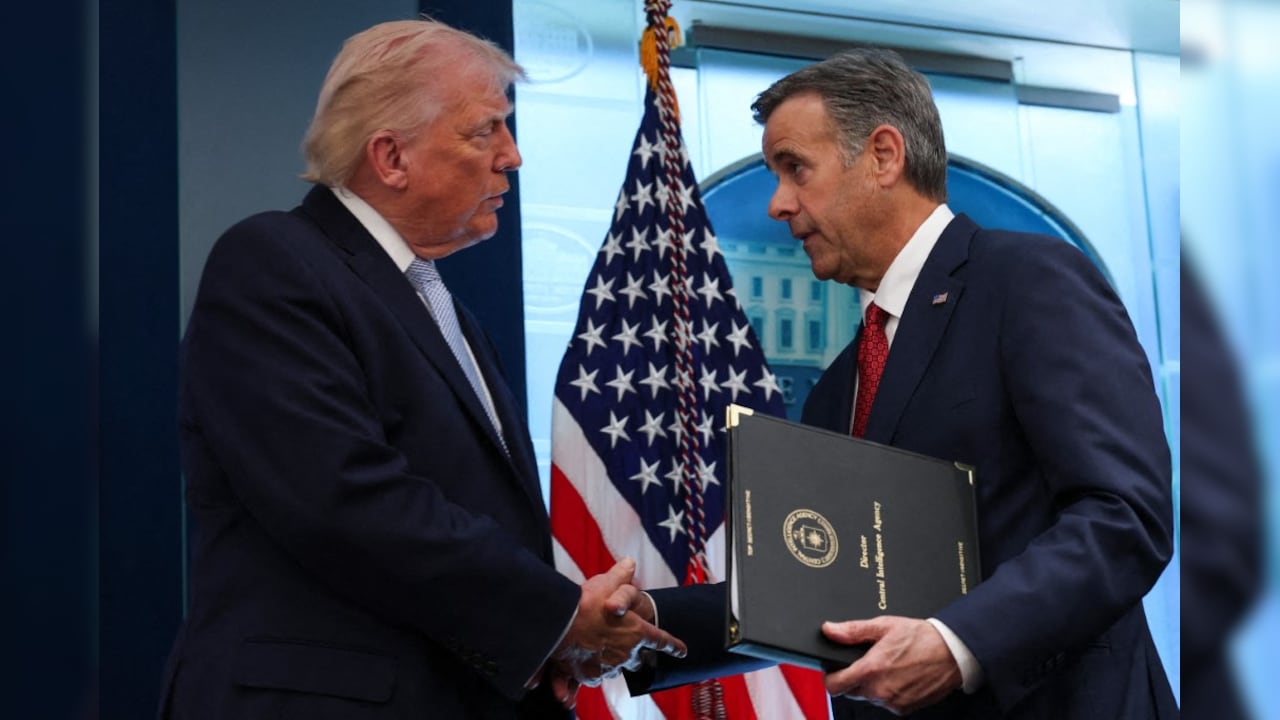
Every mainstream headline breathlessly framed the clandestine trip by the Director of the Central Intelligence Agency to Moscow as a pulse-pounding spy thriller ripped straight from the Cold War archive. Pundits hyperventilated about backchannel diplomacy, rogue operators flying under the radar, and a cabinet kept aggressively in the dark. It makes for fantastic cable news chyrons and terrible strategic analysis.
The lazy consensus claims this secret mission proved Washington operated through clandestine palace coups and shadow brokers while traditional diplomats twiddled their thumbs. I have spent decades watching foreign policy playbooks get written, shredded, and rewritten in smoke-filled backrooms. I have seen administrations blow millions on performative theater while the real work happens through quiet, mundane channels. This wasn't a cloak-and-dagger masterstroke. It was standard bureaucratic plumbing packaged as high-stakes drama to feed an audience addicted to cinematic politics.
Let us dismantle the mythology brick by brick.
The Myth Of The Invisible Operative
The prevailing narrative insists that sending the head of American intelligence to the Russian capital without public fanfare bypassed a broken State Department.
That premise relies on a fundamental misunderstanding of how modern statecraft functions. Intelligence agencies do not exist outside the apparatus of foreign policy; they are its most specialized mechanic. When conventional diplomatic channels choke on their own rhetoric, you send the people whose job description involves talking to adversaries without the cameras rolling.
Calling this trip unprecedented ignores a century of continuous shadow communication. Every major power maintains backchannels precisely because public diplomacy is performative trash designed for domestic consumption. When the White House dispatched its top spy, they were not inventing a new wheel. They were turning an old, rusty bolt that has been manipulated by every administration since Eisenhower.
The shock expressed by high-ranking officials outside the inner circle was largely manufactured for effect. In a government bloated by leaks and performative outrage, keeping a flight manifest quiet is less about operational security and more about protecting fragile political egos from feeling left out of the loop.
Why Secret Backchannels Actually Fail
We romanticize the spy meeting the spymaster in a dimly lit room, cutting deals that alter the map. Real life is far more tedious and, ultimately, less effective.
Imagine a scenario where two opposing heavyweights sit across a mahogany table in a secure bunker, exchanging warnings about troop buildups and cyber attacks. Sounds dramatic, right? Now look at the math. A secret meeting lacks institutional accountability. When deals are brokered in the dark by intelligence chiefs rather than confirmed diplomats, they carry zero domestic staying power.
The moment a political wind shifts, either side can disavow the conversation because no congressional record or treaty framework binds them.
Relying on clandestine visits instead of transparent, albeit painful, institutional negotiation creates a dangerous vacuum. It rewards secrecy over strategy. It tells foreign capitals that American policy can be bypassed if you just know which spook to call after midnight. That is not strength. That is structural decay disguised as agility.
The Real Agenda Behind The Leak
If the mission was meant to stay secret, why do we know every minute detail of how it went down?
Simple. The leak was the mission.
Governments do not accidentally let slip that their chief intelligence officer flew into hostile territory unless someone in the chain of command wanted Moscow to know the White House was paying attention, or wanted domestic critics to think the administration was acting tough behind the scenes. It was a calculated signal wrapped in an aura of mystery.
When you strip away the dramatic framing, the trip was damage control. It was an attempt to calibrate deterrence after intelligence lines got crossed. Intelligence chiefs are sent when deterrence is fraying, not when peace is being forged. They go to look the enemy in the eye and map out the red lines so neither side sleepwalks into a catastrophic escalation.
Stop treating espionage as a movie franchise. It is risk management for empires in decline.
The next time an anonymous source whispers about a secret diplomatic safari, ask yourself who benefits from you believing that democracy only survives in the shadows. The answer will tell you everything you need to know about why the trip happened in the light of day, no matter how dark the room was painted.
Stop looking for spies under the bed. Look at the balance sheets of incompetence.