Cruise lines love to sell you the illusion of a floating, worry-free paradise. You step onto a massive vessel, hand over your boarding pass, and enter a sanitized bubble where nothing bad is ever supposed to happen. But underneath the glittering atrium lights and endless buffets, the ocean remains entirely indifferent to human safety. When a passenger goes overboard, the reality of maritime isolation hits with brutal force.
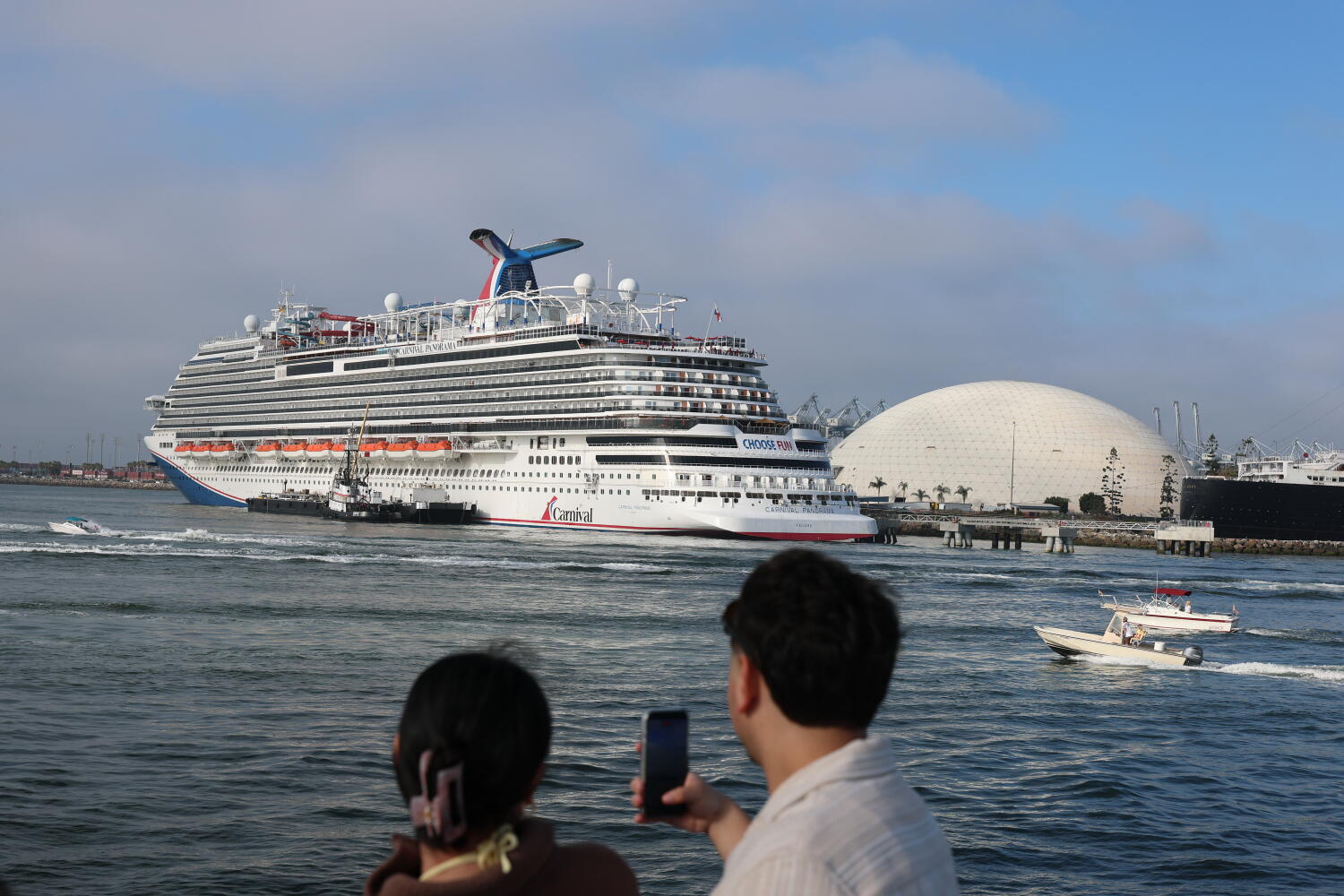
Recent headlines about Carnival cruise passengers vanishing into the dark sea after ship cameras capture the terrifying plunge highlight a terrifying maritime reality. People think cruise ships are locked-down fortresses. They aren't. They're floating cities operating in international waters with very few safety nets when things go wrong. Meanwhile, you can find similar developments here: The Invisible Thread Holding the Sky Together.
The Brutal Physics of Going Overboard
Let's clear up a dangerous misconception right away. People watch movies and assume falling off a ship into the water is survivable if you are a good swimmer. It rarely is.
Modern cruise ships stand remarkably tall. The distance from a typical balcony down to the water line ranges from fifty to over a hundred feet. Striking water from that height at a ship's cruising speed feels less like diving into a pool and more like slamming into concrete. Bones shatter. Organs rupture. Even if a passenger survives the initial impact conscious, the sheer momentum of the moving vessel creates a massive suction zone right beneath the hull. To see the complete picture, check out the recent analysis by The Points Guy.
Then comes the wake. A massive cruise ship churns thousands of gallons of water per second through its propellers. Anyone falling near the stern faces immediate danger from the churning machinery. If you somehow clear the propellers, you are now alone in the middle of a vast, pitch-black ocean while a ship weighing over one hundred thousand tons continues moving at twenty knots.
By the time the bridge crew notices someone is missing—which can take hours if nobody witnessed the fall—the ship is miles away from the actual point of impact.
How Modern Cruise Ships Track Overboard Incidents
For years, cruise lines claimed that detecting an overboard person in real-time was practically impossible. They argued that cameras couldn't cover every square inch of the ship and that automated sensors triggered too many false alarms from birds or sea spray.
That excuse is wearing thin. Modern technology has evolved rapidly. Many cruise vessels now deploy automated overboard detection systems. These systems use a combination of radar, thermal imaging cameras, and optical sensors to monitor the ship's perimeter twenty-four hours a day. When an object the size of a human body breaks the plane of the railing and drops into the water, the software sounds an immediate alarm on the bridge.
The introduction of these systems changes the legal and operational landscape for cruise operators. When a ship lacks detection tech, crew members often rely entirely on eyewitness reports or CCTV footage reviewed long after the fact. By the time a passenger reports someone missing, the trail is cold. Automated detection buys crucial minutes, though turning a massive cruise ship around in the open ocean still takes considerable time. A ship moving at high speed needs miles of open water just to execute a safe U-turn.
The Grim Reality of Search and Rescue Operations
When the bridge alarm finally sounds, a complex maritime protocol swings into action. The captain initiates a man-overboard maneuver, turning the ship hard to stay as close to the incident zone as possible. The crew launches rescue boats if weather conditions permit. Coast guard units or local maritime authorities get notified via satellite communication.
Yet the success rate for these rescues remains tragically low. Finding a single human head bobbing in rolling ocean waves at night is like looking for a grain of sand on a desert highway. Water temperature dictates survival time. In cold northern waters, hypothermia sets in within minutes, rendering a person unconscious long before rescue teams can sweep the area. Even in warm Caribbean waters, exhaustion and panic take a heavy toll.
Cruise lines face intense scrutiny during these moments. Investigators board the ship at the next port of call, seizing hard drives, interviewing cabinmates, and examining security footage frame by frame. Families are left dealing with unimaginable grief while navigating complex international maritime laws that heavily favor corporate cruise operators over individual passengers.
Staying Safe While at Sea
You don't need to live in fear every time you book a vacation, but you do need common sense. The vast majority of overboard incidents share common contributing factors: excessive alcohol consumption, horseplay near high railings, or emotional distress.
If you or someone you know is struggling with mental health while on vacation, help is available. Cruise ships employ trained security and medical staff, and satellite communication allows access to shore-based crisis resources. Never sit on balcony railings, never climb partitions between cabins, and keep a wide berth from open deck edges when the weather turns rough and decks become slick with sea spray.
Cruising offers an incredible way to see the world, but it requires respecting the raw power of the ocean. A cruise ship is a magnificent piece of engineering, but it is not a magic bubble protecting you from the laws of physics. Keep your wits about you, stay away from the edges after dark, and treat the open sea with the respect it demands.