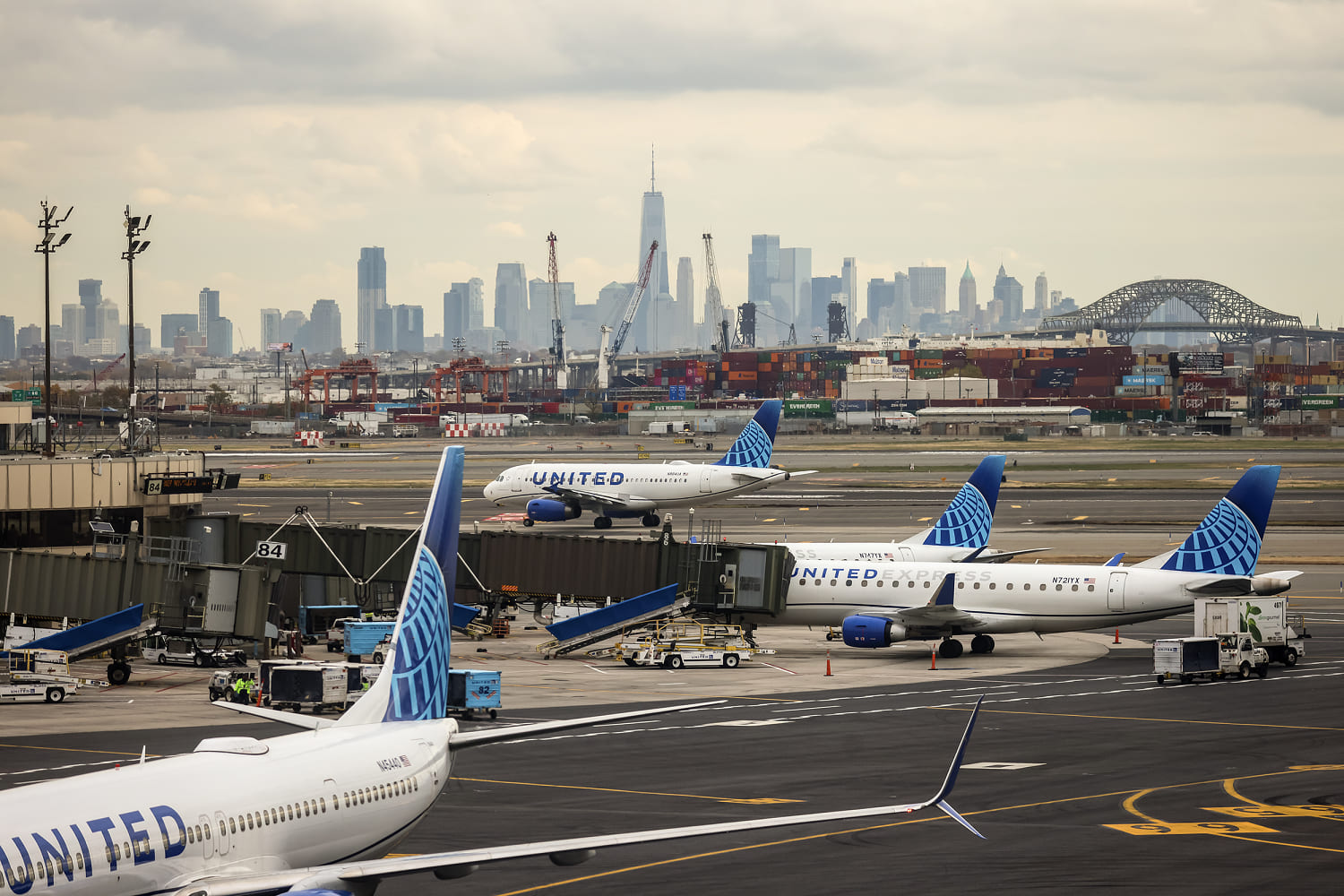
Every time the Federal Aviation Administration slaps a ground stop on Newark, Philadelphia, or Teterboro, the media treats it like an act of God. Weather rolls in, traffic surges, and the system buckles. We nod along to the press releases, accept the cascading delays, and rebook our flights while muttering about bad luck.
It is a comforting illusion. In similar updates, take a look at: The Sky Shatters Over Tokyo And Silence Claims The Station.
The lazy consensus is that air traffic control is simply overwhelmed by volume and battered by Mother Nature. That narrative is a convenient shield for an infrastructure model designed in the middle of the last century. Ground stops are not unavoidable weather events. They are the predictable symptom of an antiquated operational philosophy that prioritizes bureaucratic control over market reality.
When you dig into the mechanics of slot controls, staffing deficits, and carrier scheduling habits, a darker picture emerges. The major airlines do not want a fixed system. They profit from the friction. Lonely Planet has analyzed this critical subject in great detail.
The Myth of the Uncontrollable Sky
Let us dismantle the core premise peddled by airline executives and regulators alike: that airspace congestion is an unpredictable natural disaster.
It is not. It is a manufactured bottleneck.
Take a look at how schedule banks operate at hubs like Newark Liberty International. Carriers pack departures and arrivals into tight clusters to feed their connecting banks. When three major carriers schedule simultaneous pushes into the same asphalt, they exceed the physical capacity of the runways even on a clear blue-sky day. Add a whisper of wind shear or a localized thunderstorm, and the entire house of cards collapses.
The FAA issues a ground stop not because the airspace is physically emptyable, but because the control towers lack the automated tools to sequence high-density traffic efficiently. Instead of upgrading the backend, the default reflex is to pull the emergency brake upstream.
I have watched logistics operations in other sectors handle vastly higher throughput with predictive algorithms that make aviation look like a carrier pigeon operation. Imagine a shipping port where the management strategy for a backup was to lock the gates three states away. That is what a ground stop at Teterboro or Philadelphia means for a business traveler waiting in Chicago. It is lazy, blunt-force management.
Why Carriers Love the Chaos
Here is the dirty secret nobody in the corporate boardroom wants to admit: airlines benefit from structural inefficiency.
When the FAA orders a ground stop, passengers absorb the immediate operational friction. Compensation rules in the United States remain weak compared to European frameworks, leaving travelers stranded on their own dime or fighting for meal vouchers that cover a lukewarm sandwich. Meanwhile, carriers shift crews, reposition aircraft, and cancel marginal flights to protect their high-yield trunk routes.
Systemic vulnerability creates a high barrier to entry. Smaller regional airlines and low-cost competitors get squeezed out when slot constraints tighten and delay penalties mount. The legacy carriers use their balance sheets to absorb the operational shock, effectively turning FAA ground stops into an unintended regulatory moat.
If you want to understand why airfares remain stubbornly high despite endless headlines about delays, look right here. Reliability has a cost, and the industry has calculated that it is cheaper to apologize than to invest in true operational resilience.
The Human Cost of Outdated Technology
Let us talk about the infrastructure itself. We are running a trillion-dollar global transit network on software architecture that belongs in a museum.
Air traffic controllers are working mandatory six-day weeks, staring at radar displays that rely on vintage processing logic while managing traffic loads that have doubled over the past two decades. When staffing crunches hit regional towers in the Northeast corridor, a ground stop becomes the only legal way to keep safety margins intact.
Blaming the controllers is a coward’s game. The blame lies squarely on decades of congressional foot-dragging, procurement corruption, and a complete lack of accountability in modernization programs like NextGen. Billions vanish into contractor pockets while controllers still use paper flight strips in major facilities.
When Philadelphia or Newark goes dark, it is not because aviation has reached its physical limit. It is because our political apparatus refuses to fund the digital transformation required to keep pace with modern demand.
What Actually Needs to Happen
Fixing this mess requires discarding the polite fiction that incremental tweaks will save the system. We need radical structural surgery.
First, tie landing fees directly to on-time performance and schedule adherence. If a carrier schedules more flights than a runway can physically handle during a peak hour, hit them with punitive congestion pricing that makes predatory scheduling economically unviable. Force airlines to pay the true cost of their peak-hour vanity schedules.
Second, decouple air traffic control funding from the federal budget cycle. Subjecting critical safety infrastructure to partisan government shutdowns and recurring budget fights is an existential threat to national mobility. Move to an independent, self-funded corporate governance model similar to successful European air navigation service providers.
Third, empower passengers with real, enforceable financial liabilities for carriers when ground stops are caused by internal scheduling failures rather than severe weather. Nothing concentrates a CEO's mind quite like automated cash penalties hitting the bottom line for every minute of avoidable delay.
The Uncomfortable Truth
The next time you sit stranded on a tarmac in Newark watching your connection evaporate, do not just blame the weather. Blame a system that has chosen stagnation over innovation because the current breakdown serves the powerful just fine.
You can keep waiting for the skies to clear. Or you can accept that the storm is coming from inside the building.