Most people assume that walking into a courtroom without a licensed attorney is professional suicide. You are expected to get eaten alive by procedural rules, objections, and legal jargon. Yet, a Massachusetts couple managed to shatter that expectation entirely. They represented themselves in a bitter property clash against a neighbor and walked away with a staggering $310,000 judgment that later survived an appeals court review.
Property lines bring out the absolute worst in people. When a dispute starts over encroaching property and damaged trees, things usually spiral into a financial black hole. Legal fees mount faster than court-ordered damages, often leaving both parties broke. This case proves that understanding state statute rules and sticking to hard evidence can sometimes beat a high-priced attorney.
The Anatomy of a Property War
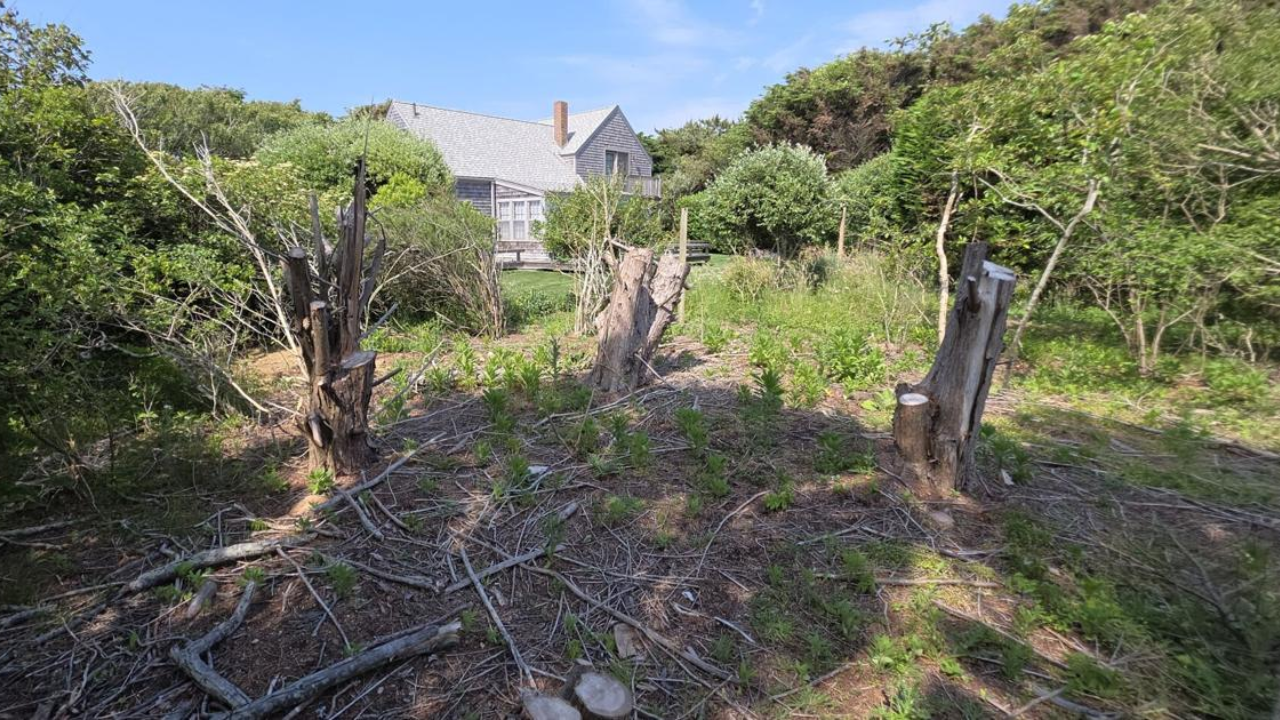
The legal battle centered on classic neighborhood flashpoints. David and Lori Baillargeon found themselves at war with their neighbor, Matthew Lennon. The core issues involved physical encroachments onto their land and extensive damage to mature trees via unauthorized chainsaw work.
Property law sounds dry on paper, but it turns vicious in practice. Trees standing directly on or near boundary lines carry immense legal weight. When someone chops down or damages timber on another person's property without permission, state statutes do not just look at the wholesale market value of the wood. They often punish the offender heavily.
The Baillargeons chose to handle the litigation themselves. They gathered their own documentation, presented their own testimony, and faced off against their neighbor in court without professional legal counsel.
How the Math Hit Three Hundred Thousand
A standard property damage claim usually covers the basic cost of repair or replacement. This case went much further because of a specific statutory mechanism built into Massachusetts law regarding timber trespass.
Under Massachusetts General Laws Chapter 242, Section 7, destroying or cutting trees on another person's land intentionally and without legal justification triggers mandatory treble damages. The court multiplies the assessed harm by three.
At trial, the jury evaluated the evidence and concluded that Lennon had indeed damaged the couple's trees and encroached on their land. The baseline tree damage was assessed at $100,000, which the court automatically trebled. Add another $10,000 specifically for the land encroachment, and the total initial judgment skyrocketed to $310,000.
Representing yourself does not mean the rules bend in your favor. The Baillargeons had to prove every element of the trespass and establish a clear link to the neighbor's actions. They survived a trial court jury and a subsequent appeal because they stayed anchored to objective proof.
Why Most People Should Think Twice Before Going Pro Se
Let's be clear. Winning a pro se case of this magnitude is an extreme statistical outlier. Most self-represented litigants crash and burn because they misunderstand rules of evidence or miss critical procedural deadlines.
Courts do not give amateurs a pass on civil procedure just because they lack a law degree. You must present admissible evidence, lay proper foundations for photographs, and cross-examine witnesses within strict courtroom boundaries. The Baillargeons succeeded because they focused on hard, irrefutable evidence—such as photographs and direct testimony about the chainsaw incidents—rather than emotional arguments.
When Lennon finally appealed the verdict, he did so with the backing of defense counsel. Even with professional lawyers trying to dismantle the verdict on appeal, the state appeals court upheld the original judgment because the couple had managed to establish a solid evidentiary foundation at trial.
Protecting Your Land Boundaries
Neighbor disputes rarely end with a neat handshake. If you find yourself staring down a boundary violation or property damage, take immediate steps to protect your interests long before a lawsuit crosses your mind.
Hire a licensed surveyor immediately if you suspect an encroachment. Do not rely on old fences, tree lines, or neighborly agreements. Document every single interaction with clear, dated photographs and written logs. If trees are damaged, get a certified arborist to appraise the value right away. Statutory multipliers only work if you can prove the exact financial scale of the loss in a courtroom setting.
Most property feuds cost far more than the land itself is worth. This Massachusetts case is a rare masterclass in self-representation, but it is also a harsh reminder that property lines demand absolute vigilance. Know your local statutes, keep your records airtight, and never assume common sense will rule the day when a neighbor starts cutting down your trees.