:max_bytes(150000):strip_icc()/rs-what-to-buy-for-fall-fashion-tout-db1b6d85b27a4ab28fa7bca9f67104af.jpg)
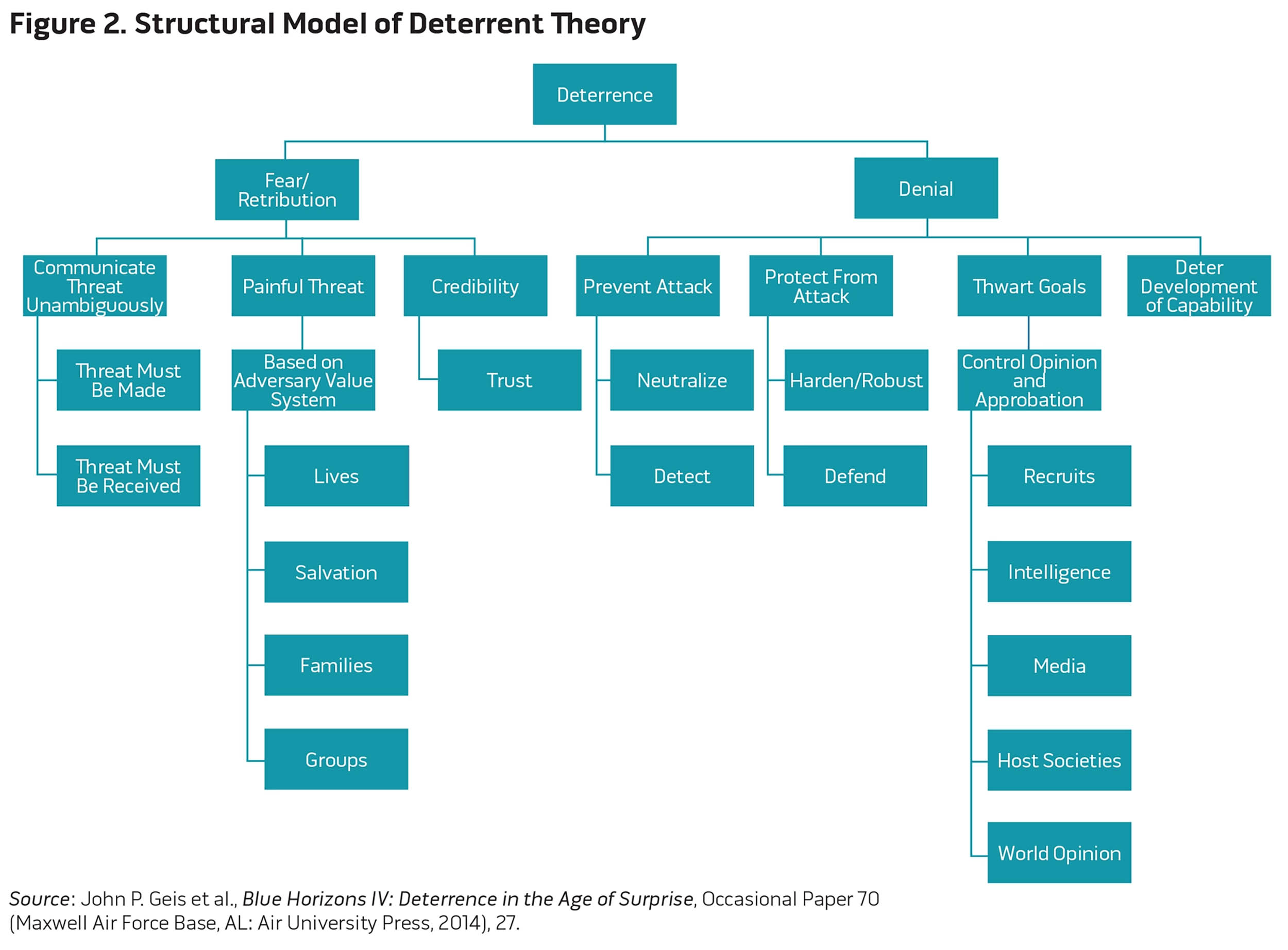
The signing of the Mecca Joint Defence Agreement between Saudi Arabia, Türkiye, and Pakistan represents a structural evolution in West Asian security architecture rather than a mere diplomatic communiqué. By establishing that an armed attack against any single signatory constitutes an assault on all three, the participating states have formalized a burden-sharing mechanism that alters traditional security dependencies. Washington's official welcoming of the pact reflects an underlying strategic calculation: offloading localized containment duties permits the United States to concentrate state capacity on primary objectives regarding Iran.
Dissecting this trilateral arrangement requires evaluating the comparative advantages each member contributes to the collective defense function. Saudi Arabia provides the capital allocation framework through sovereign financial resources, Türkiye supplies defense manufacturing capabilities and industrial technology, and Pakistan introduces force projection capacity and conventional military personnel. This division of labor creates an endogenous security supply chain that operates independently of direct Western military intervention, reducing the fiscal and political exposure of external actors.
A critical friction point within this architecture involves threat prioritization divergence. While international intelligence frameworks and major powers concentrate predominantly on state-level nuclear developments and maritime transit chokepoints, Riyadh faces immediate operational disruptions from localized non-state actors, specifically Houthi operations impacting commercial transit and energy infrastructure near the Bab-el-Mandeb strait. Past bilateral security memoranda between regional actors failed to fully neutralize these asymmetrical threats, exposing the limitations of multilateral pacts when confronted with decentralized insurgency tactics. Consequently, the utility of the Mecca Agreement depends on whether its joint command structures can operationalize effective defense against irregular warfare, rather than solely deterring conventional state aggression.
From Washington's perspective, endorsing the trilateral defense pact aligns with a broader doctrine of retrenchment and resource optimization. Managing simultaneous commitments across multiple theaters strains defense logistics and fiscal budgets. By encouraging regional states to institutionalize collective self-defense, the United States minimizes its direct security guarantee obligations without abandoning regional positioning. This dynamic allows American policymakers to concentrate strategic assets on high-priority containment initiatives against Tehran, secure in the knowledge that secondary regional stability functions are externally financed and managed.
Furthermore, the trilateral alignment intersects with ongoing diplomatic efforts to expand regional integration frameworks, such as the Abraham Accords. Integrating non-Western Islamic states into structured defense partnerships stabilizes the periphery of Israel's strategic environment, mitigating security dilemmas without requiring direct American diplomatic capital for every bilateral reconciliation. Because the agreement imposes zero direct financial or military expenditure on Washington, it functions as a cost-free stabilization mechanism that preserves American hegemony through proxy burden distribution.
Evaluating the long-term viability of the Mecca Agreement necessitates analyzing institutional durability under crisis conditions. Multilateral defense pacts frequently founder when member states face asymmetrical exposure to conflict. If an attack targets only one signatory while leaving others unaffected, the political cost of activation can paralyze joint response mechanisms. The primary test of the alliance will occur during an active security breach where member capitals must weigh the tangible costs of collective military retaliation against the diplomatic ease of inaction.
Strategic planners must monitor how institutional mechanisms manage resource allocation, intelligence sharing, and command authority during active hostilities. If the alliance transitions from a declarative treaty into an operationalized joint command, it will permanently alter the balance of power across the Middle East, replacing imported security guarantees with indigenous regional deterrence.