When Pope Leo XIV stepped up to deliver his Sunday Angelus address in St. Peter's Square, nobody expected a medical bulletin. He didn't look frail. He hadn't canceled a string of public appearances. Yet, the 71-year-old pontiff calmly announced that he would soon head to Rome's Gemelli Hospital to deal with a newly discovered lung nodule.
It is the kind of health scare that instantly stops global attention. But looking closely at how the situation unfolded reveals a masterclass in early detection, pragmatic decision-making, and the unpredictable nature of routine screenings.
The Discovery No One Saw Coming
Most people associate major papal health announcements with emergency hospitalizations or dramatic turnarounds. This situation was entirely different. Pope Leo later shared that the shadow on his lung showed up purely by chance during a routine annual checkup. He had zero symptoms. He felt completely fine.
That detail matters. Medical professionals constantly preach about preventative screenings, yet millions of people skip their annual exams because they feel healthy. When a routine scan catches a localized nodule early, it completely changes the trajectory of treatment.
Rather than waiting or hiding behind vague Vatican statements, the pontiff laid it out plainly. The doctors recommended intervention, and he chose to follow their advice.
Inside the Gemelli Hospital Procedure
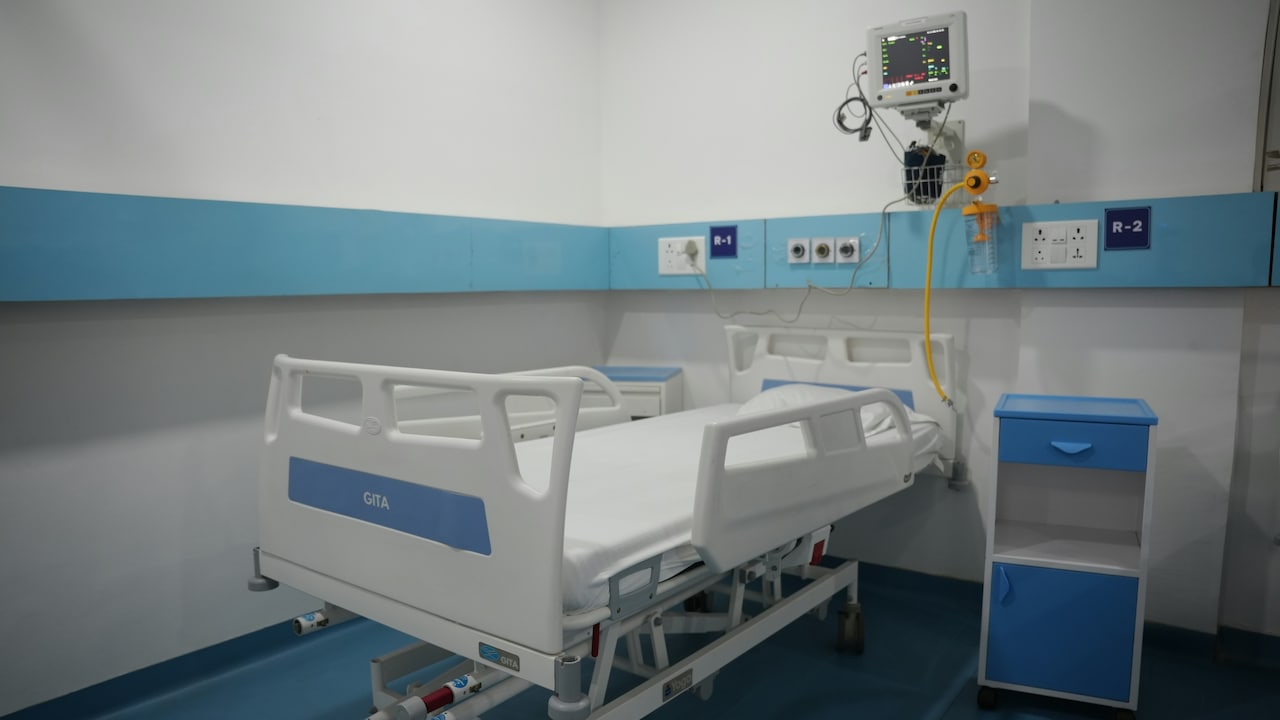
The operation at Gemelli University Hospital—a facility intimately familiar with papal care from the decades of St. John Paul II and Pope Francis—quickly moved from a localized nodule removal to a more definitive diagnosis. Subsequent medical bulletins confirmed that the surgery involved removing the lower lobe of the pope's right lung after histopathological tests identified lung adenocarcinoma.
While hearing the word "cancer" automatically triggers panic for most families, the medical reality of early-stage, localized lung cancer is vastly different from advanced diagnoses. Thoracic specialists often emphasize that discovering
Why the Pope Leo XIV Lung Surgery Announcement Changes Everything About Vatican Health Transparency
news
Medical bulletins out of Vatican City don't usually shake global markets or spark emergency editorial meetings, but the recent discovery of a lung nodule requiring immediate surgical intervention for Pope Leo XIV has changed the entire conversation. You're looking at a moment where papal health reporting meets intense public scrutiny. When details broke about the nodule, internet speculation exploded instantly. People want to know what this means for the global Catholic Church, how long the recovery will take, and whether the Vatican is finally changing its historical habit of hiding medical realities behind vague statements.
Let's address what actually matters right now. A lung nodule isn't automatically a death sentence or a catastrophic crisis, but at the highest office of the Church, every medical chart becomes a geopolitical document. Surgeons will need to extract the nodule, analyze the tissue, and determine the exact pathology. That process takes days, and during that window, anxiety inside and outside the walls of Vatican City tends to spike.
Moving Past Historical Medical Secrecy in the Vatican
For centuries, papal ailments were handled with a level of secrecy that would give modern public relations teams a heart attack. Remember the days of hushed whispers and mysterious fevers? Popes like John Paul II faced immense health battles while the press office tried to maintain an aura of absolute invincibility. It didn't work then, and it definitely won't work now.
We live in an era where transparency isn't just nice to have—it's mandatory for institutional trust. If the medical team handling Pope Leo XIV didn't release clear details about the nodule discovery, conspiracy theories would fill the vacuum within hours. Honesty about pulmonary procedures, expected downtime, and anesthesia risks builds confidence. The Vatican press office knows this. They're dealing with a global audience that demands facts, not medieval mystery.
Lung surgery on an aging pontiff carries real clinical weight. Even with minimally invasive thoracoscopic techniques—which modern thoracic surgeons use whenever possible to reduce recovery time and post-operative pain—any procedure involving the chest cavity requires serious rehabilitation. Breathing exercises, physical therapy, and strict limitations on public appearances are standard protocol. You can't just wave to St. Peter's Square with a healing incision and expect zero consequences.
What the Procedure Actually Entails
Let's break down the medical reality without the sensationalism. A pulmonary nodule is basically a small spot on the lung. Doctors find them all the time during routine scans. Most are benign, stemming from old infections or benign scar tissue. Some require biopsy or removal to rule out malignancy.
When a patient of Pope Leo XIV's age and high-stress occupation faces this, the medical staff doesn't take half-measures. They remove the tissue for immediate pathology examination while the patient is still on the table.
- Pre-operative clearance tests check cardiac function and overall respiratory reserve.
- General anesthesia poses unique considerations for older adults, making post-op monitoring critical.
- Hospital stays for wedge resections or similar thoracic interventions usually span several days, followed by weeks of outpatient breathing therapy.
Recovery won't happen overnight. The Vatican will likely experience a significant slowdown in audience schedules and international travel plans. That's not a sign of weakness; it's basic biology.
The Geopolitical Impact of a Papal Recovery Period
When a pope steps back for medical reasons, the administrative machinery of the Holy See shifts gears. Vatican departments keep running, but major policy decisions, encyclical releases, and diplomatic appointments often pause until the pontiff returns to full strength.
Curial officials are already managing schedules to accommodate a quieter few weeks. Critics often underestimate how physically demanding the papacy is. It's a 24/7 role involving endless receptions, grueling travel itineraries, and intense emotional labor. A forced pause due to lung surgery might actually give the administration a chance to breathe, reset, and evaluate ongoing reforms away from the relentless flashbulbs of the global media.
If you're following this story closely, stop looking for hidden agendas. Look at the timeline of thoracic recovery, watch for updates from the official medical bulletin, and remember that even world leaders are human beings subject to the same biological frailties as the rest of us. The true test of this moment isn't just the success of the scalpel; it's how openly the Vatican communicates every step of the healing process. Keep your eyes on the official medical bulletins, ignore the viral rumors, and expect a measured, cautious return to public life once the surgical team clears the way.