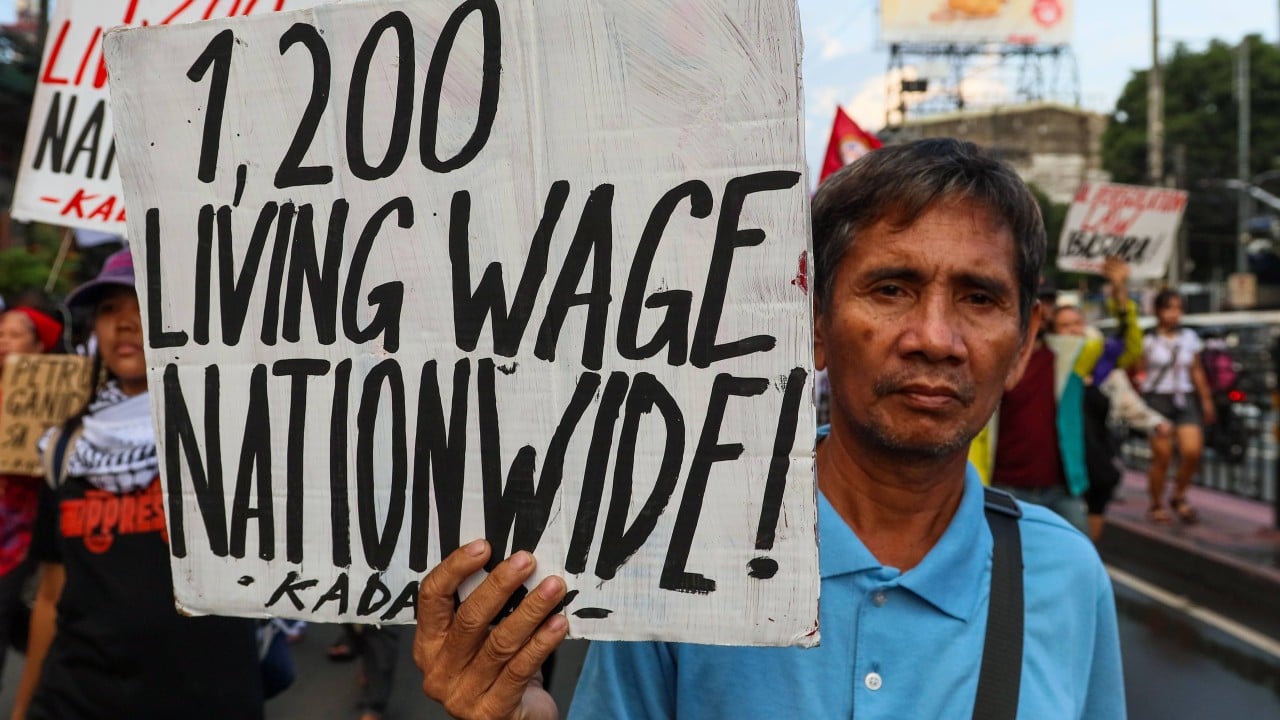
You see them everywhere choking Manila traffic. Those colorful, diesel-belching giants crawling through EDSA. For decades, traditional jeepneys carried the weight of the working class. They were cheap, loud, and entirely reliable. But behind the chrome horses and religious dashboards sits a quiet crisis. Drivers are working longer hours for less money. A recent fare hike promised relief. It delivered very little.
The state wants to replace these cultural icons with modern minibuses. On paper, the Public Utility Vehicle Modernization Program looks great. Cleaner air. Safer rides. Organized routes. In reality, it forces working-class operators into massive debt. Buying a modernized unit costs millions of pesos. Most drivers earn barely enough to feed their families today. How do you finance a vehicle that costs more than a house? You don't. You just watch your livelihood slip away.
The Broken Promise of Fare Adjustments
Regulators approved a fare increase to cushion the blow of skyrocketing fuel costs. It sounded reasonable. Bring the minimum fare up by a couple of pesos and drivers breathe easier. The math falls apart instantly on the street.
Fuel prices don't stay still. Diesel costs eat up a massive chunk of daily earnings before a driver even buys lunch. Passengers feel the pinch too. When fares go up, working commuters ride less or walk farther. Jeepney drivers experience this loss immediately. Every peso added to the fare ticket translates to fewer regular riders hopping on during off-peak hours.
The fare adjustment acts like a band-aid on a broken limb. It treats the symptom while ignoring the systemic bleeding.
The Modernization Trap
The core issue isn't just about daily fuel expenses. It is about a forced corporate consolidation. Traditional operators usually own one or two vehicles. They maintain them in backyard garages. They fix them with spare parts and grit.
The modernization mandate requires these independent operators to form cooperatives or corporations. They must pool resources to buy imported electric or Euro 4-compliant minibuses. Many drivers lack formal corporate experience. They struggle to secure bank loans because they have no credit history or collateral.
Cooperative membership sounds cooperative. Often, it turns into a bureaucratic nightmare. Drivers face steep monthly amortization fees. Miss a payment, and the cooperative repossesses the vehicle. You lose your franchise, your livelihood, and your investment overnight.
Where the Money Actually Goes
Subsidies exist. The government offers a paltry equity subsidy to help cushion the multi-million-peso price tag of a modern unit. It covers a tiny fraction of the cost. The rest falls squarely on the shoulders of people who earn pennies.
Interest rates compound the misery. Commercial banks view small transport operators as high-risk clients. The loans come with crushing terms. Operators quickly realize they are working exclusively to pay off interest. They become wage slaves to their own transport cooperatives.
Cultural Loss Versus Economic Survival
Tourists love the jeepney. It features on every postcard. It represents Filipino ingenuity, born from recycled US military jeeps after the Second World War. People talk endlessly about preserving the heritage.
Drivers don't care about heritage when they cannot afford rent. Preservation arguments ring hollow to someone sleeping inside their parked vehicle because commuting home costs too much.
The romanticization of the jeepney hurts the people driving them. Observers focus on the colorful exterior while ignoring the broken transmissions and the exhausted drivers behind the wheel. If you want to save the transport system, you have to save the human beings operating it.
What Actually Needs to Happen
Fixing this mess requires admitting that the current rollout failed.
Governments must provide realistic financial support. That means genuine equity grants, not predatory loans disguised as assistance. Local manufacturing of modular, cheaper alternative vehicles would slash import costs.
Protecting independent operators matters more than forcing rapid corporate consolidation. When you wipe out small operators, you create monopolies. Monopolies never help the riding public.
Until policymakers listen to transport workers instead of transport executives, these drivers remain stuck. Caught between a push for modernization and the grim reality of poverty, they keep driving. They navigate a road designed to push them out.