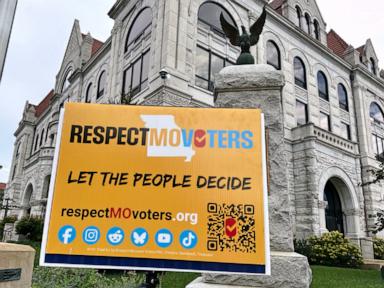
Direct democracy in Missouri faces constant friction between voters and the legislature. When citizens use the ballot box to enact laws, state lawmakers frequently look for ways to alter or undo those decisions. Proposals often emerge to shield voter-approved statutes from legislative interference, sparking intense legal battles over how power is divided in the state.
Courts regularly step in to referee these disputes, often examining whether proposed ballot measures comply with constitutional technicalities. Recent legal challenges highlight how difficult it is to change the rules governing the initiative process itself. If you want to understand how state governance actually works, you have to look past the political rhetoric and examine the strict legal hurdles governing ballot measures.
The Mechanics of Direct Democracy
Missouri allows citizens to propose both constitutional amendments and new statutes through petition signature gathering. Proponents must navigate strict signature thresholds tied to past gubernatorial election results across multiple congressional districts. Once a measure clears those hurdles and wins approval from voters, it becomes part of the state's legal framework.
However, lawmakers retain the power to amend or repeal statutes passed by initiative unless specific constitutional barriers prevent them from doing so. This dynamic creates an ongoing power struggle. Voters feel their intent is being ignored when the General Assembly modifies successful ballot measures, while legislators argue they have the constitutional duty to refine state policy.
Navigating Official Resources
If you are tracking ballot measures, reviewing petitions, or looking for certified information regarding upcoming votes, relying on authorized state channels is essential. You can consult the Missouri Secretary of State Petitions Portal to review active petition filings and official circulation details. For comprehensive context on historical and legal standards governing state initiatives, the Ballotpedia History of Initiative and Referendum in Missouri offers an in-depth breakdown of past outcomes and structural requirements.
Understanding the legal text requires patience. Every petition must adhere to single-subject rules and precise formatting standards outlined in state statutes. When courts reject petitions, it usually comes down to these strict procedural boundaries rather than the underlying political debate. Pay close attention to the actual filings rather than media spin if you want to know what a proposal truly aims to achieve.