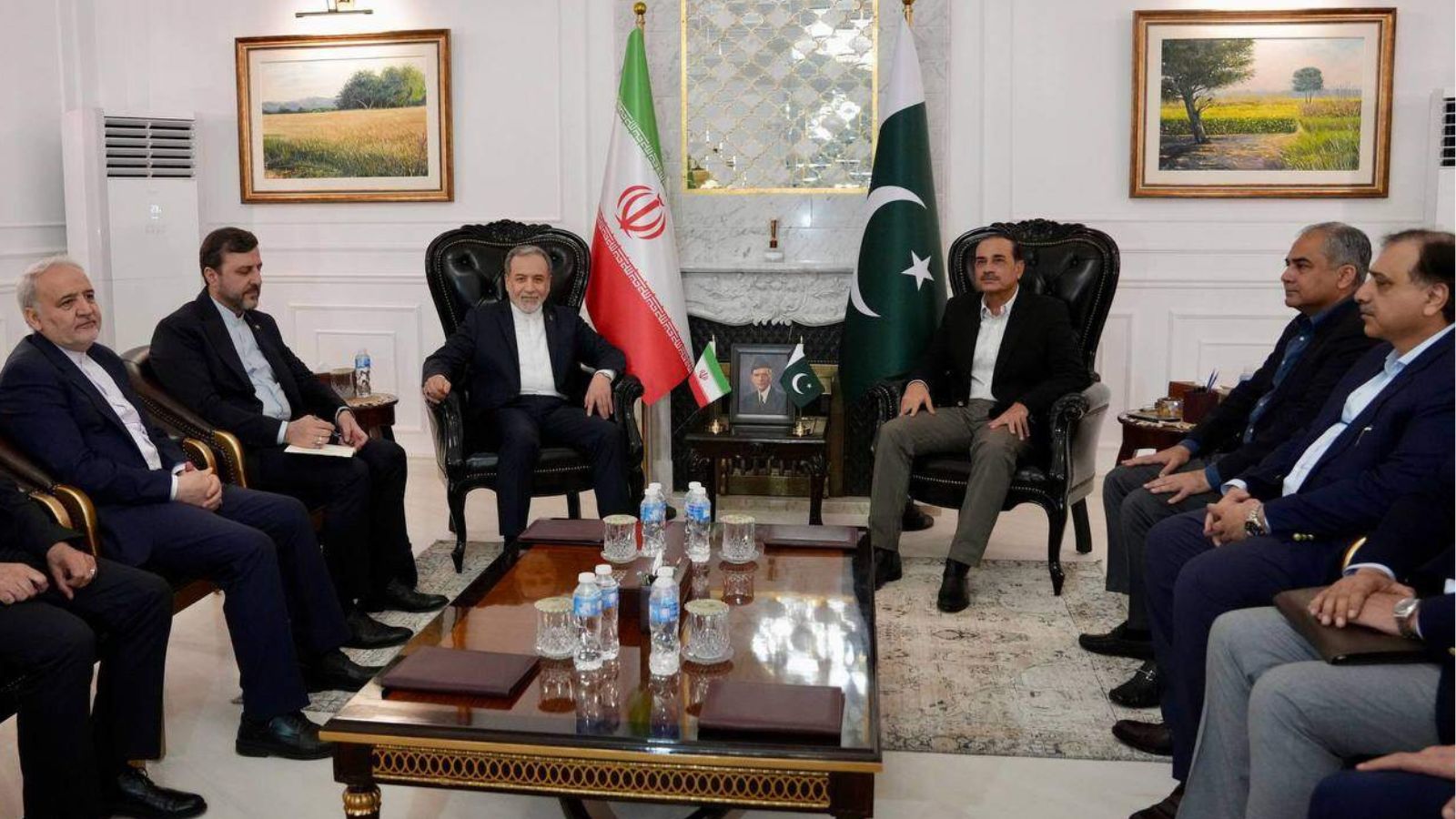
Diplomacy isn't just about showing up with a briefcase and a smile. It's about trust, and right now, Tehran doesn't trust the messenger. While official channels in Islamabad and Tehran exchange pleasantries, a senior Iranian lawmaker, Ebrahim Rezaei, just blew the lid off the polite facade. He basically told the world that Pakistan doesn't have the "credibility" to bridge the gap between Iran and the United States.
The timing couldn't be worse. These comments dropped right as Iranian Foreign Minister Abbas Araghchi was finishing up high-level meetings in Islamabad. You've got the top diplomat trying to build a bridge while a key legislative voice is back home setting it on fire.
The problem with neutral neighbors
On paper, Pakistan looks like the perfect go-between. It shares a massive border with Iran and maintains a decades-long security partnership with the United States. But that's exactly where the friction starts. For Rezaei, the spokesperson for Iran’s National Security and Foreign Policy Commission, Pakistan’s "friendship" isn't the issue. The issue is that Islamabad can't—or won't—stand up to Washington.
Rezaei's critique is blunt. He argues that a mediator has to be impartial. In his view, Pakistan constantly leans toward American interests, specifically those of the Trump administration. He pointed out that Pakistani officials rarely call out the U.S. when it backtracks on commitments. Whether it’s frozen assets or broken promises regarding Lebanon, Tehran feels that Pakistan stays silent just to keep the Americans happy.
A history of failed attempts
This isn't just theoretical griping. We saw this play out in the April 2026 talks in Islamabad. Those sessions lasted 21 hours and ended in a total stalemate. While U.S. Vice President JD Vance was busy thanking Pakistan for its "amazing job" hosting the event, the Iranians were walking away feeling like they'd been lured into a one-sided conversation.
If you're Iran, you're looking for a mediator who will hold the other side's feet to the fire. When Pakistan fails to mention that the U.S. blocked assets or ignored ceasefire terms, they stop being a mediator and start looking like a U.S. spokesperson. That’s a deal-breaker for a country like Iran that’s already paranoid about Western influence.
Why the Islamabad talks hit a wall
The breakdown in these negotiations isn't just about who sits at the table. It's about what’s on the table. Iran is pushing for a new legal framework for the Strait of Hormuz and actual compensation for military actions. They want the maritime restrictions lifted.
The U.S., meanwhile, is sticking to "excessive demands" that Tehran won't touch. When the talks failed, the Americans blamed Iranian leadership for being "confused." Iran countered by saying the atmosphere was thick with mistrust. When the referee (Pakistan) is seen as being on the payroll of one of the teams, nobody's going to accept the final score.
The border tension hangover
We can't forget that just two years ago, Iran and Pakistan were literally trading missile strikes. In January 2024, Iran hit targets in Balochistan, and Pakistan hit back 48 hours later. They patched things up quickly, sure, but those scars don't just vanish.
When you have a history of cross-border "tit-for-tat" military strikes, calling that neighbor an "impartial mediator" is a stretch. It’s hard to trust someone to negotiate your peace when you were recently worried they might start a war with you.
The Trump factor
Rezaei specifically called out how Pakistan accounts for "Trump’s interests." This is a huge pivot. With the U.S. political climate shifting, Iran is hyper-aware of how Islamabad aligns itself with the current administration. If Pakistan is seen as a tool for the Trump administration's "Maximum Pressure" 2.0, Tehran will keep the door locked.
Honestly, the "brotherly relationship" between Iran and Pakistan is mostly talk at this point. They’re neighbors who share a fence and a lot of problems, but when it comes to the high-stakes poker game of nuclear deals and regional security, Iran is looking elsewhere. They want someone like Oman or maybe even a European power—someone who isn't dependent on American military aid.
What happens next
If you're following this, don't expect a breakthrough in Islamabad anytime soon. The Iranian foreign ministry might keep up the optics, but the real power players in Tehran have sent a clear message. Pakistan is a neighbor, a friend, and a trade partner—but it’s not the one that’s going to get Iran and the U.S. to shake hands.
If you're looking for where the real movement will happen, watch Muscat or Doha. Those are the places with the track record and the independence that Tehran actually respects. For now, Pakistan’s role as a mediator is effectively on life support.
Stop looking at the photo ops of generals shaking hands in Islamabad. Start looking at the rhetoric coming out of the Iranian parliament. That’s where the real sentiment lives, and right now, that sentiment is a hard "no" on Pakistan as a middleman.