Headlines scream. Sirens wail. Somewhere, a communications director types the word "unprecedented" for the fourth time before lunch.
Take the standard coverage of Nigeria confirming its first case of Ebola virus disease linked to the Bundibugyo strain. The lazy consensus writes itself. First time in Nigeria. A distinct species of orthoebolavirus. A ticking clock for West Africa. It sounds terrifying. It gets clicks. It also misses almost everything that actually governs whether an outbreak burns out in a single district or cascades across borders.
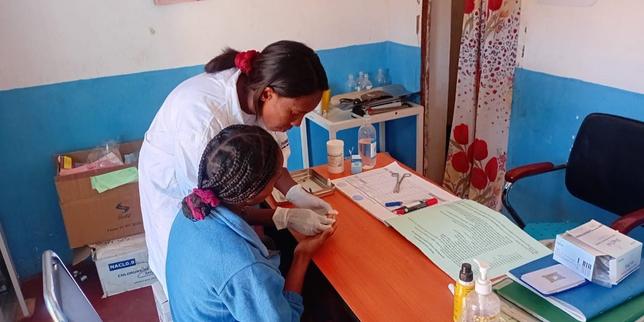
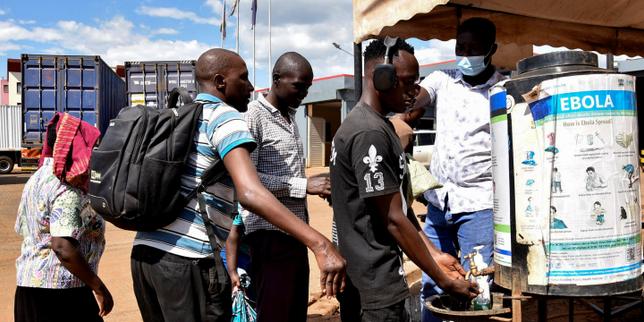
I have spent years watching health systems scramble during infectious disease alerts, often burning millions of dollars on visible theater while starving quiet operational bottlenecks. I have seen governments pour resources into high-visibility airport thermal cameras while clinic triage desks lack basic running water, clean gloves, and clear isolation protocols. That gap between spectacle and execution is where real damage happens.
Let us clear up the terminology right out of the gate. Ebola is not a single monolithic monster. Within the Orthoebolavirus genus (historically referred to as ebolaviruses), several distinct species exist, including Orthoebolavirus zairense (Zaire ebolavirus), Orthoebolavirus sudanense (Sudan ebolavirus), and Orthoebolavirus bundibugyoense (Bundibugyo ebolavirus). Bundibugyo was first identified during a 2007 outbreak in western Uganda, and historically its case fatality rates in documented outbreaks have generally run lower than those reported for Zaire ebolavirus, though still severe and dangerous. Calling every mention of the virus an automatic repeat of a worst-case Zaire scenario is lazy shorthand. Precision matters when public panic is already high.
The Lazy Consensus Around A "First-Time" Strain
When a country reports a "first" detection of a specific viral strain, standard reporting treats it like an alien invasion. New strain equals unknown horror.
That framing confuses novelty in surveillance with biological invulnerability. A strain being newly confirmed in a given country can reflect improved diagnostic capacity, sharper genomic or molecular testing, or a real spillover event. It does not automatically mean the pathogen has rewritten the rules of human transmission.
Imagine a scenario where a regional reference laboratory upgrades its diagnostic panels and finally catches a Bundibugyo infection that previously would have been lumped into "acute viral hemorrhagic fever—undetermined" or misdiagnosed as Lassa fever, typhoid, or severe malaria. Suddenly, the headline reads "First Confirmed Case." Did the biological threat just double overnight, or did the diagnostic blindfold finally slip? Both possibilities deserve cold scrutiny rather than knee-jerk alarmism.
A headline announcing a "first" detection tells you what labs confirmed today. It does not tell you how long the virus has been circulating beneath the radar or how fast contact tracers can move tomorrow.
In infectious disease response, the strain name sets baseline clinical and epidemiological expectations, while speed of isolation, quality of supportive care, and contact-tracing completeness decide the body count. Obsessing over the label while ignoring the plumbing of outbreak response is backwards.
Why People Ask The Wrong Questions About Ebola
Search behavior during an alert follows a predictable script. People type frantic questions into search bars looking for instant certainty. Most of those questions are aimed at the wrong target.
"Does Bundibugyo Ebola mean another massive West African disaster is inevitable?"
No. Inevitability is a lazy word used by commentators who refuse to analyze variables.
The massive 2014–2016 West African Ebola epidemic was driven by Zaire ebolavirus moving through populations with porous cross-border movement, deep mistrust of outside interventions, overwhelmed healthcare facilities, and burial practices involving direct contact with infectious bodies. Furthermore, healthcare workers themselves paid a horrific price early on when personal protective equipment and infection prevention routines broke down.
Nigeria also has institutional muscle memory from its rapid containment of imported Ebola in 2014, alongside active surveillance systems built to handle recurring viral threats like Lassa fever. Having past experience does not make a country immune—complacency is fatal—but treating every new confirmation as an automatic rerun of 2014 ignores real differences in context, early detection, and response infrastructure.
"How contagious is it through the air?"
Ask this question bluntly and you get the blunt answer: it is not an airborne respiratory juggernaut like measles.
Ebola virus spreads through direct contact with blood or body fluids of an infected person who has symptoms, or with contaminated objects and environments, as well as certain exposures to infected animals or remains. Someone sitting quietly across a room without fluid contact is not facing measles-style aerosol spread.
Here is the brutal catch that makes people careless: symptomatic progression changes risk fast. Early symptoms—fever, fatigue, muscle aches, headache, sore throat—look painfully ordinary in tropical settings. By the time vomiting, diarrhea, or bleeding appear, viral loads and fluid exposure risks climb sharply, especially for caregivers and unprotected clinical staff. Telling the public "it is not airborne" without explaining how ordinary early symptoms fool families and clinics creates a dangerous false sense of security.
"Should borders close and flights stop immediately?"
Knee-jerk travel bans feel decisive to politicians. In practice, they frequently backfire.
Slamming borders shut pushes movement into informal, unmonitored crossings where health screening is nonexistent. It can also disrupt supply chains for diagnostics, protective gear, and medical personnel, while straining diplomatic cooperation and transparent reporting. If countries fear immediate economic and travel punishment for reporting a pathogen, transparency takes a hit. Smart containment relies on targeted exit/entry screening where epidemiologically justified, rapid lab turnaround, and tight local contact follow-up—not theatrical isolationism.
The Mechanics Nobody Wants To Fix
Public health experts like Peter Piot, David Heymann, and organizations such as the World Health Organization and the Africa Centres for Disease Control and Prevention have spent decades hammering on the same unglamorous fundamentals: early detection, rapid isolation, safe burial, community trust, and protecting frontline workers. None of those are flashy. All of them win or lose outbreaks.
Look at what actually breaks down during real-world responses:
| Response Layer | What Press Releases Claim | What Fails On The Ground | Operational Fix |
|---|---|---|---|
| Laboratory & Triage | "Rapid diagnostic readiness is active nationwide." | Samples sit waiting on transport; feverish patients mix in general waiting rooms. | Dedicated triage isolation bays and strict sample cold-chain tracking. |
| Contact Tracing | "All contacts are being monitored daily." | Lists go stale when people give partial names or fear stigma and dodge calls. | Trusted local community health workers who solve practical barriers, not just clipboards. |
| Clinical Care | "World-class case management protocols are in place." | Dehydration and electrolyte imbalances kill patients while basic supplies lag. | Aggressive supportive care—fluids, electrolytes, organ support—plus strict PPE discipline. |
| Risk Communication | "Clear public guidance has been issued." | Mixed messages or heavy-handed scolding drive sick people into hiding. | Plainspoken, consistent local-language updates that respect cultural realities. |
Notice what sits at the center of every single row: trust and execution. You can have sophisticated molecular assays and emergency operation centers humming with dashboards, yet still lose ground if sick people fear quarantine more than illness, or if nurses reuse compromised gear during a chaotic night shift.
Where My Contrarian Stance Can Bite You
Taking a calm, skeptical stance against hype carries its own traps. I will own them outright.
First, under-reaction looks just as foolish as overreaction if a cluster turns out to be wider than initial reports suggest. A single confirmed case or small cluster can be the tip of an iceberg if transmission has already occurred in a healthcare facility or household. Dismissing early warnings as "media noise" before epidemiological investigation matures is reckless.
Second, historical averages do not guarantee mild outcomes for an individual patient. Even when a viral species shows lower average fatality rates across past outbreaks than Zaire ebolavirus, severe disease, shock, multi-organ complications, and death remain very real risks. Clinical humility is mandatory.
Third, skepticism toward alarmist headlines can slide into cynicism toward public health agencies. Pointing out communication missteps or bureaucratic friction is healthy; pretending frontline epidemiologists and lab technicians are faking urgency is nonsense. Most of the people doing the hardest work during an alert are exhausted professionals trying to stay ahead of a moving target.
What To Do Instead Of Panicking Or Tuning Out
If you run a business, manage operations, lead a team, or simply want to separate signal from noise when news of a Bundibugyo Ebola confirmation hits, skip the doomscrolling and run a tighter playbook:
- Audit facts against primary health authorities, not rumor threads. Check official updates from national health agencies, Africa CDC, and the WHO. Look for confirmed case counts, epidemiologic links, and whether transmission is sporadic, clustered, or ongoing.
- Separate strain biology from local response capacity. Ask two questions: How does this virus transmit? and How quickly are suspected cases isolated and contacts traced? The second question usually carries more weight day to day.
- Prepare operational continuity without theatrical overhauls. If your organization operates in affected or neighboring regions, review travel health advisories, medical evacuation and duty-of-care procedures, hygiene supplies, and clear internal channels so employees do not rely on WhatsApp rumors.
- Back unglamorous preparedness over crisis shopping. Real resilience is built before emergencies peak—through clean water, functioning clinics, trained staff, and honest public communication—not through panic buying or knee-jerk bans.
Stop feeding on fear. Start demanding competence.