Panic clicks. Alarms ring. Headlines scream that Ebola is spreading across borders, and half the internet acts like the virus floats out of air vents like seasonal pollen.
It does not. Meanwhile, you can explore related developments here: The Silence Before the Storm in Lagos.
Standard outbreak coverage follows the same lazy script every single time. A health agency issues an alert. A reporter recycles the same dramatic lines about hemorrhagic fever, high death rates, and cross-border movement. Readers get a rush of dread, skim three paragraphs, and walk away with two toxic myths: first, that Ebola rips through crowds effortlessly; second, that an international alert means your neighborhood is next.
Both myths are wrong. Worse, they distract from what actually drives outbreaks, kills patients, and derails containment on the ground. To see the bigger picture, check out the recent analysis by Mayo Clinic.
What Standard Ebola Alerts Get Backward
When an alert hits the wire—whether tied to spillover from Central Africa or a case popping up in West Africa—the lazy consensus treats geography and panic as the main story. Watch a plane route or draw a red arrow on a map, and suddenly everyone thinks they understand epidemic risk.
They do not.
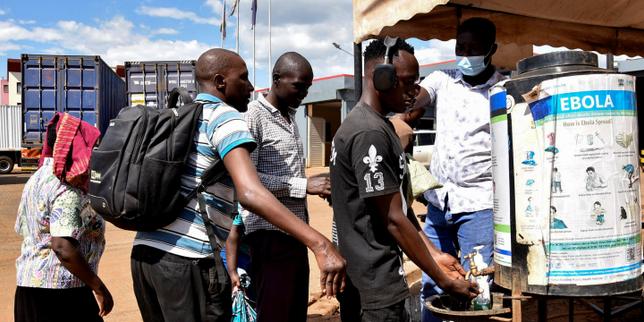
Ebola virus disease is transmitted through direct contact with blood, secretions, organs, or other bodily fluids of symptomatic infected people, or contaminated surfaces and materials. Someone who is infected but has not yet developed symptoms does not transmit the virus. That biological reality changes everything. A pathogen that spreads before symptoms appear—like measles or SARS-CoV-2—slips quietly through airports and crowded markets. A virus that requires direct fluid contact with a visibly ill patient or contaminated environment behaves very differently.
Historically, average case fatality rates for Ebola hover around 50%, ranging from 25% to 90% depending on the virus species and the quality of care. During the 2026 Bundibugyo virus outbreak centered in the Democratic Republic of the Congo, cumulative confirmed cases climbed past 11,000 with more than 5,600 confirmed deaths, while isolated imported cases in countries like Kenya and Nigeria were met with contact tracing, isolation, and monitoring. Alerts matter because early detection stops chains of transmission before they multiply. Yet framing every cross-border movement as an unstoppable wildfire confuses travel with sustained community spread.
The real danger is rarely a single traveler stepping off a plane. The real danger is what happens inside fragile clinics, overwhelmed wards, and trust-starved communities once the virus meets weak infection control and fear.
Direct Fluid Contact vs. Airborne Fantasy
People hear "outbreak" and picture invisible clouds. That mental model breaks down immediately under basic epidemiology.
Because Ebola spreads through direct contact with body fluids or contaminated objects rather than casual airborne drift, transmission clusters tightly around specific exposure points:
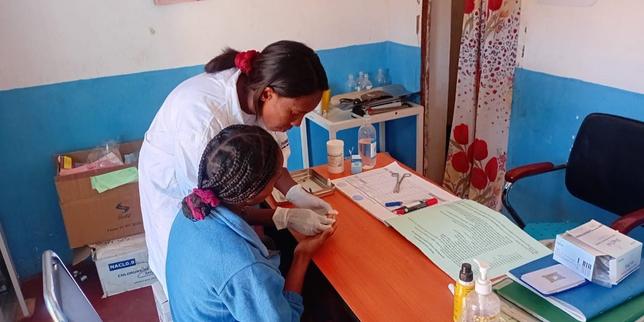
- Under-protected clinics: Health workers without reliable personal protective equipment, triage protocols, or isolation space face acute risk when caring for patients whose early symptoms look like malaria, typhoid, or meningitis.
- Home care and burial practices: Caring for a severely sick relative at home or handling infectious remains without safe precautions has historically fueled some of the sharpest transmission spikes.
- Delayed isolation: Every day a symptomatic patient moves between clinics or households before isolation extends the window for high-risk contact.
When early symptoms mimic common tropical fevers, a clinic without rapid diagnostics and strict isolation becomes an amplifier. That is why healthcare-associated transmission is a recurring flashpoint in outbreak reports. Fix clinic triage and protective supplies, and you cut one of the virus's favorite highways.
Battle Scars From Outbreak Responses
I have watched well-funded emergency plans run straight into human reality and stall out in days. I have seen organizations pour money into flashy logistics—command centers, imported gear, rigid checklists—while overlooking whether local residents actually trust the people knocking on their doors.
When trust collapses, surveillance goes blind.
Imagine a scenario where a rural district reports a cluster of high fevers right after a clinic runs out of basic supplies and patients start dying quietly at home. Health teams roll in with sirens, unfamiliar vehicles, and strict rules that ignore local grief and economic survival. Families hide sick relatives. Contacts skip check-ins. Rumors fill the vacuum faster than official press releases ever could.
In outbreak work, distrust is not a side issue. It is an accelerant.
Even clinical definitions trip people up. In public conversation, "Ebola" gets used as a catch-all label, even though distinct viruses within the Orthoebolavirus genus—such as Ebola virus, Sudan virus, and Bundibugyo virus—drive outbreaks with different histories, diagnostics, and medical countermeasure pipelines. Treating every outbreak as identical leads to sloppy messaging and mismatched expectations.
Heavy hitters in global health—from the World Health Organization and national ministries of health to institutions like the U.S. Centers for Disease Control and Prevention, the European Centre for Disease Prevention and Control, and academic centers such as the University of Minnesota's CIDRAP—repeatedly emphasize the same unglamorous fundamentals: rapid case identification, laboratory confirmation, safe patient care, contact monitoring, and community engagement. None of those work if communities view responders as outsiders imposing punishment rather than partners protecting families.
| Common Alert Narrative | What Actually Drives Outbreaks | Practical Response Priority |
|---|---|---|
| Border crossing equals instant regional catastrophe | Direct fluid exposure, weak clinic infection control, and delayed isolation | Fast triage, PPE, safe isolation, and targeted contact tracing |
| All Ebola alerts carry the same threat profile | Specific viral species, healthcare amplification, and local health system capacity | Tailored diagnostics, clinical trials/vaccines, and honest risk communication |
| Fear and strict rules alone stop spread | Fear drives hiding and stigma, while trust enables early reporting | Local leadership, transparent updates, and supportive care |
Are You Asking the Wrong Question About Ebola?
Most readers ask, "How likely is Ebola to spread to my country or region?" For people far from active transmission zones, the honest answer is usually low—and even where imported cases appear, rapid isolation and contact tracing can contain them.
That question still misses the point.
The sharper question is: Where are health systems brittle enough that an ordinary fever turns into a chain of lethal transmission before anyone catches it?
Outbreaks expose cracks that already existed. Understaffed clinics, scarce diagnostics, cross-border mobility across porous regions, and political or social skepticism turn a manageable spark into a grueling emergency. When an alert sounds, the real test is not whether distant governments can slap a travel restriction on a map. The real test is whether frontline workers have gear, labs have turnaround speed, and neighbors trust health workers enough to speak up early.
What "People Also Ask" Usually Gets Twisted
- "Can someone spread Ebola before feeling sick?" No. Transmission requires symptoms to be present, making early symptom recognition and isolation central to breaking chains of spread.
- "Why are travel restrictions often debated during alerts?" Blanket bans can create economic shock, push movement into informal crossings, and complicate medical or humanitarian supply lines—which is why public health bodies weigh trade-offs carefully rather than treating travel rules as a magic shield.
- "Do vaccines and treatments solve everything overnight?" No. Vaccines and therapeutics are vital tools in the toolkit, but they still depend on cold chains, regulatory/trial protocols, diagnostic confirmation, and safe clinical delivery.
Unconventional Moves That Actually Work
If you want to cut through outbreak noise—whether you run operations, advise travelers, or just refuse to be manipulated by alarmist headlines—change how you act.
- Track health-system signals, not just headline counts. Look at whether healthcare workers are getting infected, how fast lab tests return, and how many contacts complete follow-up. Those numbers tell you whether containment is holding or slipping.
- Invest in trust before the crisis. Emergency outreach launched mid-panic starts at a deficit. Working with trusted local leaders, health workers, and community networks ahead of time makes contact tracing and safe care vastly easier when cases appear.
- Separate personal risk from systemic risk. Low personal risk in a distant country does not mean zero global stakes. Supporting containment where the outbreak is active protects lives there and reduces exportation pressure elsewhere.
- Demand precision in every update. Check which virus species is involved, whether cases are confirmed or suspected, and whether transmission is sporadic or sustained community spread. Precision kills panic.
The Honest Downside of Focusing on Nuance
There is a real cost to pushing nuance during a public health alert.
Nuance takes longer to explain than a siren. If you downplay wild doomsday scenarios too casually, people might tune out legitimate precautions or underestimate how brutal a severe outbreak is for affected families and frontline staff. Overcorrecting toward "nothing to see here" is just as reckless as screaming that the sky is falling.
Good contrarian analysis does not minimize suffering or pretend a deadly pathogen is harmless. It puts the danger in the right place: inside weak clinics, delayed diagnoses, and broken trust—not in every headline.
Stop reacting to the loudest alarm. Fix the weak links where transmission actually happens.