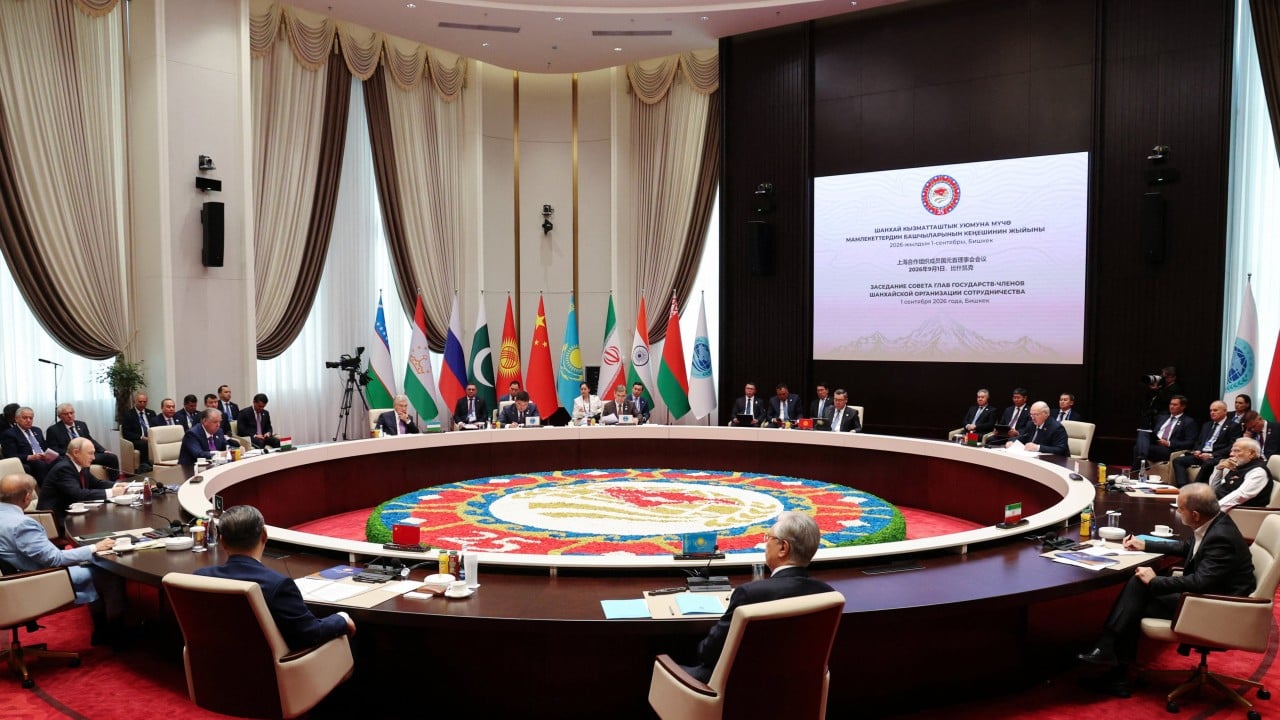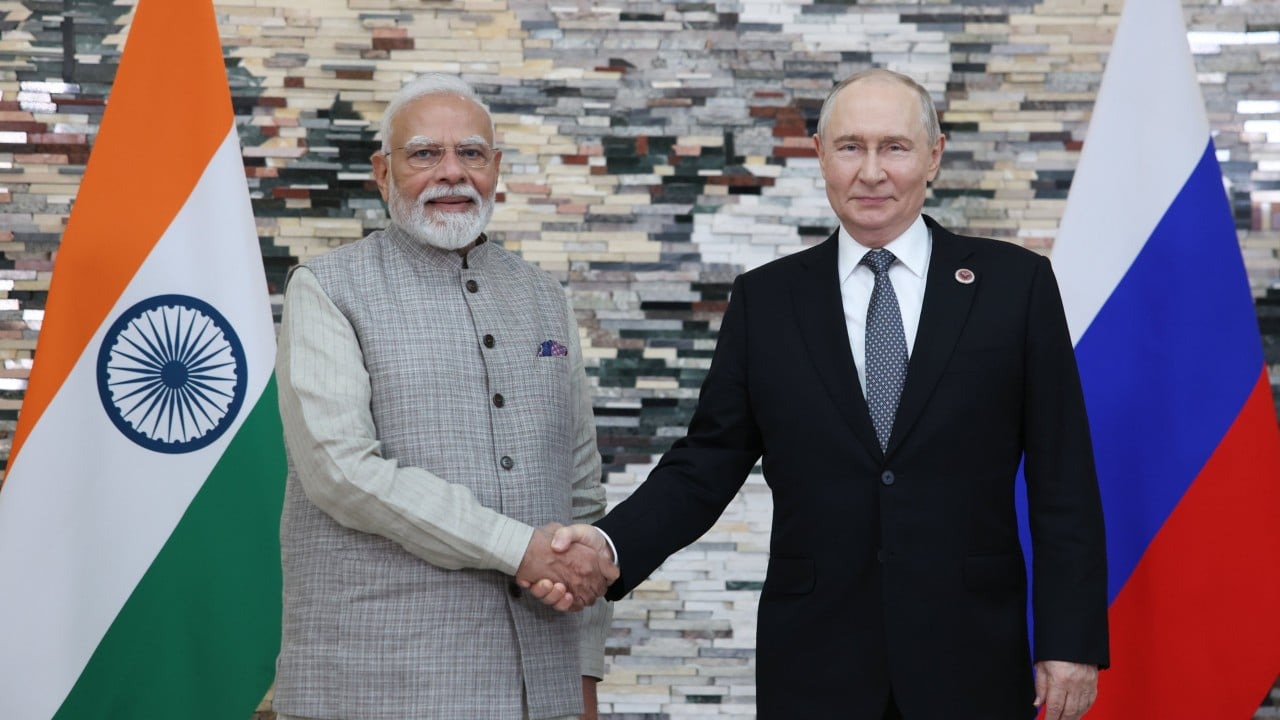
India isn't picking sides in global conflicts anymore, and that refusal is buying New Delhi serious diplomatic leverage. When Prime Minister Narendra Modi sat down with Vladimir Putin and Iranian President Masoud Pezeshkian on the sidelines of the Shanghai Cooperation Organisation summit in Bishkek, he wasn't just shaking hands for the cameras. He was quietly staking out a rare space as a diplomatic bridge between worlds that refuse to speak to one another.
Most Western analysts miss the mechanics of India's foreign policy because they view everything through a Cold War lens. You're either with Washington or against it, right? Wrong. New Delhi's stance is transactional, pragmatic, and fiercely independent. Modi told Putin straight to his face that humanity must move "from endless war to the end of war" regarding Ukraine, while simultaneously keeping Russian oil flowing into Indian refineries to protect domestic energy security. Right after that, he met with Iran's Pezeshkian, who openly urged Modi to use India's extensive diplomatic channels to help de-escalate the devastating West Asia crisis.
The Reality of Multi-Alignment
If you want to understand why countries facing intense US and Western pressure keep picking up the phone to call New Delhi, look at the numbers. India-Russia bilateral trade hit nearly sixty billion dollars, even as New Delhi maintains deep security and economic dialogues with Washington, Tokyo, and European capitals. Modi doesn't bow to Western isolation campaigns against Moscow, nor does he cut ties with Tehran despite heavy sanctions.
This balancing act works because India carries independent strategic weight. China's partnership with Russia is structurally lopsided, leaving Moscow heavily dependent on Beijing. India offers Putin something Beijing cannot: a genuine, equal partnership that refuses to treat Russia as a junior partner or a economic vassal.
At the same time, Tehran sees India as a vital economic outlet. During their Bishkek meeting, Pezeshkian pressed Modi to expand trade and keep maritime routes open through the Strait of Hormuz, where US-Iran flare-ups have choked energy shipments. When Iran explicitly asks an Indian leader to use his standing to help cool down a regional war, it proves that New Delhi's voice actually carries weight across opposing fault lines.
What Modi Gets Right That Others Miss
Most world leaders try to bully adversaries into submission. Modi plays the long game of economic self-interest wrapped in strategic patience.
- Energy Pragmatism: Keeping oil imports steady from Russia prevents domestic inflation at home while insulating the Indian economy from Middle Eastern supply shocks.
- Strategic Autonomy: Refusing to condemn allies publicly doesn't mean endorsing their wars. It keeps channels open so leaders can actually talk about peace behind closed doors.
- Global South Leadership: By consistently advocating for nations caught in the crossfire of superpower rivalries, India positions itself as the undisputed voice of the developing world.
Critics love to argue that playing both sides will eventually backfire. They claim you can't be friends with Washington, Moscow, and Tehran all at once without burning bridges. But look at the results. As Western influence fragments and traditional alliances strain under the weight of regional wars, countries that can talk to everyone are the only ones capable of brokering an exit strategy.
Don't expect India to suddenly turn into a traditional Western-style mediator issuing moralistic lectures. That's not Modi's style, and it wouldn't work anyway. Instead, expect New Delhi to keep quietly shaping outcomes behind the scenes, trading oil, selling pharmaceuticals, and reminding a fractured world that dialogue remains the only way out of a burning room.
PM Modi Meets Putin On The Sidelines Of SCO Summit
This video highlights the high-stakes bilateral discussions between Indian Prime Minister Narendra Modi and Russian President Vladimir Putin during the SCO summit, focusing on defense, energy, and regional diplomacy.