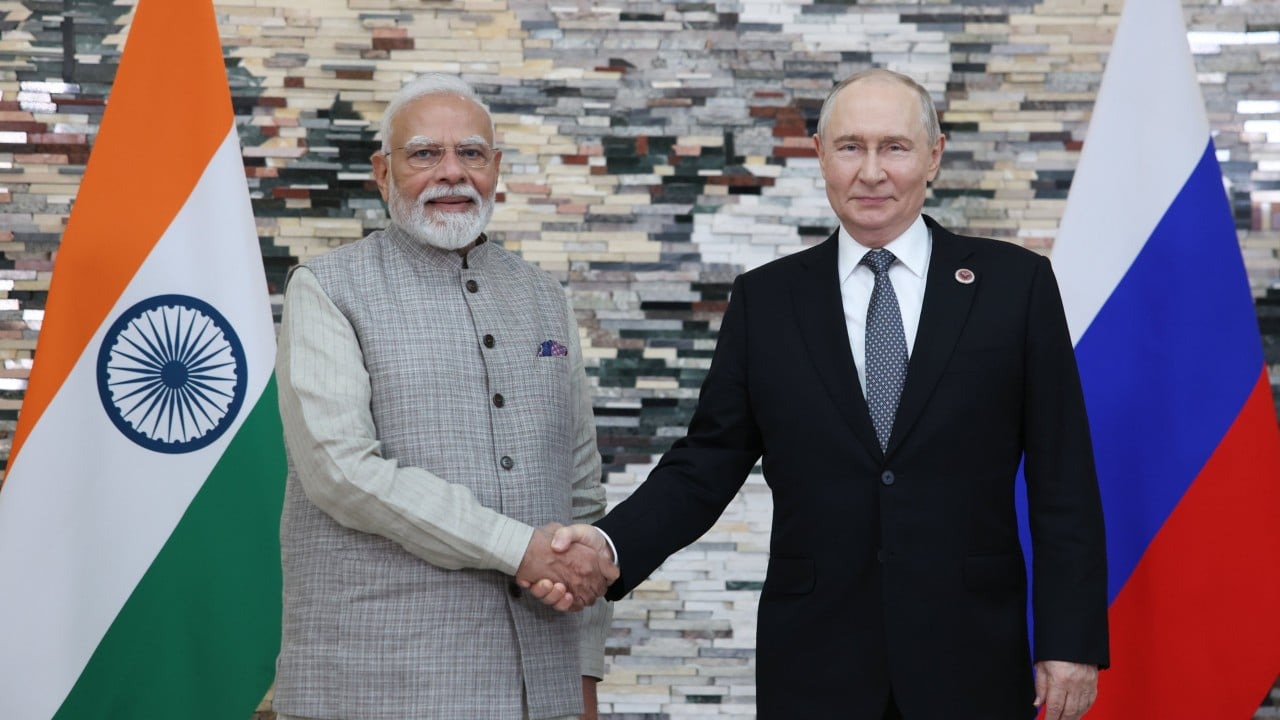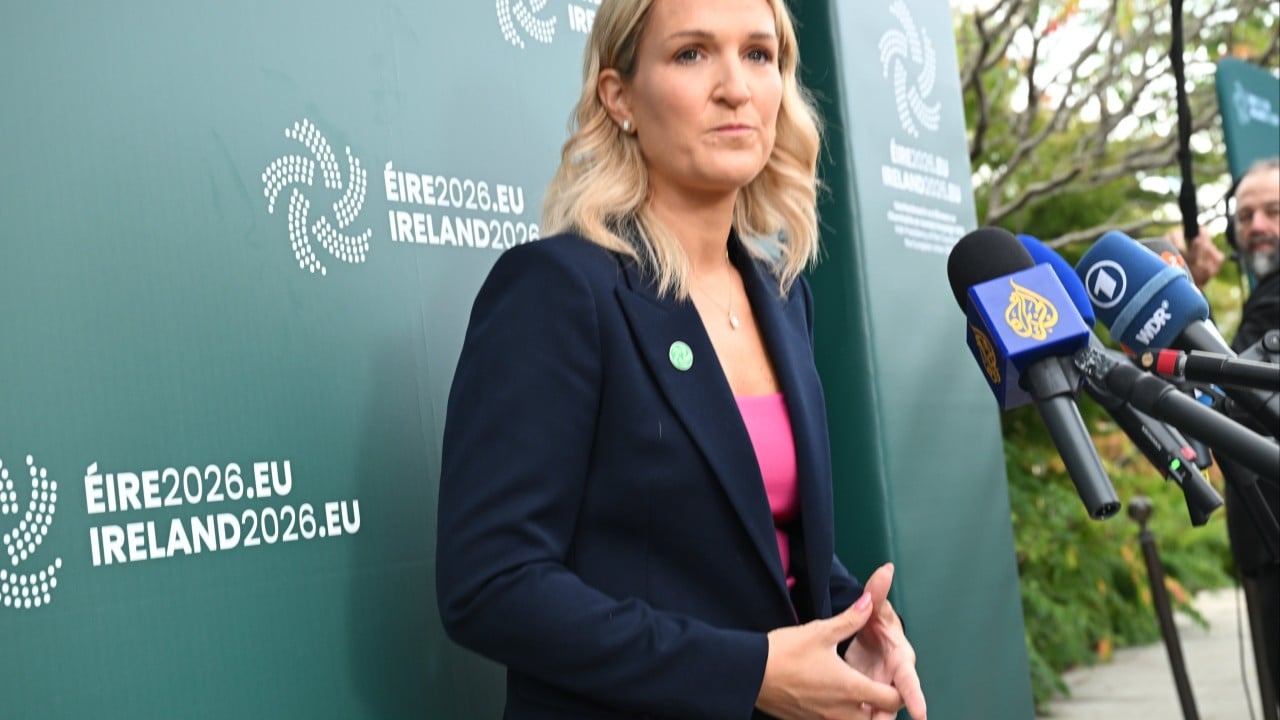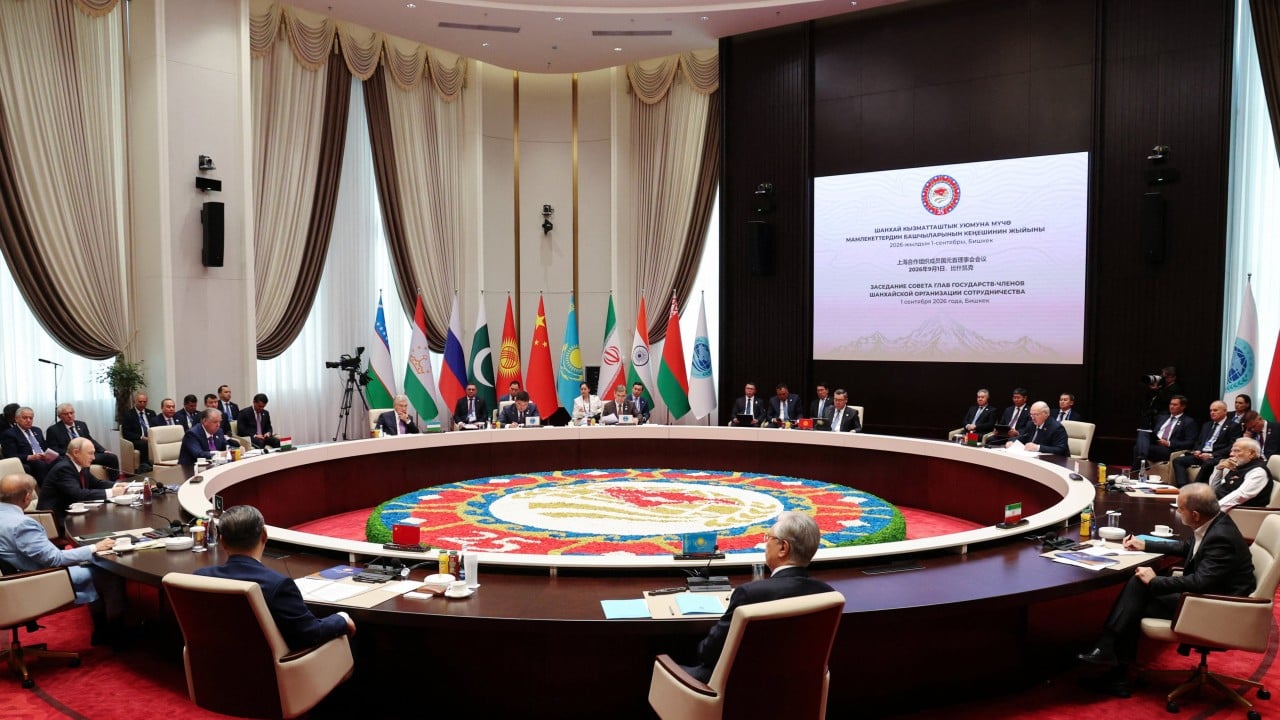
Diplomatic communiqués possess a distinct architectural weight. They are built to project solidarity, soothe fractured alliances, and signal defiance to external adversaries without ever forcing the signatories into concrete military liabilities. When the Shanghai Cooperation Organisation released the Bishkek Declaration following its summit in Kyrgyzstan, foreign policy desks immediately fixated on the bloc's explicit condemnation of military strikes against Iran. Headlines declared that Tehran had secured heavyweight diplomatic backing against Washington and its allies.
A closer examination of the text and the mechanics of Eurasian multilateralism reveals a starkly different reality. The diplomatic umbrella offered by Beijing, Moscow, New Delhi, and their regional partners is wide, rhetorical, and ultimately non-binding. It provides Tehran with a collective rhetorical shield against Western military pressure, yet it contains zero operational security guarantees capable of deterring a carrier strike group or intercepting incoming ordnance.
Understanding why this multilateral endorsement falls short requires looking past the language of the joint statement and examining the divergent interests binding the ten member states. The bloc is not a mutual defense pact. It is an economic and security dialogue forum where nations with competing bilateral ambitions attempt to manage their peripheries. When the coalition condemns attacks on Iranian territory as violations of the United Nations Charter, it speaks with a unified voice on international law. When those same nations are asked to translate that condemnation into strategic deterrence or economic insulation, the consensus fractures rapidly.
The divergence begins with the internal composition of the organization itself. India maintains deep, multi-layered security and economic ties with Western capitals and energy-supplying monarchies in the Persian Gulf. New Delhi's signature on the Bishkek text reflects its consistent opposition to unilateral military interventions and its anxiety over maritime trade disruptions in the Arabian Sea, but it does not represent an alignment with Tehran's geopolitical friction against Washington. Simultaneously, Central Asian states within the bloc prioritize regional stability and cautious neutrality, wary of becoming secondary targets in a wider Middle Eastern conflagration.
Tehran understands the limits of this support better than anyone. The Islamic Republic faces severe economic degradation and kinetic pressure following months of direct exchanges with Western and allied forces. While leaders in Tehran frequently point to multilateral platforms like the Shanghai Cooperation Organisation and BRICS as evidence of their escape from international isolation, diplomatic resolutions do not replenish depleted foreign exchange reserves or repair shattered infrastructure.
The security architecture of the bloc lacks the mutual assistance clauses found in formal Western military alliances. Article 5 of the North Atlantic Treaty organization obligates members to treat an attack on one as an attack on all. The Shanghai Cooperation Organisation possesses no such mechanism. Its foundational documents emphasize joint counter-terrorism coordination, border security, and economic cooperation, leaving member states entirely sovereign over their own defense postures during external crises.
China and Russia remain the primary heavyweights within the grouping, and their approach to the Iranian theater is governed by strategic calculation rather than emotional solidarity. Beijing relies heavily on uninterrupted energy flows from the Persian Gulf, making regional stability a primary economic imperative. Yet Beijing prefers economic statecraft, infrastructure investments through the Belt and Road Initiative, and bilateral diplomacy to direct military confrontation with Western naval deployments. Siding rhetorically with Tehran costs little in Beijing's broader calculus of great power competition, but deploying hard security assets to shield Iranian airspace is a threshold neither China nor Russia is willing to cross.
The Bishkek text also addresses Iran's nuclear program, reaffirming rights under the Non-Proliferation Treaty while denouncing restrictive measures. This provides a useful talking point for Iranian diplomats negotiating in multilateral forums, yet it fails to alter the immediate military balance on the ground. Declarations concerning the peaceful use of atomic energy do not dismantle economic sanctions or halt aerial sorties. They serve primarily as diplomatic counters in an ongoing struggle over international legitimacy.
For Washington and its allies, the unified stance of the Eurasian bloc causes friction at the margins rather than a fundamental strategic reassessment. Western policy planners have long anticipated that sanctioned states would seek shelter within alternative multilateral institutions. The absence of specific state names in previous iterations of regional declarations, contrasted with periodic shifts in rhetoric, demonstrates that member states constantly calibrate their public posture to avoid triggering secondary sanctions or breaking completely with Western trade corridors.
This creates a persistent structural paradox for Iranian foreign policy. The more Tehran integrates into non-Western economic and political frameworks, the more it finds that those frameworks are designed to avoid direct military entanglements. Nations join these organizations to expand trade, manage regional borders, and hedge against Western financial dominance, not to underwrite third-party security crises.
The diplomatic utility of the Bishkek Declaration should not be entirely dismissed. It complicates the narrative of complete international ostracization that Western capitals attempt to maintain. It offers domestic audiences in Iran proof that major Eurasian powers view military strikes against their territory as illegitimate under international law. In the theater of global perception, narrative framing carries genuine weight.
Yet perception is a poor substitute for ordnance. As long as regional deterrence relies on declarations adopted in summit halls thousands of miles from the Strait of Hormuz, the strategic vulnerability of the Iranian state remains unchanged. The diplomatic shelter is real, but so is the storm outside.