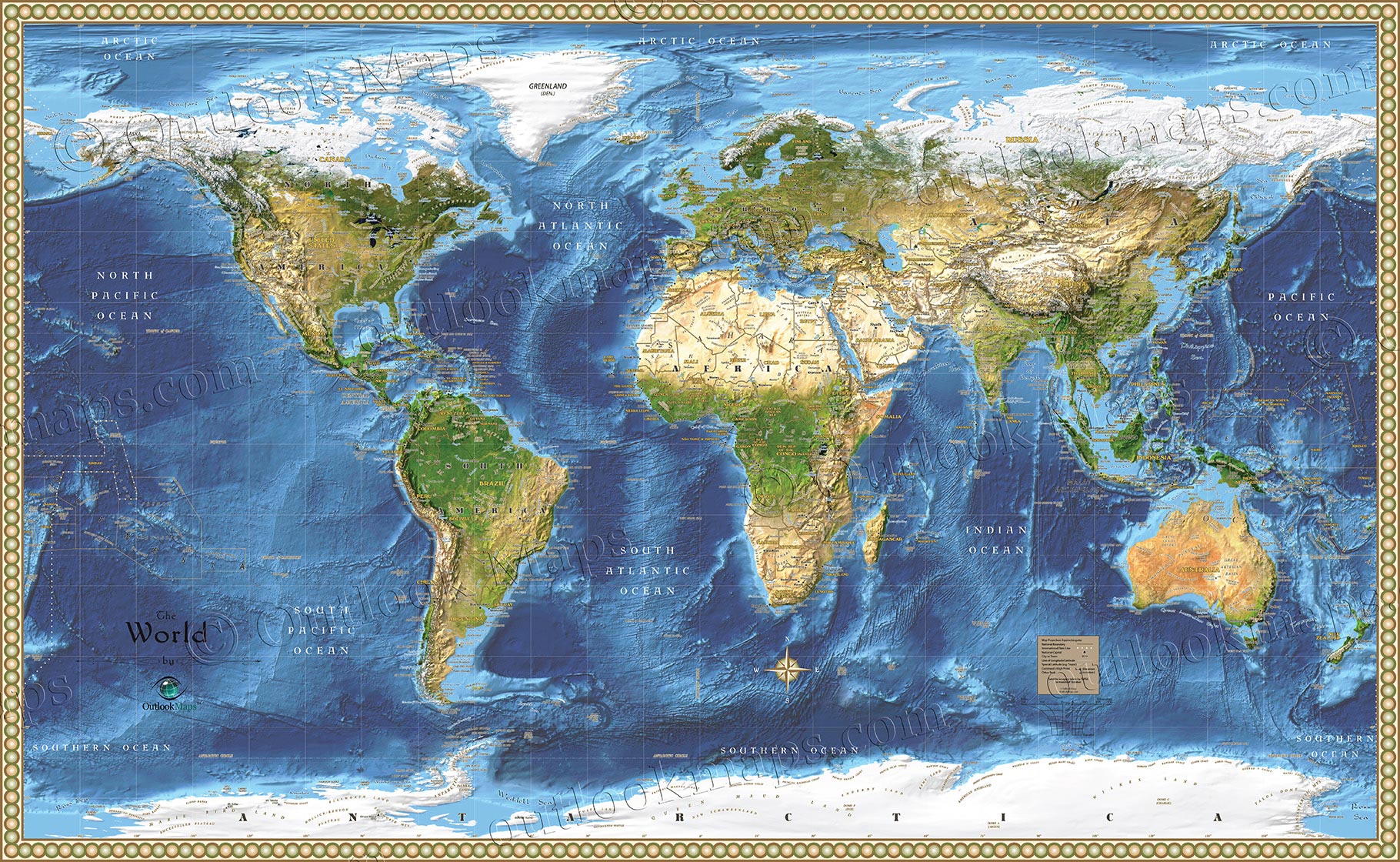
Every pundit with a microphone and a shallow understanding of modern diplomacy spent the weeks following October 7 rushing to redraw the cartography of the Middle East. The lazy consensus went on a permanent loop across cable news networks and think-tank white papers. Analysts argued that the shockwaves shattered the old blueprints of the region, supposedly proving that the architecture of sovereignty established a century ago had collapsed into dust.
They got it entirely backward.
Borders did not shift. They stopped mattering.
When people look at a map, they look for lines on parchment. They see states, checkpoints, and colored territories. That is a nineteenth-century lens applied to a twenty-first-century theater of friction. The real geography of the Middle East is no longer defined by lines drawn by colonial administrators with rulers in smoke-filled rooms. It is defined by non-state actors, logistics networks, financial pipelines, and ideological ecosystems that flow right through national boundaries as if concrete walls and barbed wire did not exist.
I have spent years tracking capital, intelligence networks, and proxy logistics across the Levant and the Gulf. When you look at the ledger sheets of power rather than the flags flying over government palaces, a completely different picture emerges. The conventional narrative insists that October 7 redrew the map because alliances cracked and hostilities flared into the open. That analysis mistakes a symptom for a structural collapse. The map was already obsolete. The events merely exposed the wiring.
Consider the baseline myth that normalization tracks between Arab capitals and Israel represented a permanent territorial integration. Commentators treated economic accords and diplomatic handshakes as binding cement, assuming that commerce and security pacts would freeze geopolitical rivalries in place. That was wishful thinking packaged as foreign policy expertise. Commercial corridors and trade memorandums cannot override deep-seated asymmetric warfare networks or ideological imperatives that operate outside state control.
When a militant group can paralyze global maritime trade in the Bab el-Mandeb strait from the mountains of Yemen, national borders in Riyadh, Cairo, or Tel Aviv become secondary details. Sovereignty has dissolved into spheres of kinetic influence. The state apparatus still collects taxes and issues passports, but the actual levers of regional escalation and deterrence are held by entities that do not answer to electorates or hold seats at the United Nations.
This brings us to the core flaw in how observers analyze power projection in the region. Most commentators treat military hardware and defense budgets as the primary indicators of strength. They point to multi-billion-dollar fighter jet purchases and advanced radar systems as proof of deterrence. But high-tech arsenals are designed for interstate conflict, not for asymmetric attrition waged by decentralized networks embedded within civilian populations.
Imagine a scenario where a multi-trillion-dollar defense shield stops ninety percent of incoming ordnance, yet the economic cost of remaining on a war footing paralyzes tourism, foreign investment, and domestic stability. That is the asymmetric reality of modern conflict. The side that can sustain ideological mobilization indefinitely on a shoestring budget holds a structural advantage over conventional militaries bound by fiscal realities and modern societal expectations of safety.
The honest assessment requires admitting the severe limitations of this contrarian view as well. Dismissing traditional state borders does not mean governments are irrelevant. It means their role has shifted from arbiters of regional order to fragile containers trying to manage internal pressures they can barely contain. When you strip away the diplomatic theater, leaders in the region are managing domestic survival strategies. Every policy decision, whether joining a regional summit or projecting defiance, is filtered through the lens of internal regime preservation.
The mistake is assuming that these governments control the narrative. They are riding tigers.
Look at how energy markets reacted. Pundits predicted immediate, permanent disruptions to global oil flows, anticipating that every nation in the region would be forced to take a definitive, permanent side in a widening conflagration. Instead, pragmatism quietly won the day behind closed doors. Trade channels adapted. Pipelines kept pumping, and commercial partners maintained pragmatic backchannels even while trading public denunciations. The rhetoric belongs to the television studios; the transactions belong to the realists.
This disconnect between public theater and operational reality is where most analysts lose the plot. They listen to what leaders say to appease domestic constituencies instead of watching where capital and covert logistics actually flow.
If you want to understand where the Middle East is heading, stop staring at cartographers' projections or waiting for a new Sykes-Picot agreement. Pay attention to supply chains, digital infrastructure, drone manufacturing hubs, and the underground financial networks that settle debts when traditional banking systems fail. The region is not being redrawn by diplomats signing treaties; it is being reformatted by engineers, smugglers, and ideologues operating in the gaps between weak states.
The lines on the map remain where they were. They are just ghosts haunting an empty house.


