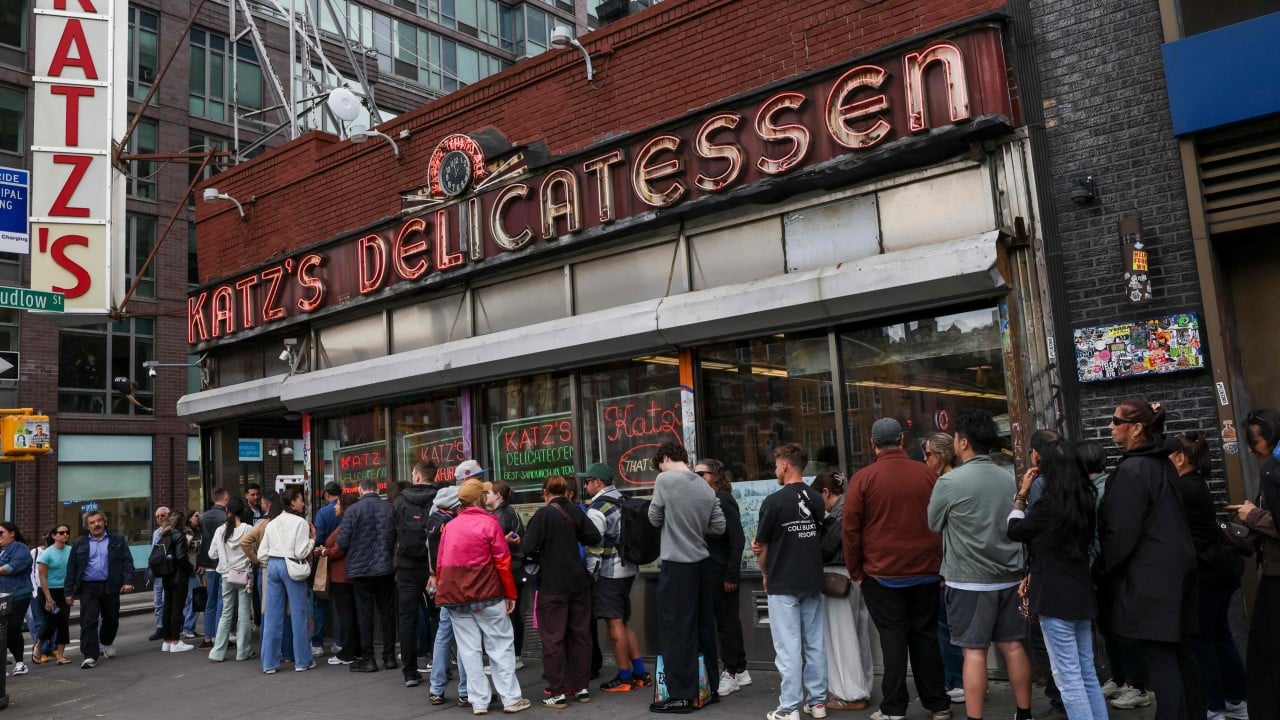
The three-block queue snaking around a Manhattan corner is not a sign of a thriving food culture. It is a calculated product of psychological engineering. Modern street lines in New York, where people routinely wait three hours for an eleven-dollar frosted dot cake or a specific slice of pizza, are meticulously maintained by digital algorithms and artificial scarcity. Consumers believe they are standing in line for an exceptional culinary experience. In reality, they are participating in a transactional theater where the primary currency is social validation rather than the actual commodity being sold.
The physical sidewalk has been transformed into an extension of the smartphone screen, driven by algorithmic discovery that rewards visual spectacle over substance.
The Engineering of the Sidewalk Bottleneck
Long queues used to indicate an organic mismatch between high local demand and limited physical supply. Today, that mismatch is intentionally designed. Business owners quickly realize that a line stretching down the block serves as the most effective free billboard in a crowded city. By deliberately restricting production capacities, operating on ultra-short hours, or utilizing small storefronts that cannot accommodate indoor waiting, establishments generate artificial wait times.
This setup exploits a well-documented behavioral phenomenon known as social proof. When individuals observe a crowd dedicating hours to a singular objective, they instinctively assign a premium value to that objective. The wait time ceases to be a logistical nuisance. It becomes a metric of worth.
[Algorithmic Trend] ➔ [Artificial Scarcity] ➔ [The Physical Queue] ➔ [Social Validation]
The economics of these operations rely heavily on this cycle. Traditional advertising requires significant capital investment with unpredictable returns. A viral video from a prominent food influencer can drive tens of millions of views, sending thousands of customers directly to a storefront overnight. If the store scales up production to meet this sudden demand immediately, the line vanishes, the mystique dissipates, and the algorithm moves on to another establishment. Maintaining a slow, deliberate pace of service keeps the sidewalk packed and ensures the business remains a visible, trending topic.
The Psychology of Status Signaling
Waiting in a New York queue has evolved into a performance of taste, cultural awareness, and temporal wealth. In a densely populated environment where luxury goods are increasingly commoditized, exclusive access to everyday items offers a new way to signal status. Buying an expensive handbag requires substantial financial capital, but standing outside for two hours for a specific hot chocolate signals something entirely different. It shows that the individual possesses the inside knowledge to identify a trend early and the expendable time to waste on its acquisition.
This dynamic creates a powerful sense of community among those waiting. Strangers stand closely together behind metal barricades, united by a shared desire to participate in a viral moment.
The collective endurance creates an artificial bond. Individuals validate each other's choice to sacrifice their time for a minor reward, turning a mundane chore into a shared social ritual.
The Real Cost of Digital Clout
The transaction does not end when the customer finally reaches the counter and pays for the product. The actual consumption of the food item is often secondary to the digital documentation of the purchase. The primary objective is to capture the perfect image or video to upload back into the digital ecosystem, confirming to an online audience that the mission was successful.
- Time Depletion: Hours spent on concrete sidewalks yield only minutes of sensory consumption.
- Inflated Pricing: Basic pastries and beverages are priced at a steep premium to fund the aesthetic packaging required for digital appeal.
- Distorted Value: Quality is judged almost entirely by visual presentation rather than flavor, texture, or culinary skill.
This behavior highlights a shift toward a culture where experiences are valued primarily for how easily they can be broadcast to others. The sensory enjoyment of a meal is replaced by the utility of its image. When a pastry is formulated specifically to look appealing under a camera lens, its taste becomes an afterthought.
The Illusion of Spontaneity
The belief that these trends emerge naturally from genuine public enthusiasm ignores the highly coordinated network of influencers, public relations agencies, and platform algorithms operating behind the scenes. A single post from a well-known content creator can instantly alter foot traffic patterns across Manhattan. These creators require a steady stream of highly visual content to maintain their own audience engagement, creating a symbiotic relationship with businesses willing to optimize their products for camera lenses.
This reliance on visual trends creates an volatile environment for local businesses. A storefront may find itself overwhelmed with thousands of customers for a few weeks, only to see the crowds completely disappear once the algorithm pivots to a new aesthetic. This unpredictability makes long-term business planning exceptionally difficult. Establishments face intense pressure to cash in on temporary hype before the public interest shifts to the next viral phenomenon.
The true beneficiary of this system is not the consumer who walks away with a highly photographed pastry, nor the business owner managing sudden volatility. The real winners are the digital platforms that capture the attention, engagement, and data generated by millions of users tracking these physical lines from their screens. The modern New York queue is a physical manifestation of an online feed, where human bodies fill the space between commercials.


