The paper-thin truce in Lebanon just shredded. If you've been following the headlines about a "ten-day cessation of hostilities" or the "three-week extension" brokered by the U.S., the reality on the ground tells a much uglier story. On Sunday, April 26, 2026, the Lebanese Health Ministry confirmed that 14 people were killed in a series of Israeli strikes across the south. It’s the deadliest day since this latest diplomatic attempt at peace supposedly began, and it highlights a brutal truth: a ceasefire only works if both sides actually stop shooting.
Right now, they aren't. Not even close.
The Deadly Math of a Broken Truce
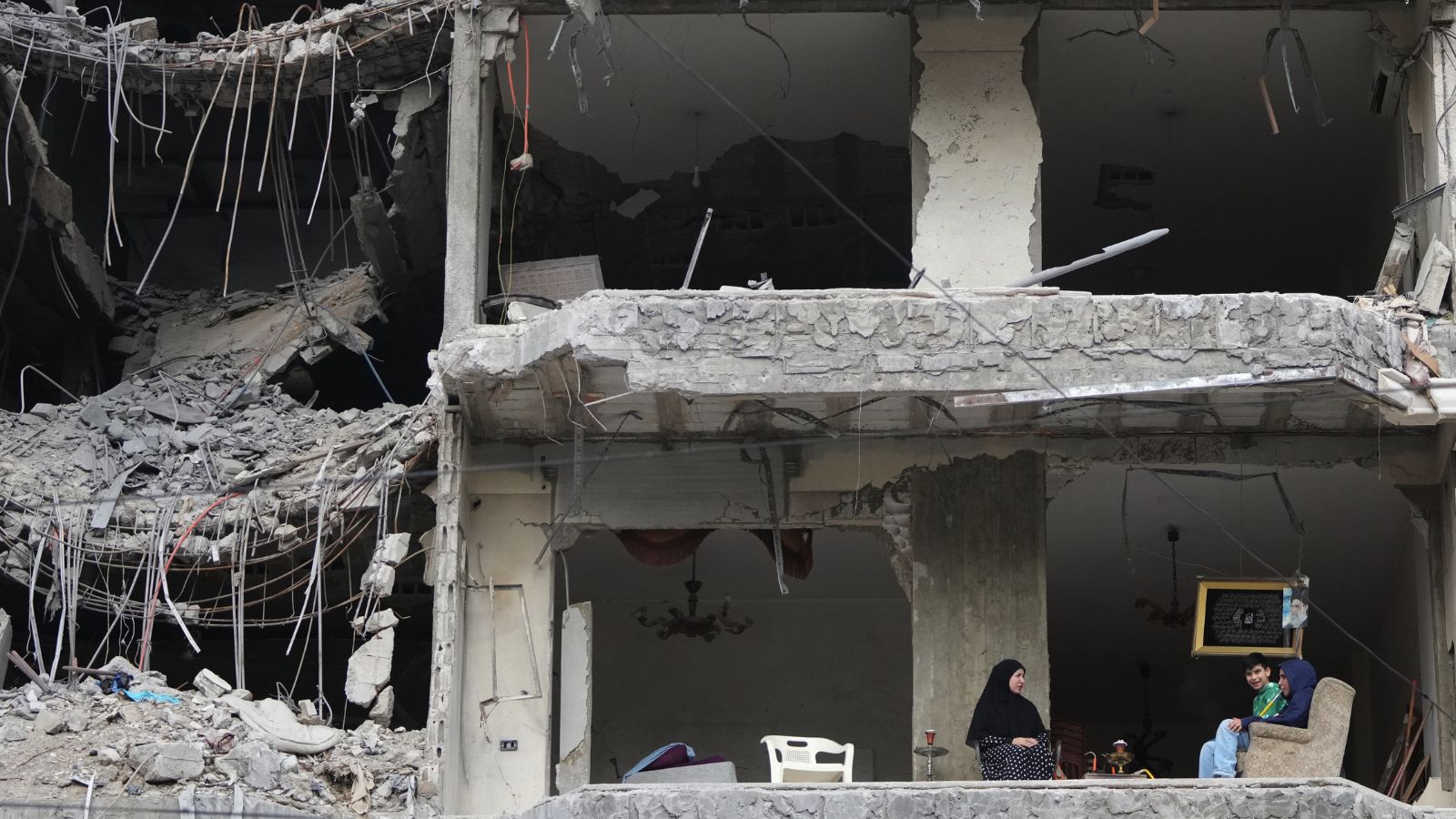
When we talk about 14 deaths, we aren't just talking about numbers on a spreadsheet. Among the dead were two children. The strikes hit villages like Kfar Tibnit and Zawtar al-Sharqiyah. In the latter, a mosque and another religious building were flattened. Honestly, the term "ceasefire" feels like a cruel joke to the people living there.
Since full-scale hostilities reignited on March 2, 2026—triggered by the wider U.S.-Israeli conflict with Iran—the toll in Lebanon has been staggering. We're looking at over 2,500 people killed. More than 1.2 million people, nearly a quarter of the country’s population, have been forced out of their homes. Imagine a quarter of your own country suddenly living in schools or tents because their neighborhoods became "no-go zones."
Why the Evacuation Orders are Changing the Map
Israel’s military isn't just striking; they're clearing the board. Colonel Avichay Adraee, the IDF’s Arabic-language spokesman, issued immediate orders for residents in seven towns to move north of the Litani River. These aren't just suggestions. They’re precursors to heavy bombardment.
The strategy here is clear:
- Create a massive buffer zone.
- Strip Hezbollah of its "human shield" infrastructure.
- Systematically demolish border settlements.
But there’s a catch that most people miss. Israel is ordering evacuations for towns north of the Litani—areas that were technically outside the original "security zone." This expansion is basically telling the Lebanese people that no matter where they go, the line of safety keeps moving. It’s a terrifying way to live.
The Hezbollah Factor
You can't look at this in a vacuum. Hezbollah isn't sitting on its hands. On the same day as those 14 deaths, Hezbollah claimed it attacked Israeli troops near Kafr Kila and Taybeh. They even hit an Israeli rescue helicopter during an evacuation mission, killing one soldier and wounding six others.
Hezbollah’s leadership has "drawn a line in the sand." They’ve made it clear they won't accept a one-sided deal where they disarm while Israel continues to occupy the south. They're still launching drones and rockets into northern Israel, which puts Prime Minister Netanyahu in a political vice. If he doesn't stop the rockets, the Israeli public turns on him. If he keeps striking, the international community (and the fragile U.S.-Iran peace track) collapses.
The Diplomatic Trap
Here’s where it gets complicated. There’s a massive disconnect between what’s being said in Washington and what’s happening in Beirut.
- The U.S. Perspective: Secretary of State Rubio and the administration are pushing for a permanent security agreement. They want Hezbollah pushed back and disarmed.
- The Lebanese Government: They’re "negotiating under fire." They want their sovereignty back but they have almost zero control over Hezbollah’s military actions.
- The Iran Link: Everything in Lebanon is tied to the 2026 Iran war. Tehran says the ceasefire should include Lebanon; Israel says it doesn't.
This "negotiating under fire" is a nightmare for diplomacy. It's hard to talk peace when you're busy burying 14 people and watching your mosques get turned into rubble.
What This Means for the Next 48 Hours
If you're looking for a silver lining, you won't find it today. The "Operation Eternal Darkness" campaign has already shown that Israel is willing to strike central Beirut without warning if they think a high-value target is there. Hospitals like Rafik Hariri and Al Zahara are at breaking point, refusing to evacuate because there is literally nowhere else for the patients to go.
The immediate next steps aren't found in a boardroom. They're found in the "no-go zones" of the south. If you have family or interests in the region, monitor the IDF's social media channels (specifically the Arabic-language spokespeople) for immediate evacuation warnings. The gap between a warning and a strike is shrinking.
Don't wait for a formal announcement that the ceasefire has failed. For the 14 families who lost someone on Sunday, it already has. Watch for whether Hezbollah increases the tempo of its drone strikes in response to the latest casualties—that's usually the signal for the next major escalation.