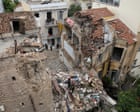
Six people lost their lives when an apartment building in the historic Plaka district of Athens collapsed in seconds following a massive blast.
When disaster strikes a densely packed neighborhood under the shadow of the Acropolis, the immediate aftermath is defined by chaos, sirens, and desperate rescue efforts. But once the dust settles, the hard questions begin. Greek authorities faced an intense investigation to figure out how a residential block on Lysikratous Street could be reduced to rubble so quickly, taking the lives of locals and international visitors alike.
Piecing Together the Plaka Tragedy
The explosion occurred on the morning of September 25, leveling the structure and leaving emergency crews scrambling to locate survivors beneath heavy debris. Search-and-rescue teams utilized specialized equipment, cameras, and dogs to comb through the wreckage.
The human toll quickly became clear as forensic teams recovered the bodies of all six missing individuals. The victims included an elderly Greek-British couple who lived in the building, alongside four American tourists staying in a short-term rental on the first floor. Reports later indicated that some of the visiting tourists were supposed to catch a flight home just hours after the tragedy struck.
Miraculously, a school bus carrying twelve children narrowly avoided direct impact when it passed the location seconds before the blast, though flying debris still struck the vehicle and left the children shaken.
The Investigation Shifts to Infrastructure and Copper Theft
Initial speculation pointed toward a standard natural gas leak, but investigators quickly expanded their scope as forensic evidence came to light. Authorities arrested and questioned suspects linked to a separate criminal angle: an alleged attempt to steal copper piping from the building's gas installation.
Experts from the National Technical University of Athens examined fragments of the damaged gas pipes. Their findings suggested that the structural breaks were consistent with mechanical force or deliberate pulling rather than damage caused by the explosion itself. This connection shifted the gravity of the police inquiry from a simple utility failure to potential criminal negligence involving infrastructure tampering.
The Broader Impact on Short-Term Rentals in Athens
Beyond the criminal proceedings, the tragedy reignited fierce public debates surrounding urban housing safety and short-term rentals. Athens has experienced immense pressure on its residential real estate market, leading the Greek government to tighten regulations and clamp down on short-term rental permits in historic neighborhoods like Plaka.
When buildings age without rigorous oversight or when unauthorized modifications compromise utility systems, the risks multiply. Civil protection crews and municipal engineers were ordered to inspect surrounding properties to assess structural integrity following the shockwave.
The judicial process moves forward as prosecutors review the forensic reports and testimonies from the accused. For Athens, the incident remains a stark reminder of the fragile balance between preserving historic architecture and maintaining strict safety standards in a booming tourism economy.