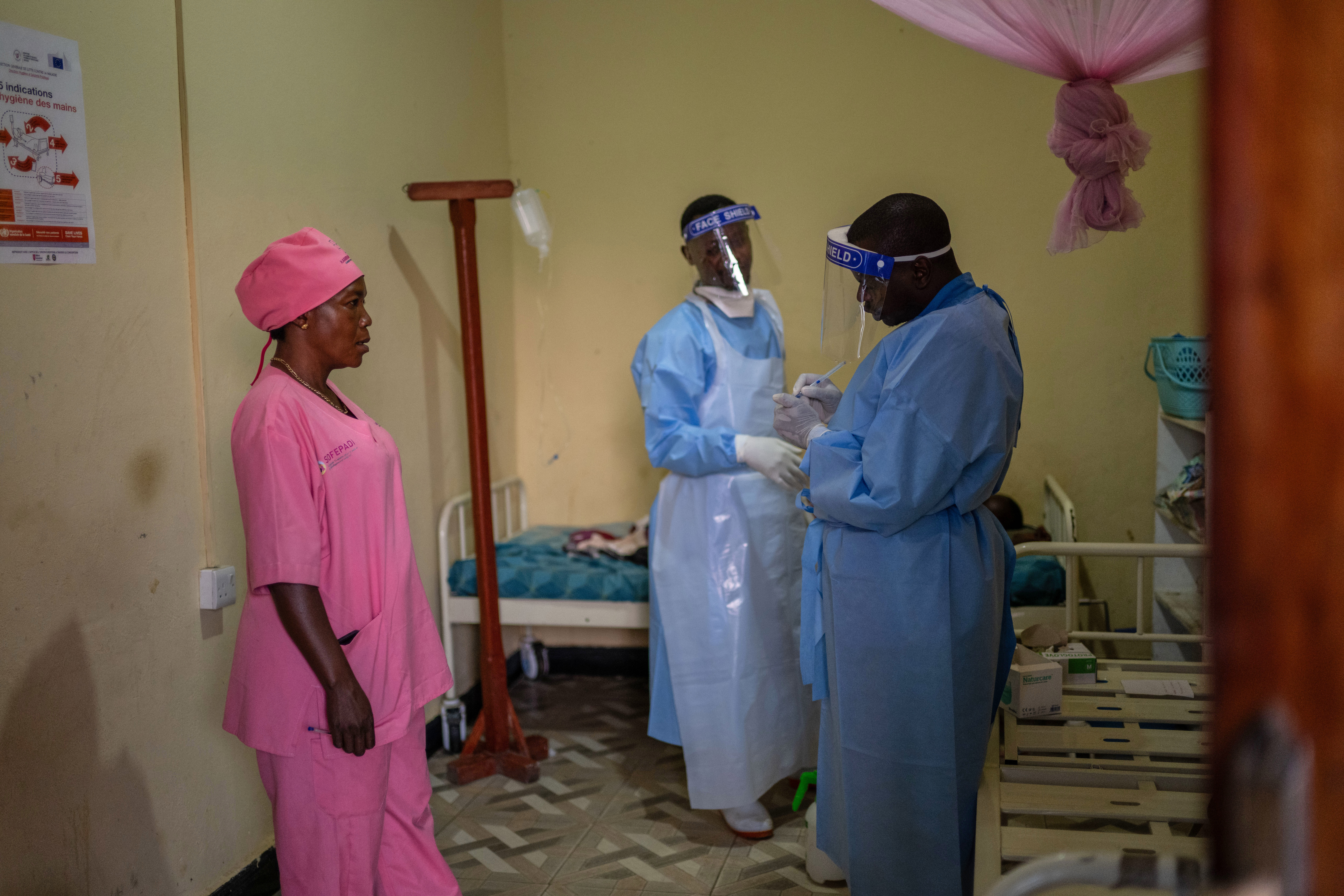
Traditional containment strategies fail during viral outbreaks because outsiders try to command their way through a crisis. When an Ebola epidemic strikes, international agencies rush to establish isolation centers. They build fences. They wear terrifying protective suits. But the real battle happens inside the homes of terrified families who don’t trust a word the authorities say.
If you want to understand how an outbreak actually stops, you have to look past the sterile field hospitals. You have to look at the local communities rewriting the containment playbook on their own terms.
During major outbreaks, like the devastating West African epidemic or the complex responses in the Democratic Republic of Congo, the turning point never came from a top-down decree. It happened when the response shifted from policing people to partnering with them.
The Deadly Cost of Missing the Cultural Context
Health organizations often treat viral transmission as a math problem. They calculate reproduction numbers and track contact lists. But transmission is deeply social. Ebola spreads through close contact, bodily fluids, and the care we give to the dying.
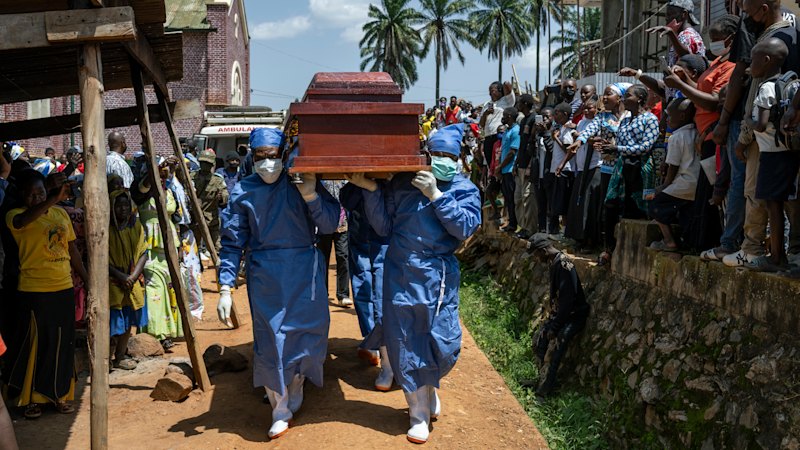
When international teams first arrived in response to historical outbreaks, they ordered immediate, sterile burials. They banned families from touching their deceased loved ones. To the experts, this was basic infection control. To the locals, it was an act of desecration. Traditional burial practices across many affected regions involve washing the body, honoring the spirit, and gathering the community. Forcing families to abandon these rituals created instant resistance.
http://googleusercontent.com/image_content/216
People started hiding their sick relatives. They buried bodies secretly at night. This secrecy didn't happen because people were ignorant. It happened because the response lacked empathy.
Data from the World Health Organization shows that unsafe burial practices caused up to 60% of Ebola cases in certain districts during the West Africa crisis. The lesson is brutal but simple. If your medical intervention alienates the community, you are actively helping the virus spread.
How Local Leaders Reclaimed the Ebola Frontline
Real progress started when local advocates, youth groups, and religious leaders took over the messaging. They didn't need a medical degree to save lives. They needed trust.
Local networks accomplished what foreign aid workers couldn't. They adapted safety protocols to fit their culture. Instead of banning traditional burials entirely, they negotiated safe, dignified alternatives. Red Cross teams began training local youth to conduct burials using protective gear while allowing families to stand at a safe distance to pray, speak, and witness the process.
They also changed how contact tracing worked. Instead of armed escorts or intimidating foreign investigators showing up at a home, trusted neighbors did the check-ins. They brought food, supplies, and reassurance.
Top-Down Approach          Community-Led Approach
------------------          ---------------------
Forced isolation            Supported home quarantine
Sterile, forced burials     Safe, dignified burials
Foreign-led surveillance    Neighbor-to-neighbor tracing
When communities take ownership, the numbers drop. It turns out that people willingly cooperate with quarantine rules when they aren't treated like criminals.
The Logistics of Hope in a Micro-Epidemic
Defeating Ebola requires intense, hyper-local logistics. Think about a remote village with no paved roads, spotty cellular service, and a sudden cluster of cases. You can't just drop a massive treatment center there overnight.
Instead, modern outbreak response relies on decentralized care. Rapid response teams use mobile laboratories to diagnose cases in hours rather than days. This speed is critical. Isolating a patient quickly saves their family from exposure.
Vaccination strategies have also evolved. The ring vaccination method, which targets contacts of confirmed cases and their contacts in turn, acts as a human shield against the virus. Delivering these vaccines requires a meticulous cold chain, often keeping doses at sub-zero temperatures using specialized portable freezers in tropical climates.
But even the best vaccine is useless if people refuse to take it. That brings us back to the central truth of any epidemic. The logistics of trust always precede the logistics of medicine.
Building Resilient Health Systems for the Next Threat
We can't keep treating these outbreaks as isolated fire drills. When the international funding dries up and the field tents pack away, local clinics are left to pick up the pieces.
True security comes from investing in primary healthcare before an epidemic starts. This means training local nurses, stocking basic personal protective equipment in rural clinics, and establishing permanent surveillance systems run by the people who live there.
If you want to support global health security, focus on initiatives that empower local leadership. Support organizations that fund community-based surveillance and train neighborhood health workers. The next outbreak won't be stopped by a global press release. It will be stopped by a local nurse who notices a pattern, rings the alarm, and has the trust of her community to act immediately. Ensure your advocacy and funding align with grassroots ownership, because that is where the frontline actually lives.