Donald Trump loves the brink. He thrives on it. Just this week, he announced he was exactly an hour away from launching a massive military assault on Iran, only to pull back at the final second. The White House claims the pause happened because Gulf allies begged for a diplomatic window and Tehran submitted a fresh peace proposal.
But let's be real. We've seen this movie before, and the plot is wearing thin. You might also find this similar coverage useful: The Gaza Aid Flotilla Illusion and the Myth of the Isolated Video Clip.
The current ceasefire, holding by a thread since early April after 40 days of devastating US and Israeli airstrikes, has exposed a brutal reality. The United States and Iran are locked in a dangerous deadlock, and neither side knows how to get out. Trump keeps trying to use the same old playbook—bombardment followed by maximum pressure threats on social media—to force total capitulation.
It isn't working. Tehran isn't buckling under the weight of the bombs, and America's regional allies are panicking about what happens if the shooting starts again. Understanding Iran's actual leverage reveals why a renewed US military strike won't yield the quick victory Washington desires. As discussed in recent coverage by The New York Times, the implications are notable.
The Illusion of Total Capitulation
The core flaw in the current US strategy is the belief that enough military pain will force Iran to give up everything. Washington wants Tehran to completely hand over its highly enriched uranium stockpile, shut down its nuclear program, and cede control over regional shipping lanes.
That isn't going to happen. The Iranian regime views its nuclear capabilities and its regional asymmetric leverage not as bargaining chips to be traded away for sanctions relief, but as fundamental guarantees of its survival.
When the US and Israel launched their massive, 40-day campaign on February 28, they severely degraded Iran's conventional military infrastructure. They even carried out decapitation strikes that killed top political and spiritual figures. Yet, the Islamic Republic's underlying command structure survived. More importantly, its willingness to fight back remained intact.
Tehran's counterproposals through Pakistani mediators show they are willing to negotiate on the timing of uranium enrichment or a phased reopening of shipping lanes, but they refuse to completely disarm. Trump's stance of throwing away any proposal if he doesn't like the first sentence ignores the fact that the Iranian regime would rather face economic ruin than absolute surrender.
Choking the Global Economy through the Strait of Hormuz
If the US breaks the ceasefire and launches what Trump called a "full, large-scale assault," Iran's most immediate and devastating response won't be on the conventional battlefield. It will be economic warfare.
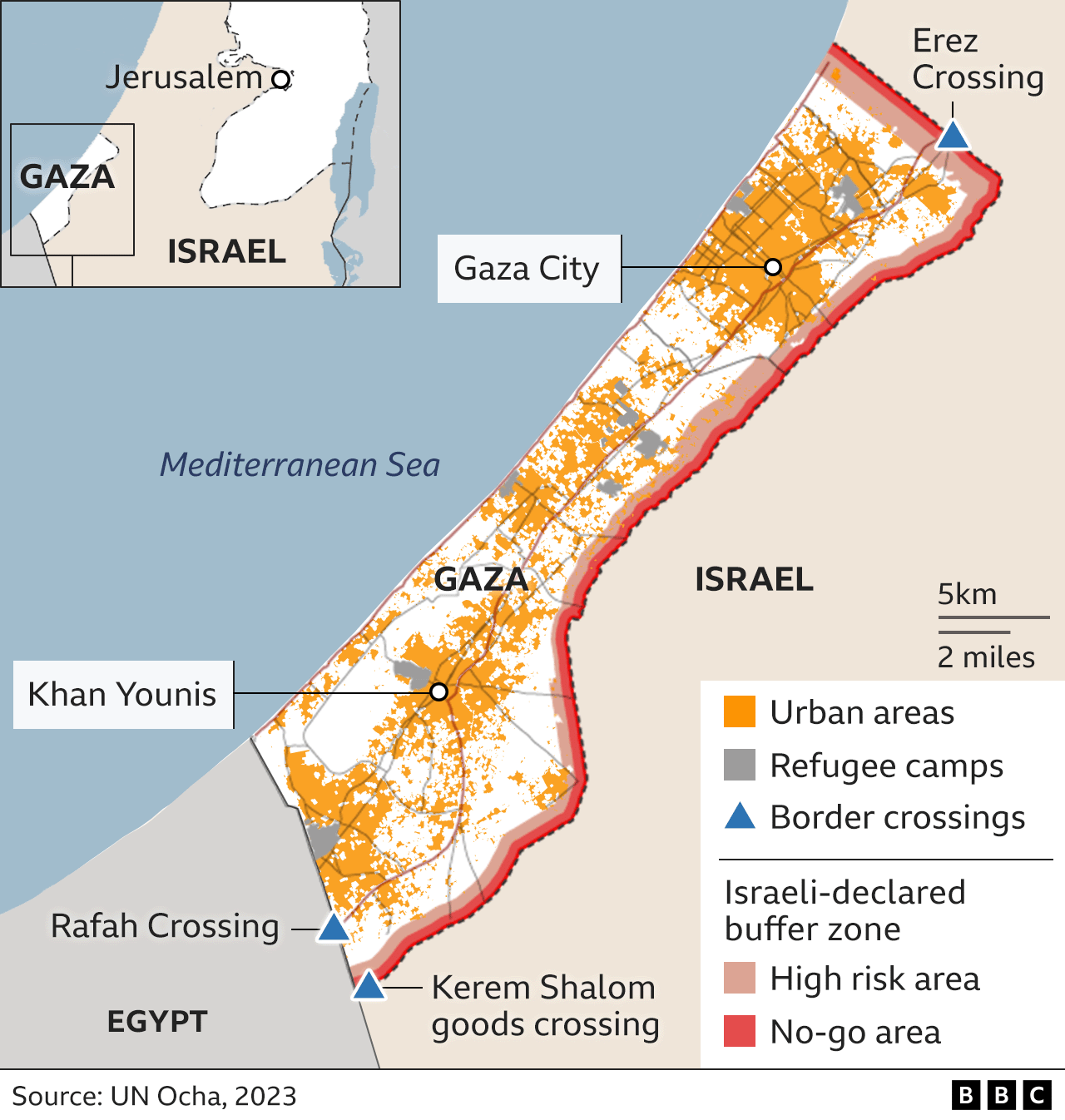
Iran continues to assert de facto control over transit through the Strait of Hormuz. They claim it as territorial waters, totally ignoring the UN Convention on the Law of the Sea. During the height of the fighting, Iran proved it could effectively shut down global shipping lanes, and it can do it again instantly.
Consider what Iran can deploy right now.
- Asymmetric Naval Swarms: Thousands of fast attack craft armed with anti-ship missiles can overwhelm Western naval defenses through sheer volume.
- Smart Sea Mines: Inexpensive, easily deployed mines can paralyze commercial shipping. No commercial oil tanker insurance company will clear a vessel to enter the Persian Gulf if a single mine detonates.
- Undersea Infrastructure Threats: Recent intelligence reports highlight Iranian capabilities targeting undersea internet and communication cables running beneath the strait, a move that could disrupt global financial data flows.
A renewed strike means the immediate re-closure of the strait. Energy prices would spike globally, instantly wiping out any domestic economic victories Trump wants to claim at home.
The Axis of Resistance Can Still Inflict Serious Pain
During the initial 40 days of combat, Iran and its regional proxies fired roughly 650 ballistic missiles at Israel. Many carried cluster munitions specifically designed to bypass air defenses and cause maximum disruption. While the Iron Dome and regional US asset interceptions mitigated the worst-case scenarios, the sheer volume of fire injured thousands of civilians and displaced over 5,500 people.
If strikes resume, Iran will not limit its targeting to Israel. We already saw Tehran expand its strike envelope across the entire Gulf, hitting targets near US installations and civilian infrastructure in Bahrain, Kuwait, Qatar, and the UAE.
Just days ago, the UAE intercepted two Iranian drones, and Kuwait reported hostile tracks in its airspace. Iran also struck a commercial cargo vessel off Qatar. Tehran’s message to its neighbors is simple: if the US uses your bases or your airspace to bomb us, we will drag you down with us.
This regional vulnerability explains why leaders in Riyadh, Abu Dhabi, and Doha are actively calling Trump to hold back. They know that a hot war means their multi-billion-dollar infrastructure, like the UAE's nuclear power plants, becomes a target.
Why Regime Change from the Skies is a Myth
There are elements within Washington and Jerusalem pushing hard for total regime change in Iran. Trump himself openly endorsed the idea, claiming it would be the "best thing that could happen." The US even tried to implement a rapid decapitation strategy, a variation of the intervention model used recently in Venezuela.
The problem? Iran isn't Venezuela.
Decapitation strikes have successfully eliminated several high-ranking Iranian officials, but this has actually complicated the path to peace. By killing off the institutional figures who possessed the authority to negotiate, the US has left itself with no viable, moderate counterparts inside the country.
Western allies are sharply divided on this approach. While some European and Canadian leaders offer verbal support for a transition, UK Prime Minister Keir Starmer rightly pointed out that "regime change from the skies" is a dangerous illusion.
Trying to bomb a government out of existence without a massive ground invasion usually results in a failed state. A chaotic, fragmented, nuclear-adjacent Iran with 80 million people would turn the Middle East into a permanently destabilized war zone. That is a nightmare scenario for global security, and America's regional allies know it.
The Path Out of the Deadlock
Right now, both Washington and Tehran are trapped by their own rhetoric. Trump cannot back down without looking weak to his domestic base, and Iran's leadership cannot accept a deal that requires total capitulation without triggering internal collapse.
To break this cycle, the focus needs to shift toward a realistic, phased stabilization framework rather than demanding an all-or-nothing grand bargain.
First, Washington must accept that any viable deal will require a phased approach to Iran’s highly enriched uranium, likely involving its transfer to a third party like Russia, rather than an immediate, humiliating surrender of all nuclear infrastructure. Second, regional Gulf states must be given a direct seat at the negotiating table to guarantee maritime security in the Strait of Hormuz, turning a bilateral standoff into a multilateral regional agreement.
If you are tracking this conflict, stop looking at the daily social media warnings and look at the actual movement of commercial shipping and regional diplomatic cables. Watch how Oman and Pakistan handle the backchannel drafts over the coming days. The true indicator of peace won't be a dramatic breakthrough announcement; it will be whether the US is willing to quietly adjust its demands from total capitulation to manageable containment.