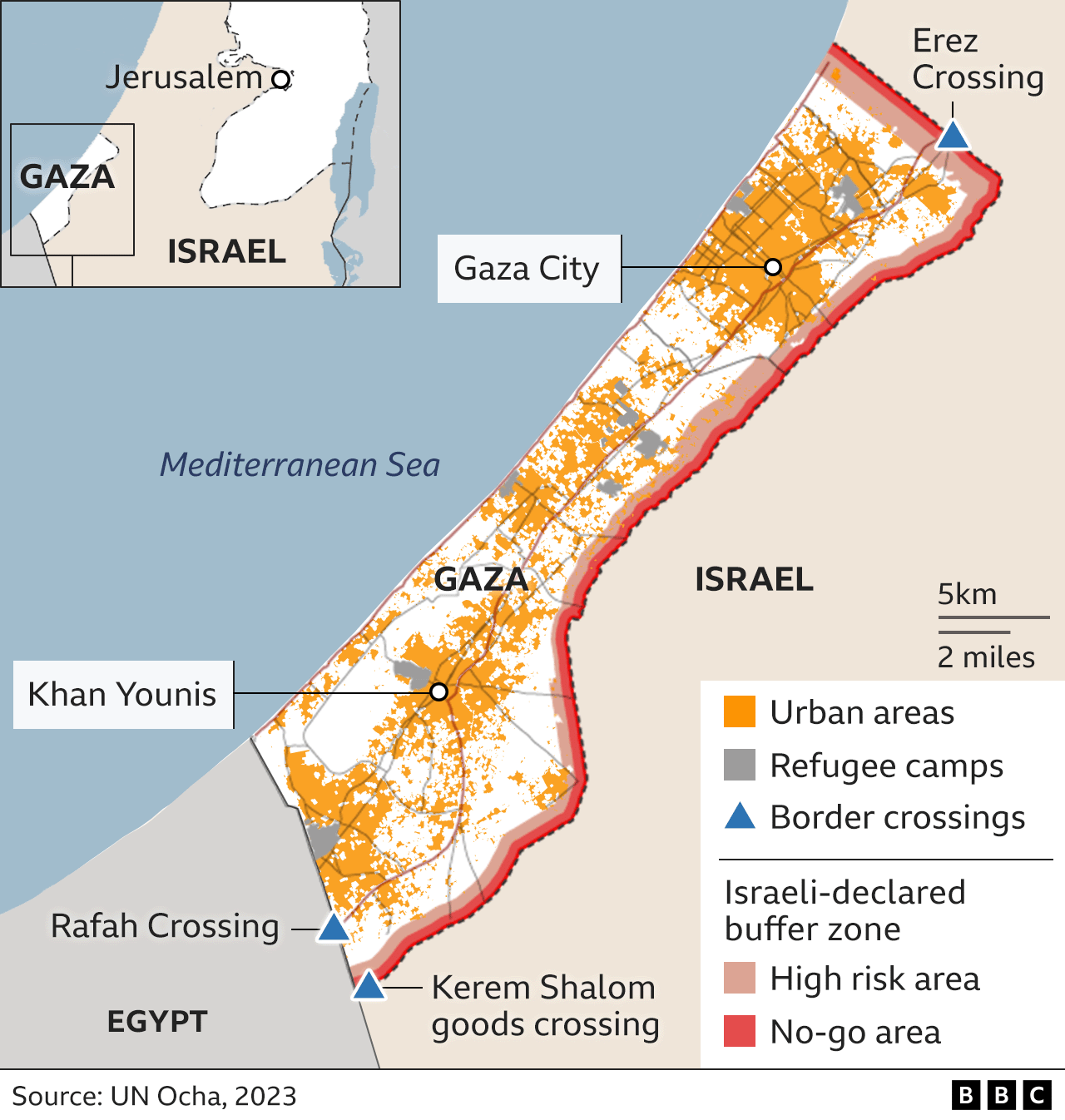
A thirty-second video clip drops on social media. The camera shakes. Muffled bangs echo in the distance. Water splashes near the bow of a civilian vessel. Instantly, the global media machine spins into a predictable frenzy. Headlines scream that naval forces opened fire on an innocent aid mission. The consensus solidifies within minutes: this is a clear-cut case of unprovoked aggression against humanitarian saints.
It is a neat, emotionally satisfying narrative. It is also dangerously naive.
The lazy consensus surrounding maritime intercept operations in conflict zones treats complex naval engagements like a street-level traffic stop. The public, fueled by armchair analysts on TikTok, demands a black-and-white morality play. But the reality of running a naval blockade in a high-intensity theater of war does not fit into a fifteen-word headline. When you strip away the outrage and look at the hard physics, international maritime law, and tactical realities of asymmetric warfare, the prevailing narrative collapses.
The media is asking the wrong question. They want to know who fired the shots. The real question is why a civilian vessel deliberately engineered a high-stakes kinetic confrontation in a live combat zone, and why anyone is surprised by the inevitable result.
The Fatal Flaw of the Thirty-Second Clip
Modern conflict is fought on two fronts: the physical mud and water, and the digital information space. The latter is where the actual strategic victories are won. Media outlets routinely analyze tactical footage in total isolation, completely detached from the minutes, hours, and days of operational context leading up to the trigger pull.
I have spent years analyzing operational security and maritime risk. If there is one universal truth in theater operations, it is that a video clip starting exactly when the shooting begins is a curated piece of propaganda, not a documentary.
To understand why warning shots occur, you have to understand the concepts of Closest Point of Approach (CPA) and the Interception Matrix.
When a vessel enters a declared blockade zone, naval commanders do not just open fire. A strict, legally mandated escalation of force protocol takes place:
| Phase | Action taken by Naval Force | Purpose |
|---|---|---|
| 1. Radio Contact | Continuous broadcasting on marine hailing frequencies (VHF Channel 16). | Establish intent and order redirection. |
| 2. Visual Signaling | Flashing lights, flares, and direct bridge-to-bridge laser hailing. | Ensure the vessel cannot claim "radio failure." |
| 3. Non-Kinetic Maneuvering | Cutting across the bow, creating wake interference. | Physically blocking the path without damage. |
| 4. Warning Shots | Firing into the water ahead of or alongside the vessel. | The final, unmistakable signal to stop before destructive force is used. |
When a headline screams that forces "fired shots," it deliberately omits the three prior phases of the matrix. It ignores the hours of ignored radio warnings. It ignores the blatant refusal to alter course. By the time a deck gun fires a round into the water, the civilian vessel has already breached every standard maritime safety protocol in existence.
The Asymmetric Weaponization of Humanitarian Aid
Let us dismantle the myth of the completely neutral aid vessel. In the gray-zone warfare defining 21st-century conflicts, humanitarian cargo is frequently used as a kinetic shield.
This is not a slur against the well-meaning volunteers on board; it is a cold statement of strategic reality. Asymmetric actors—whether we are talking about smugglers in the Mediterranean, cartel supply lines in the Pacific, or militant factions in the Middle East—know exactly how to exploit Western adherence to the laws of armed conflict. They understand that a navy cannot easily sink a civilian ship without suffering catastrophic reputational damage.
Therefore, the ship itself becomes the weapon. Its goal is not necessarily to deliver the flour or the medical supplies; its goal is to provoke a kinetic response on camera.
A Lesson from History: Look back at the 2010 Mavi Marmara incident. Activists claimed a purely humanitarian mission. The operational reality revealed a calculated attempt to break a naval blockade, resulting in a violent clash that achieved exactly what the organizers wanted: international condemnation of the blockading force.
When a flotilla refuses to divert to an authorized port—where its cargo can be screened for dual-use contraband like rocket components or signaling equipment—it ceases to act as a humanitarian mission. It becomes a hostile actor defying a legal blockade. Under San Remo Manual guidelines on international law applicable to armed conflicts at sea, a blockading power has the absolute right to intercept any vessel attempting to breach the zone.
The Physics of Maritime Interception
People look at a video of a massive naval cutter next to a wooden fishing boat or a small cargo vessel and see a bully dynamic. This is a profound misunderstanding of maritime physics.
A multi-thousand-ton naval vessel cannot stop on a dime. It cannot turn instantly. If a civilian vessel behaves erratically, cuts inside the naval ship's turning radius, or ignores steering commands, it poses an immediate existential threat to both crews.
Furthermore, suicide boat attacks using waterborne improvised explosive devices (WBIEDs) have fundamentally altered naval doctrine. Commanders remember the USS Cole. They watch the extensive use of explosive naval drones in modern maritime conflicts. When an unidentified or non-compliant vessel ignores orders and closes the distance to a naval asset, a commander has exactly ninety seconds to determine if they are dealing with a passionate peace activist or a packed hull of high explosives.
If a commander waits until they can visibly see the cargo to make that distinction, their crew is already dead.
Dismantling the "People Also Ask" Illusions
The public discourse around these events is plagued by questions that rest on completely broken premises. Let us answer them honestly.
"Why can't the navy just board the ship peacefully?"
Because "peaceful boarding" is an oxymoron when a vessel refuses to stop its engines. Conducting a Non-Compliant Boarding (NCB) operation is one of the most high-risk maneuvers in military doctrine. Operators must fast-rope from helicopters or climb pilot ladders from rigid-hull inflatable boats onto a pitching deck, while the target vessel is actively evasive. If the ship's crew resists, it instantly escalates to hand-to-hand combat over a live engine room. Warning shots are fired precisely to avoid the meat-grinder reality of a non-compliant boarding.
"Aren't blockades illegal under international law anyway?"
No. This is a common talking point that collapses under legal scrutiny. Blockades are a fully recognized method of warfare under international law, provided they are declared, managed effectively, applied impartially, and do not intentionally cause starvation of the civilian population. If a blockading force provides alternative routes for verified humanitarian aid to pass through land checkpoints after security screenings, the maritime blockade remains entirely legal. Defying it is an illegal act.
"Why did they use live ammunition for warning shots?"
Blank ammunition does not produce the necessary visual or acoustic signature at sea. Water absorbs sound efficiently, and the roar of marine diesel engines can easily drown out small-arms fire. A warning shot requires a high-caliber round hitting the water near the vessel, creating a visible geyser of spray and a distinct shockwave. It is designed to be impossible to ignore.
The Realist’s Compromise
Is this system perfect? Absolutely not. The downside of the realist approach is that it accepts a brutal margin for error. In a high-stress littoral environment, a warning shot can be miscalculated. A ricochet can hit a deck. A nervous gunner can misinterpret a sudden course correction as a ramming maneuver and open fire in earnest.
It is a grim business. But the alternative—allowing unvetted, non-compliant vessels to pass unchecked into an active combat theater—is an operational impossibility for any sovereign military force.
If you want to deliver aid safely, you follow the established deconfliction channels. You submit to cargo manifests. You dock at the designated neutral ports. You cooperate with the authorities controlling the airspace and sea lanes.
When you choose to skip those steps, film the encounter, and ignore the booming loudspeaker warnings from a warship, you are no longer a humanitarian. You are a stunt coordinator. And you should not be shocked when the script involves live ammo.


