We love a good public redemption arc. The media feeds on them.
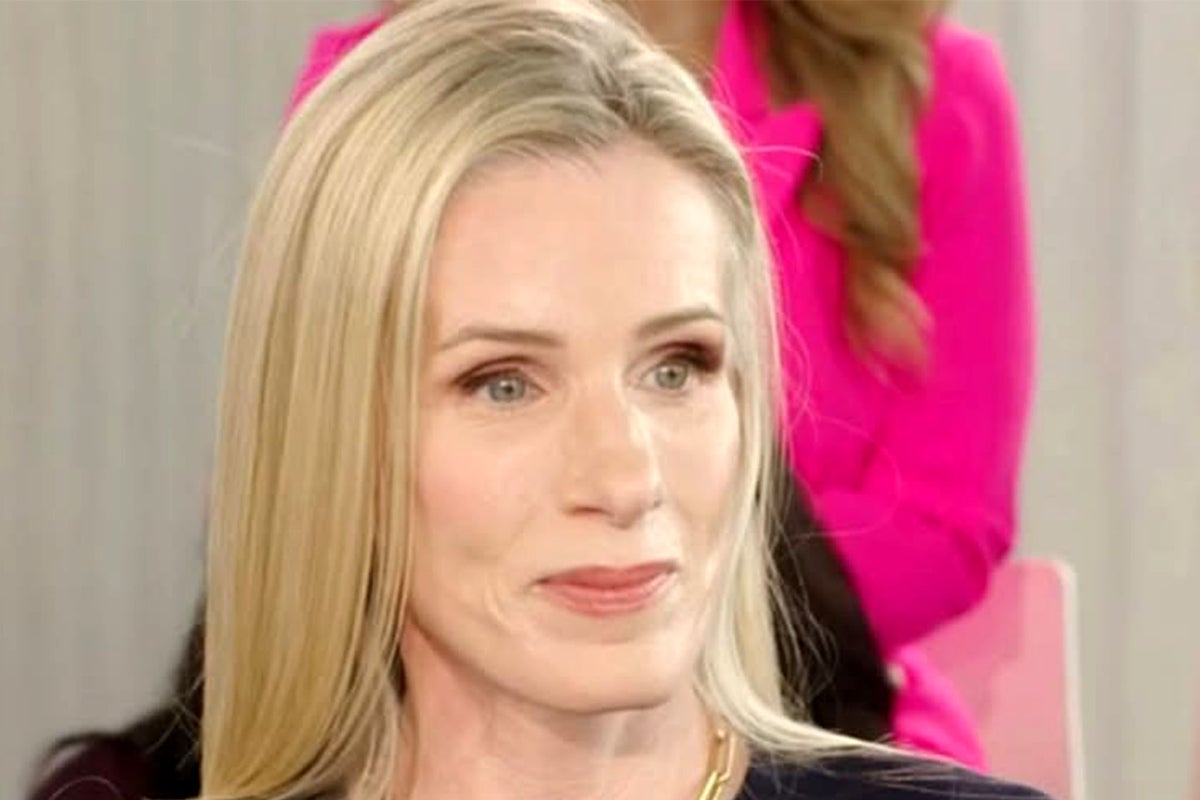
Case in point: the hyper-fixation on the so-called "Coldplay Lady"—the woman who became a viral meme after an emotional Jumbotron moment at a concert, vanished under the weight of internet scrutiny, and recently made her "triumphant" return to live music, proudly proclaiming she is "still a hot mess."
The mainstream take on this is predictable. Standard entertainment blogs treat it as a heartwarming story of resilience. They frame it as a victory for mental health awareness and self-acceptance in the digital age.
They are entirely wrong.
This isn't a story about overcoming internet bullying. It is a symptom of a much larger, more irritating cultural shift. We have turned live music into a backdrop for personal branding. The modern concert is no longer about the artist on stage; it is about the audience desperately trying to be seen seeing them.
The Myth of the Innocent Viral Moment
The lazy consensus tells us that audiences are passive victims of the algorithms. We are told to feel deep empathy for anyone caught in the crosshairs of a viral moment.
Let's look closer at the mechanics of the modern arena show.
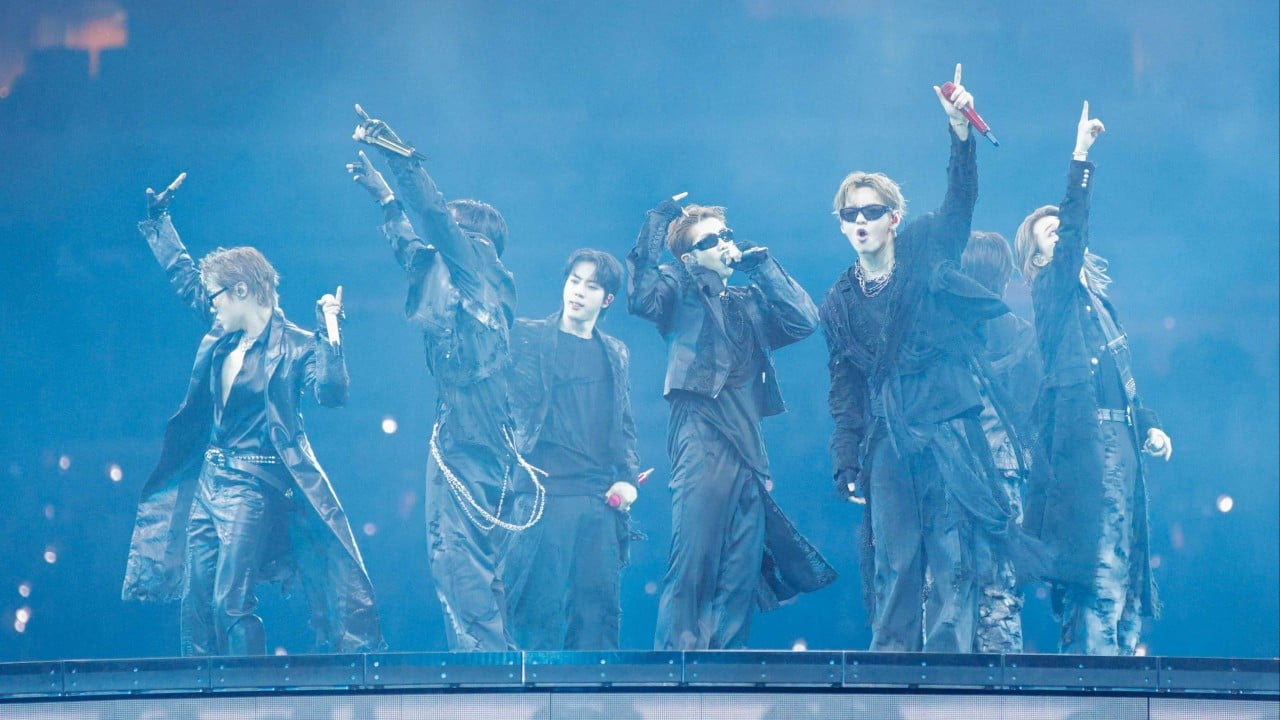
Live Nation and major touring acts do not use Jumbotrons just so the people in the nosebleeds can see Chris Martin's sweat glands. They use them to engineer emotional engagement. The cameras actively hunt for extreme reactions—sobbing teenagers, couples proposing, people having existential crises during a B-side.
When you lean entirely into that camera, you are entering an unspoken contract with the attention economy.
"The moment you turn your back on the stage to ensure your reaction is captured on screen, you stop being a fan. You become an unpaid extra in the band’s promotional material."
The "hot mess" narrative is a defense mechanism. It weaponizes vulnerability to deflect from a simple truth: the modern concertgoer is suffering from severe main character syndrome.
The Economy of Public Emotionalism
I have spent fifteen years backstage, in production offices, and managing crowd logistics for festivals that draw six-figure crowds. I have watched the evolution of audience behavior from the front-of-house barrier.
A decade ago, if someone was sobbing hysterically in row four, security checked on them to make sure they hadn't lost their friends or taken something bad. Today, if someone is sobbing hysterically, they are doing it with one eye on the steadicam operator.
We have commodified emotional extremity.
The Performance Metrics of a Modern Fan
- The Pre-2015 Fan: Watches the show. Sings along. Keeps their eyes on the stage.
- The Post-2022 Fan: Faces the crowd. Records themselves crying. Tracks their post-concert engagement metrics before the encore.
This isn't just annoying; it changes the actual physics of a live event. When the energy of a crowd shifts from a collective experience focused on the stage to thousands of individual micro-performances focused on a screen, the communal magic of live music dies.
The "People Also Ask" Flaw: Is Concert Etiquette Really Dead?
If you search for modern concert trends, you see the same frantic questions popping up: Why are concert crowds so aggressive now? Why are people throwing things at artists? How do I survive a stadium show?
The internet tries to blame this on a post-pandemic lack of socialization. That is a lazy excuse.
The real reason concert etiquette has collapsed is that platforms like TikTok have taught audiences that negative attention is just as valuable as positive attention. If standing quietly and enjoying a guitar solo gets you zero views, but screaming over a ballad or having a highly visible meltdown gets you featured on an official tour recap video, the rational actor chooses the meltdown.
The "Coldplay Lady" return tour is just the sanitized, corporate-friendly version of this phenomenon. It validates the idea that the arena is a therapy session where the music is merely background noise for your personal breakthrough.
The Invisible Cost of Content-First Concerts
There is a downside to calling this out, of course. If you ask people to put their phones away and stop treating a stadium like their living room, you get labeled an elitist. You get told you are "gatekeeping joy."
But let's look at the actual data of live entertainment economics. Ticket prices have skyrocketed by over 140% in the last decade, far outstripping inflation. When you pay $300 for a seat, you are paying for the production value, the artist's labor, and the venue's infrastructure.
You are not paying to watch the person next to you scream-cry into their front-facing camera for two hours while trying to catch the eye of the production crew.
Imagine a scenario where you go to a movie theater, and the person in front of you stands up, turns around, and starts weeping intensely at the audience to show how deeply they are moved by the cinematography. They would be removed by security. In a stadium, we give them a profile piece and a follow-up interview twelve months later.
Stop Celebrating the Spectacle of the Self
We do not need more articles celebrating people who make stadium shows about themselves. We do not need to normalize the idea that being a "hot mess" at a public event is a badge of honor that deserves a digital victory lap.
If you want to fix the toxic state of live music, the solution isn’t more corporate empathy or curated viral redemption arcs.
The solution is boredom.
The next time the Jumbotron pans to a fan having an engineered existential crisis, look away. Turn back to the stage. Stop feeding the machine that values the reaction more than the action.
The artist is under the spotlights for a reason. You paid to see them. Stop trying to make them pay to see you.