You don't wait for a war to finish if you want to own the recovery. While Western governments pull back and issue sanctions on warring factions, Beijing moves differently. China is quietly securing early infrastructure and port deals in Sudan to lock in a long-term strategic advantage along the Red Sea corridor. This isn't just about charity or simple construction contracts. It's a calculated masterclass in securing future economic dominance while everyone else sits on the sidelines.
The Real Motive Behind the Port Deals
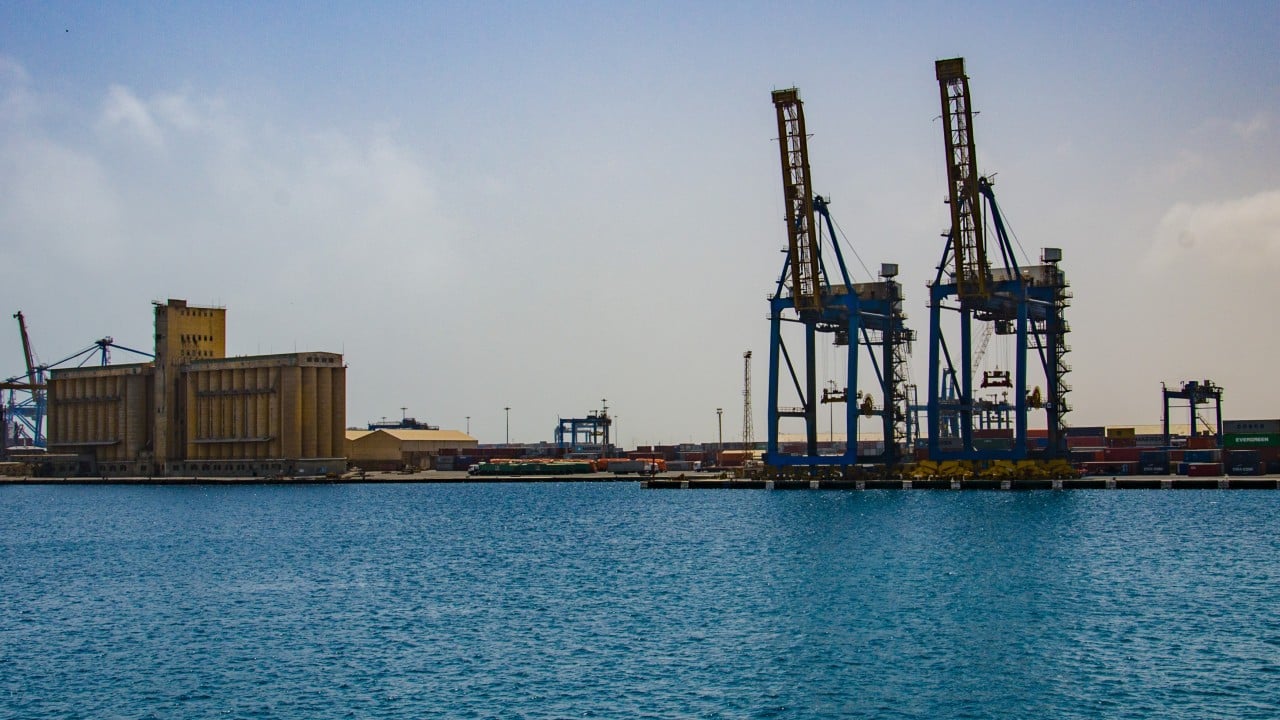
Look at what's actually happening on the ground. Sudan signed a major infrastructure agreement with China Harbour Engineering Company to upgrade and expand Port Sudan. The port handles critical trade flows and sits on one of the busiest maritime chokepoints in the world. Before these agreements, Sudan's external debt ballooned past fifty billion dollars, and Western funding froze entirely due to the ongoing civil conflict.
Beijing steps into this vacuum with a clear playbook. By waiving minor loans—such as a recent cancellation of roughly fifty million dollars in interest-free debt—China builds immense diplomatic goodwill with the Sudanese Armed Forces-led government. It is a drop in the ocean compared to the total debt, but it buys enormous political leverage. When the conflict eventually winds down, the companies already holding the keys to the ports and energy pipelines will dictate the terms of trade.
High Risks and Pragmatic Calculations
Critics argue that betting on a war-torn nation is reckless. They point out that the China National Petroleum Corporation previously sought to pull back from certain oil blocks and pipelines after severe facility looting. But Beijing operates with a much higher risk tolerance than Western or Gulf investors. While Western actors try to shape political outcomes or demand democratic transitions before investing, Chinese state firms focus purely on physical assets and long-term resource corridors.
This pragmatism extends beyond maritime logistics. Reports point toward potential deals involving mineral wealth, including copper and rare earth elements. Sudan holds vast, largely unexplored mineral deposits. China consumes a massive share of the world's refined copper for its power grids and electric vehicle manufacturing. Securing concession agreements now means Beijing locks down supply chains before global competitors even re-enter the market.
What This Means for Global Trade Routes
The Red Sea remains volatile, yet major logistics players know that resilient infrastructure wins decades down the line. By embedding themselves directly into Port Sudan's rehabilitation, Chinese firms ensure that future trade routes, mineral exports, and regional transit hubs run through their engineering footprint.
Khartoum gets the immediate political recognition and symbolic backing it desperately needs to project legitimacy. Beijing gets a secured foothold in East Africa that outlasts temporary political instability. Stop looking at these moves as short-term reactions to a crisis. They are foundational blocks for the next thirty years of geopolitical influence.
China Is Expanding One of Africa's Largest Oil Export Ports
This video provides a helpful visual overview of how China is expanding and modernizing Port Sudan to secure its strategic maritime footprint.