Diplomatic statements calling for "positive momentum" sound polite on paper, yet behind closed doors in Thimphu and Beijing, every ridge and pasture carries serious strategic weight. When negotiators from China and Bhutan met for the 16th round of their Expert Group Meeting alongside the 4th meeting of the Joint Technical Team on Delimitation and Demarcation in October 2026, they were trying to move a decades-old impasse forward without triggering alarms in New Delhi.
If you only read short wire dispatches, it's easy to think a final border deal is right around the corner. Honestly, it's not that simple. Bhutan and China still don't have formal diplomatic ties, and the disputed patches along their roughly 470-kilometer boundary sit right next to some of South Asia's most sensitive military corridors. Meanwhile, you can read other developments here: School Shooting Reporting by the Numbers Why Headlines Miss System Failures.
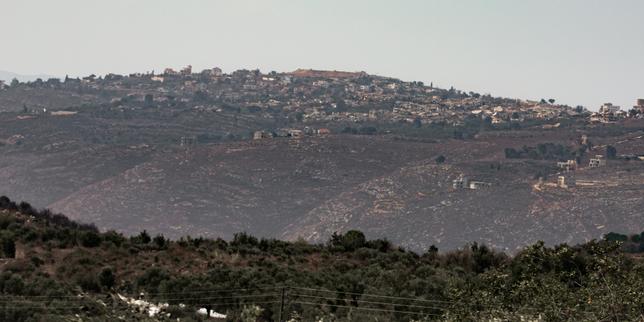
Look at that map and you immediately see Bhutan's squeeze play. High Himalayan peaks run across the north bordering China, while India wraps around the west, south, and east. For Bhutan, drawing a clear line isn't just about cartography—it's about sovereignty, security, and keeping its tightrope walk between two giants intact. To understand the full picture, check out the recent report by The New York Times.
What the China and Bhutan Border Talks Actually Cover
Since negotiations began back in 1984, talks between Thimphu and Beijing have stretched across dozens of rounds of formal meetings, expert sessions, and technical discussions. Progress slowed badly after the 2017 Doklam military standoff between Indian and Chinese forces and then stalled further during COVID-19. In October 2021, both sides signed a Memorandum of Understanding on a Three-Step Roadmap to speed things up.
That three-step sequence sounds straightforward enough: agree on the alignment on paper first, visit the sites on the ground second, and formally demarcate the border third. In practice, each step tests how much ground Bhutan is willing to trade and how much leverage China wants to keep.
- The Western Sector (Doklam and Chumbi Valley): This is the flashpoint. Doklam sits near the tri-junction where Bhutan, India, and China meet, overlooking India's narrow Siliguri Corridor—often called the "Chicken's Neck"—which connects mainland India to its northeastern states.
- The Northern and Central Sectors: Areas like Jakarlung and Pasamlung have long been central to package-deal proposals where China offered concessions in the north in exchange for shifting territory closer to the western tri-junction.
- The Eastern Surprise: In 2020, Beijing objected to Global Environment Facility funding for Bhutan's Sakteng Wildlife Sanctuary in the east, claiming the area was disputed. Thimphu rejected that claim outright, and the move made clear that China's territorial pressure isn't confined to just one corner of the map.
Here's a mistake plenty of observers make: treating "positive momentum" as proof that the hardest disputes are solved. Diplomatic readouts almost always use warm language when both sides agree to keep talking and schedule another round. Technical teams can map coordinates and review surveys without settling who gets strategic high ground.
Why India Watches Every Move in Thimphu
You can't read a boundary update between China and Bhutan without factoring in India. Under the 1949 Treaty of Friendship and its updated 2007 version, India and Bhutan maintain close coordination on foreign policy and security, and India has long served as Bhutan's primary development partner and military backstop.
When China builds roads, outposts, or settlements near disputed zones, New Delhi pays close attention because a shift near Doklam or the Chumbi Valley changes India's defensive geometry. Reports covering border developments—such as ThePrint's reporting on the October 2026 expert talks and India Today's coverage of the three-step roadmap—highlight how closely regional analysts track every signal out of Thimphu and Beijing.
Bhutanese leaders have repeatedly stressed that any settlement won't come at India's expense, and that tri-junction questions like Doklam involve three parties, not two. That's a tricky balancing act. Bhutan wants a settled border so its herders, foresters, and local communities know where sovereignty begins and ends, yet moving too fast on sensitive western terrain could strain ties with New Delhi.
The Bigger Picture Behind Beijing's Boundary Strategy
Beijing has resolved land border disputes with twelve neighboring countries, leaving India and Bhutan as the two major holdouts. With Bhutan, China holds a massive size and power advantage, and it's used infrastructure, patrol networks, and diplomatic pressure over the years to shape facts on the ground.
At the same time, Beijing has shown willingness to keep talks moving when it sees a path to a long-term settlement or closer regional engagement. Whether that leads to a real breakthrough or just another round of careful posturing depends on how both sides handle two stubborn questions: formal diplomatic relations and tri-junction boundaries.
Bhutan has historically kept diplomatic distance from permanent UN Security Council members to protect its autonomy. Even if border demarcation advances, opening full embassies or ties with Beijing remains politically delicate.
Practical Ways to Track Future Talks
If you're following this dispute for research, business, or regional security analysis, don't rely on single-day press statements. Watch for concrete signals instead:
- Check who's meeting: Technical and expert group rounds handle mapping and site logistics, while foreign minister or prime ministerial engagements signal political will.
- Look for specific geographic names: Vague mentions of "positive progress" mean little on their own; mentions of specific valleys, passes, or tri-junctions tell you where real friction sits.
- Read Bhutanese and Indian reactions together: Official statements from Thimphu, Beijing, and New Delhi rarely tell the exact same story in the same tone, so comparing them gives you a much clearer picture of what actually moved.