When Utah health officials dropped the hammer linking semi-synthetic kratom products to four deaths, the mainstream media did what it always does. They found a bogeyman, slapped a warning label on it, and called it a public safety crisis. The lazy consensus writes itself: exotic botanical gets synthesized, people get hurt, ban the substance.
It is a clean narrative. It is also dangerously wrong. Don't forget to check out our recent post on this related article.
I have spent years watching regulatory bodies chase symptoms while completely ignoring the structural disease of an unregulated gray market. Fixating on the semi-synthetic tag or the botanical leaf itself is a masterclass in missing the forest for the poisonous tree. The four deaths in Utah are not an indictment of Mitragyna speciosa or its derivatives; they are a predictable casualty of a completely broken supply chain engineered by prohibition and neglect.
The Chemistry Problem Nobody Wants to Discuss
Let us clear up the terminology immediately because confusion is the currency of bad policy. Traditional kratom is a botanical product containing mitragynine and 7-hydroxymitragynine, alkaloids acting on opioid receptors with distinct ceiling effects compared to full agonists. Semi-synthetic versions, often isolates like 7-hydroxymitragynine pushed to high concentrations, change the pharmacological profile. They remove the plant matrix, stripping away natural antagonists that historically limited abuse liability. To read more about the context here, Mayo Clinic provides an informative breakdown.
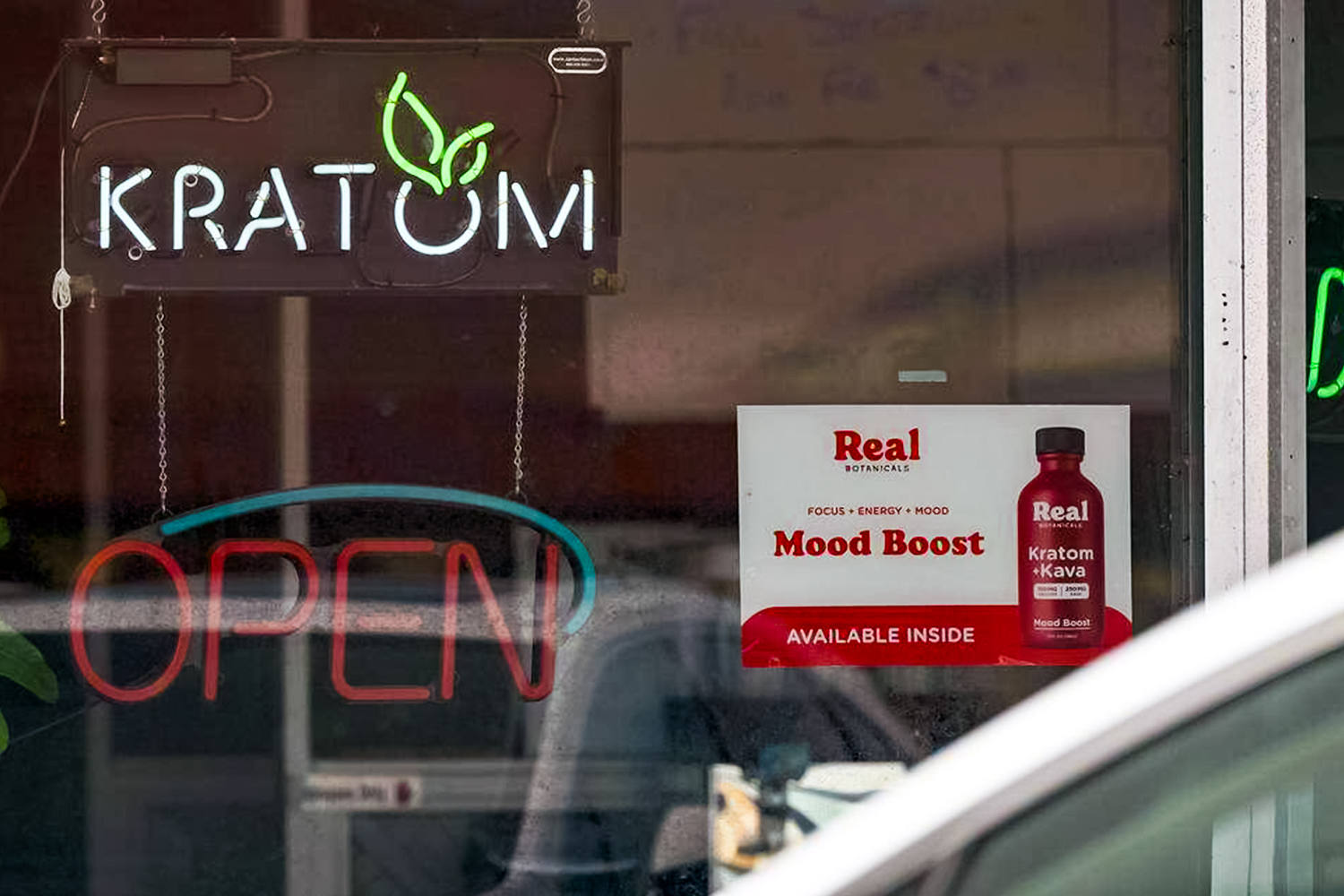
When you isolate an active alkaloid and concentrate it by five hundred percent without pharmaceutical oversight, you are no longer talking about herbal tea. You are talking about an unverified research chemical sold in gas station checkout lines next to enhancement pills and delta-8 gummies.
Yet, pointing the finger solely at the chemical structure is a cop-out. The real villain is the total absence of product standardization, heavy metal screening, and batch verification. When a market operates in the dark, contamination and deceptive dosing are guaranteed. People did not die because a plant alkaloid is inherently lethal at standard botanical doses; they died because they ingested unregulated cocktails produced in unregulated labs where quality control consists of a prayer and a profit margin.
The Regulatory Vacuum That Creates Body Counts
Imagine a scenario where the alcohol industry operated with zero FDA oversight, no age verification, no ingredient lists, and random home-brewers selling moonshine spiked with industrial solvents out of the trunks of their cars. Alcohol poisoning would skyrocket. Would we blame ethanol, or would we blame the complete deregulation of production?
Utah officials want to frame this as a toxicity problem. It is actually a distribution and labeling catastrophe. By treating all kratom variants as a monolith, regulators miss the exact nuance that could save lives: product differentiation and rigorous manufacturing standards.
When you criminalize or demonize the entire category, you do not eradicate consumption. You simply push it further underground into the black market, where safety standards drop from poor to non-existent. Consumers trading safe, tested leaf material for mystery-powder extractions do so because a heavy-handed, moralistic regulatory approach creates a perverse incentive for manufacturers to produce stronger, more clandestine products to bypass arbitrary state restrictions.
The Uncomfortable Truth About Consumer Personal Responsibility
Let us address the other side of the equation, because contrarianism requires brutal honesty, not just institutional bashing. The consumer advocacy community loves to pretend that every person taking high-potency extracts is an informed bio-hacker making optimized wellness choices.
That is nonsense.
I have watched otherwise intelligent adults walk into a smoke shop, purchase an alkaloid extract with zero dosage guidance, consume the entire dropper because more equals better, and end up in an emergency room with respiratory depression or severe hepatic strain. The modern wellness and supplement culture has cultivated a dangerous mindset: if it is natural or legal to buy next to a pack of beef jerky, it must be completely benign.
That is a fatal delusion. Concentrated 7-hydroxymitragynine extracts demand the same respect, dosing precision, and pharmacological caution as prescription pharmaceuticals. Pretending otherwise empowers predatory manufacturers who slap "not for human consumption" disclaimers on products designed explicitly to be swallowed by humans looking for a heavy high.
What Real Reform Looks Like
If Utah actually cared about preventing the fifth, tenth, and hundredth death instead of scoring political points with an easy headline, they would stop chasing bans and start demanding manufacturing accountability.
True safety comes from mandatory third-party lab testing, strict limits on alkaloid concentrations per serving, transparent labeling of exact mitragynine and 7-OH percentages, and severe criminal penalties for companies marketing adulterated products. If a manufacturer cannot provide a certified certificate of analysis proving their product is free of residual solvents, heavy metals, and bacterial contamination, their inventory should be seized and their business shut down permanently.
Stop blaming the molecule for the mess created by our refusal to regulate the market intelligently. As long as regulators treat botanical adaptation like a moral crusade instead of a manufacturing challenge, the body count will keep climbing.
Demand purity. Enforce standards. And stop pretending that legislative ignorance is public health policy.