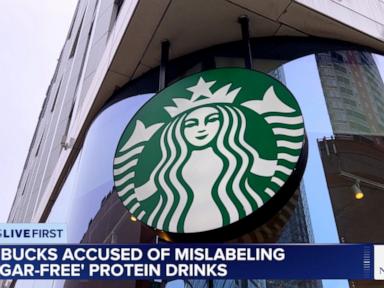
Another week, another class-action lawsuit filed by people who refuse to read ingredient labels or understand what enters their own bodies. The latest legal target is Starbucks, dragged into a Seattle federal court over accusations that its "sugar-free" protein beverages contain up to twenty-one grams of sugar. The headlines shriek about deception, comparing the sugar content to candy bars.
Consumers are outraged. Lawyers are salivating. And everybody is missing the fundamental physiological reality of dairy.
Here is the dirty secret that corporate PR departments are too timid to shout from the rooftops: you cannot have liquid dairy protein without milk sugar, unless you chemically strip the base liquid into a sterile, watery ghost of itself. When Starbucks defends itself by pointing out that the sugar originates naturally from the protein-boosted milk base while the flavor syrups remain sugar-free, they are telling the literal, unvarnished truth.
Yet the public reaction exposes a deep, embarrassing baseline nutritional illiteracy.
The Modifier Fallacy
Let us define terms, since the legal system and the plaintiff bar seem entirely incapable of doing so.
In English grammar, a modifier applies to the noun closest to it. When a menu boards a drink as a "Sugar-Free Vanilla Latte," the modifier "sugar-free" modifies the flavor component—the vanilla syrup—not the underlying agricultural product of a mammalian cow. Dairy milk contains lactose, which is a sugar. This is not a corporate conspiracy; this is basic high school biology. Lactose is a disaccharide composed of glucose and galactose. It lives inside milk because cows do not produce ultra-filtered, zero-carb chemical substrates. They produce milk.
If you order a beverage built on a dairy foundation, you are consuming dairy carbohydrates. Period. Expecting a commercial coffee chain to magically violate the laws of biochemistry because they pumped in a dose of whey or dairy-based protein isolate is peak magical thinking.
I have watched companies waste millions redesigning menu boards and fighting frivolous litigation over consumer innumeracy. The plaintiffs want a world where words mean whatever comforting fiction they prefer in the moment. If a label says sugar-free syrup, they translate it in their heads to mean "this entire 16-ounce liquid confection has zero molecular trace of carbohydrates." That is not corporate fraud. That is consumer delusion paired with an aggressive appetite for settlement money.
The Dietary Dogma Trap
The broader cultural panic around sugar has warped public perception into a binary cartoon. People treat sugar like radiation—any exposure, no matter the source, is toxic.
Lactose behaves entirely differently in the human body compared to high-fructose corn syrup or refined cane sugar. It has a lower glycemic index. It is bound up with fats and proteins that slow digestion. Yet, wellness culture has trained millions of people to look at a nutritional breakdown, see twenty grams of carbohydrates, and panic as if they just mainlined a soda.
Imagine a scenario where a consumer walks into a café, orders a heavy protein-fortified dairy drink, and genuinely believes that adding a sugar-free pump of vanilla syrup strips away the inherent milk sugars already present in the liquid base. It is an absurd expectation. It is equivalent to ordering a steak and suing the restaurant because the meat contains natural fats.
The lawsuit leans heavily on the assumption that the average buyer is incapable of parsing ingredient disclosures. And tragically, they are right about the capability, but wrong about the blame. The average buyer does not want to think. They want an aesthetic lifestyle accessory that tastes like a milkshake while carrying the psychological absolution of fitness branding.
Stop Outsourcing Your Metabolism
If you have metabolic conditions, diabetes, or strict dietary thresholds, outsourcing your vigilance to a multinational coffee chain is an extreme sport. Relying on shorthand menu labels instead of examining nutrition facts is professional negligence toward your own health.
Starbucks is guilty of many things—mostly overpricing average roast profiles and commercializing burned beans. But they are not guilty of inventing lactose.
The fix here is not forcing cafes to rewrite the English language or print disclaimers the size of a paperback novel next to every menu item. The fix is accepting personal accountability for what you ingest. If you care about every gram of carbohydrate entering your bloodstream, stop ordering complex liquid formulations over a counter. Read the specification sheets. Buy a food scale.
Until consumers stop treating corporate menus as dietary advisory boards, these lazy lawsuits will keep multiplying. Stop looking for a legal scapegoat for your own refusal to understand what milk actually is.
A lawsuit accuses Starbucks of mislabeling 8 'sugar-free' protein drinks
This video provides a concise news overview of the ongoing consumer class-action lawsuit targeting Starbucks menu labeling practices.