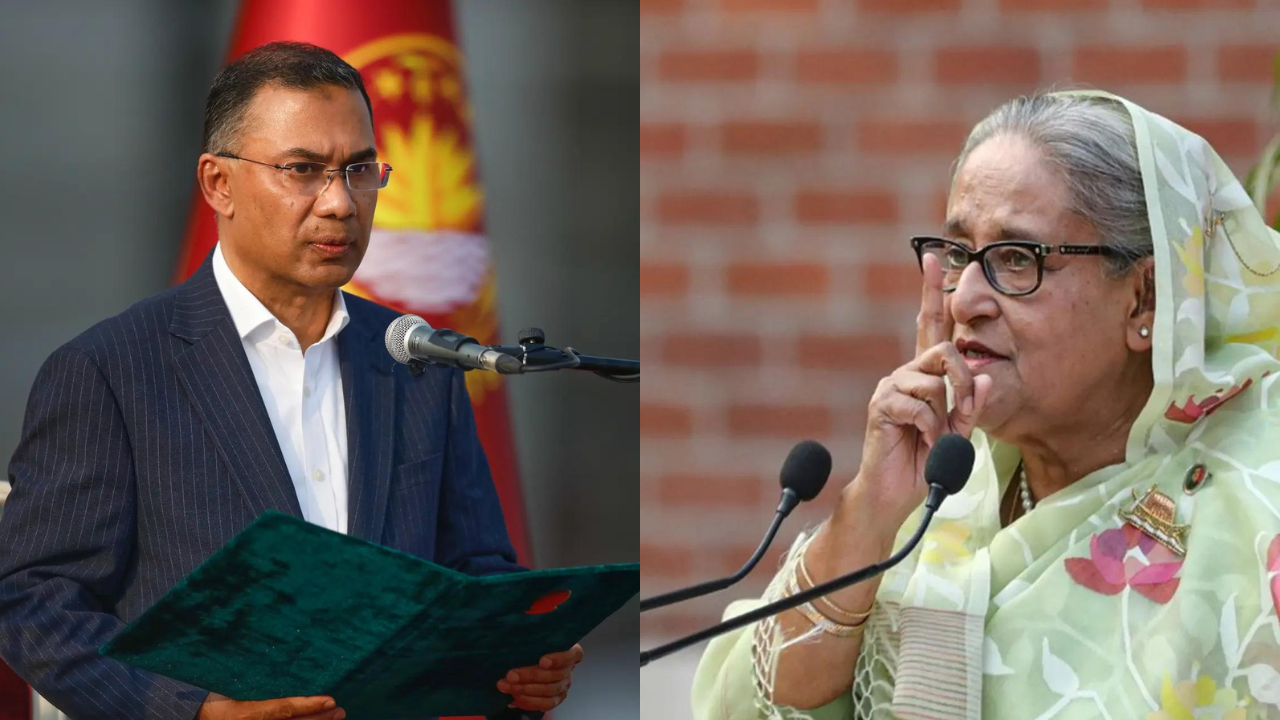
Diplomatic handshakes don't happen in a vacuum, and Dhaka just made that abundantly clear. If New Delhi wants Prime Minister Tarique Rahman to visit India, they are going to have to hand over former leader Sheikh Hasina first.
Foreign Ministry officials in Dhaka confirmed that any upcoming trip by Rahman is completely conditional on India expediting the extradition of Hasina, who fled to her neighboring ally during the bloody student-led uprisings that shattered her 15-year rule.
The Diplomatic Standoff
Let's look at what's actually happening here. Traditionally, newly elected Bangladeshi leaders make India their very first international stop. Rahman broke that mold entirely after taking office, choosing to visit Malaysia and China first.
When rumors started swirling about a potential diplomatic window between August 20 and August 25, officials quickly poured cold water on the hype. Foreign Ministry official A.K.M. Shahidul Karim told reporters that a propitious environment simply doesn't exist right now.
Why? Because Hasina is currently sitting in India, convicted of crimes against humanity by a domestic tribunal, facing a death sentence, and—worst of all from Dhaka's perspective—giving open media interviews.
Those public statements are poisoning the well. Dhaka views her media presence as a direct provocation, turning what could have been a diplomatic reset into a stubborn standoff.
What India Faces Now
New Delhi is caught in a classic geopolitical trap. They valued Hasina as a reliable, security-conscious partner for over a decade. Her sudden ouster left Indian foreign policy scrambling to adjust to a changed reality in South Asia.
India's official stance on the extradition request has been muted, with the Ministry of External Affairs stating the matter is simply "under examination". Behind closed doors, Indian officials note that any actual extradition would have to clear judicial hurdles under the bilateral extradition treaty, moving through courts rather than purely political channels.
Yet, Bangladesh isn't backing down. The message from Dhaka is sharp and straightforward: New Delhi cannot compartmentalize its bilateral ties with the current administration while simultaneously protecting a convicted fugitive who actively undermines Bangladesh's sovereignty from foreign soil.
The Real Cost of Delay
For months, both capitals have tried to talk about water-sharing treaties, border management, and trade normalization. Those conversations are stalling out.
Rahman's administration is running on a strict "Bangladesh First" platform. They aren't interested in traditional diplomatic pleasantries while an ousted autocrat uses Indian media to contest the legitimacy of their government. Until New Delhi takes concrete steps to process the extradition paperwork, don't expect to see any high-profile summit photos of Rahman landing in New Delhi. The ball is entirely in India's court.