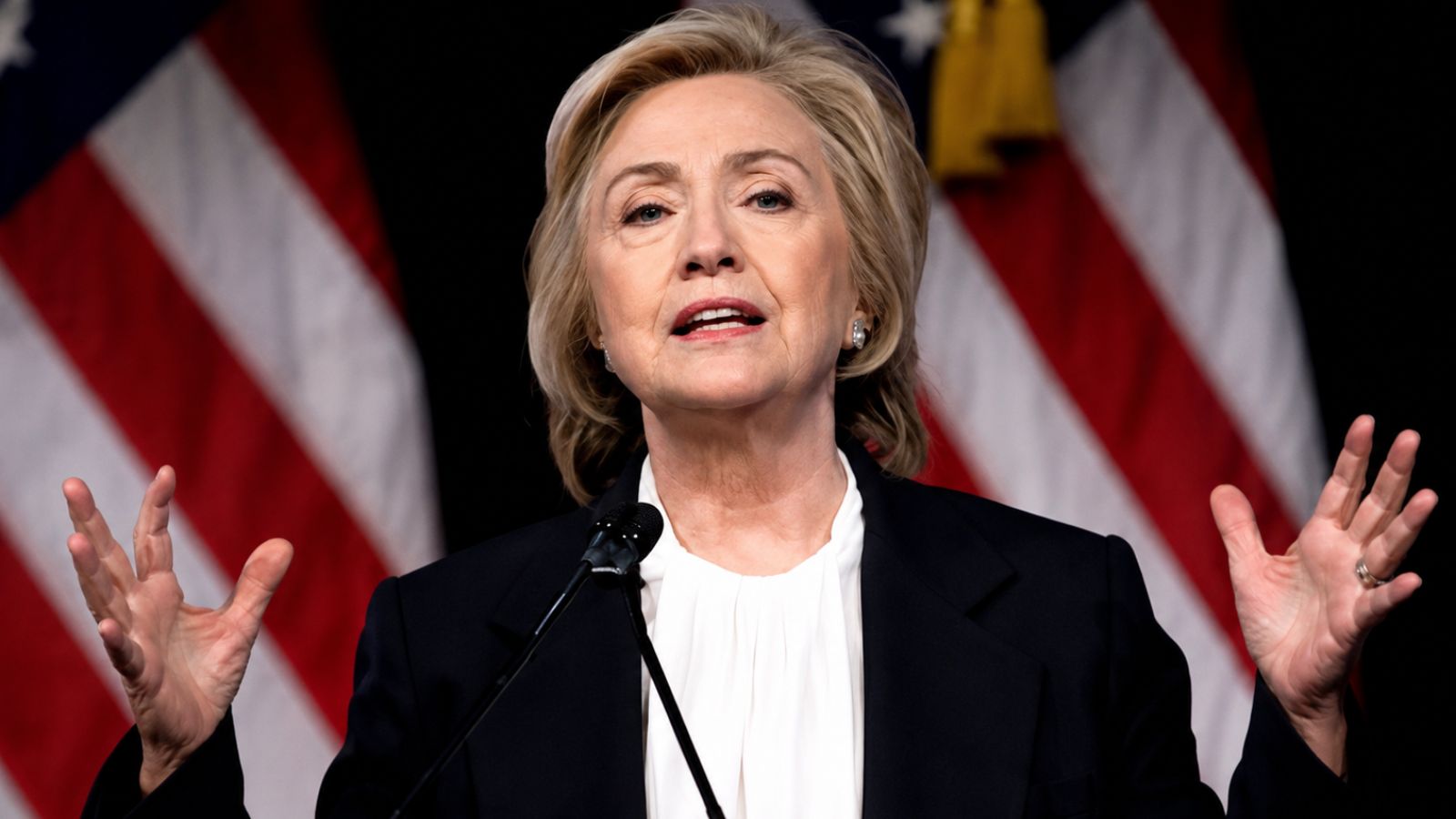
Hillary Clinton just threw a massive punch in the ongoing debate over presidential aesthetics. During an appearance on Kara Swisher's Pivot podcast, the former secretary of state didn't hold back. She compared Donald Trump's heavy use of gold leaf and interior overhauls inside the White House to the opulent, gaudy compounds once owned by Iraqi dictator Saddam Hussein.
It is a striking comparison. It also highlights a deeper political battle over who actually owns the iconic executive mansion and how presidential power gets physically manifested within its historic walls.
The Gold Overload That Triggered the Outrage
If you have followed recent updates coming out of Washington, you know the physical footprint of the executive complex is changing fast. Since returning to office in 2025, Trump has pushed through aggressive interior updates. We are talking about heavy gold detailing splashed across the Oval Office surfaces and parts of the West Wing.
Clinton looked at these changes and labeled them tacky. More than that, she connected the aesthetic choices directly to what she perceives as a narcissistic need for self-importance.
"I was in Baghdad after the fall of Saddam Hussein. I was then a senator, and I had meetings in some of his palaces," Clinton told Swisher. "They were quite reminiscent of what we are seeing in our own White House. It is just insane."
The critique went beyond mere interior design complaints. Clinton argued that spending mental energy on gold embellishments distracts from urgent national security challenges and global policy crises.
The Battle Over the East Wing Demolition
The aesthetic debate quickly turns structural when you look outside the Oval Office. The administration took down portions of the White House East Wing to clear space for a massive new presidential ballroom.
That move sparked immediate backlash, legal challenges, and fierce public friction. Clinton previously posted online that the historic property belongs to the public, warning that the administration is destroying a national landmark.
During the podcast, she targeted the half-finished project directly. She called the ongoing construction a carbuncle stuck on the side of the White House. She noted that whoever wins the next presidential election inherits a massive headache regarding what to do with an unfinished, highly controversial expansion.
White House Pushback and Political Fallout
The administration fired back almost immediately. White House spokesman Davis Ingle deflected the criticism by pointing straight back to the 2008 and 2016 election cycles.
Ingle claimed that Clinton's frustration stems entirely from her historic defeat against Trump, arguing she never got over losing the opportunity to decorate the Oval Office herself.
This tit-for-tat reveals a lot about modern American politics. Every single square foot of the executive mansion carries heavy symbolic weight. When a president alters the structural layout or changes the color palette, it stops being a private remodeling job. It turns into a public referendum on taste, ego, and respect for tradition.
Past first ladies and presidents have always left personal marks on the building. Clinton herself oversaw historical touch-ups during her time in the executive residence. However, tearing down wings for grand ballrooms and coating rooms in heavy gold paint crosses a line for critics who view the White House as a public museum rather than a personal kingdom.
The debate leaves a messy reality for taxpayers and future administrations. Renovating historic federal property takes millions of dollars and years of bureaucratic hurdles. Whether the new gold flourishes and half-built ballrooms become permanent fixtures or targets for future demolition remains entirely up in the air.


