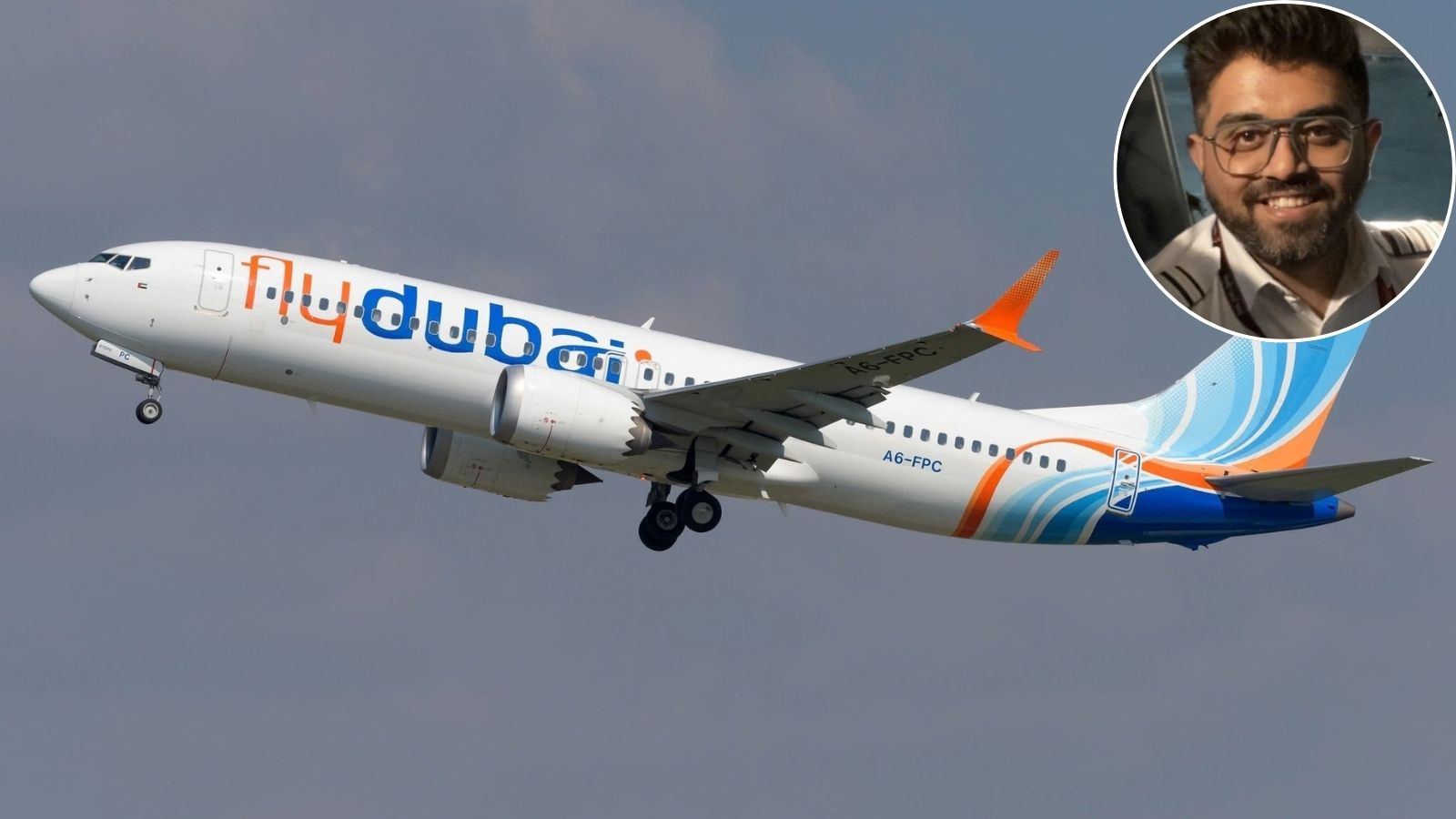
When an aviation emergency transitions from a theoretical simulator scenario to an in-flight crisis, the margin for error narrows to seconds. The popular narrative surrounding unexpected cockpit interventions usually defaults to sensationalism, treating split-second survival as an act of raw intuition or miraculous fortune. In professional aviation safety analysis, however, fortune is merely the residual of disciplined protocol, rapid information processing, and systemic redundancy.
Evaluating how an active flight crew manages catastrophic flight deck anomalies requires stripping away the emotional veneer of mystery. The operational reality of keeping a commercial transport aircraft from entering an unrecoverable attitude relies on specific, measurable variables: energy state management, human factors engineering, situational awareness loops, and strict adherence to non-normal checklists. For a different look, see: this related article.
The Physics of Upset Recovery and Energy Management
Commercial transport aircraft, such as the Boeing 737 family commonly operated by carriers like FlyDubai, operate within tightly bounded operational envelopes known as the normal flight envelope. When an external disturbance, mechanical failure, or control system anomaly threatens the aircraft, the primary threat is the uncommanded degradation of airspeed, altitude, or attitude.
In any upset condition, the pilot's immediate priority is not navigation or communication, but energy management. Kinetic energy and potential energy form a zero-sum ledger. If an aircraft experiences a nose-up or nose-down pitch anomaly coupled with a thrust asymmetry, the flight crew must instantly calculate and manipulate the total energy state. Related coverage on this trend has been published by AFAR.
- Attitude Recognition and Confirmation: The non-flying pilot must verify the aircraft's spatial orientation through primary flight displays, cross-referencing attitude indicators against air data instruments to eliminate spatial disorientation.
- Control Disengagement: Autopilot and autothrottle systems must be disengaged immediately if they are providing erroneous control inputs or reacting to corrupted sensor data, returning manual flight control to human operators.
- Flight Path Stabilization: Pitch and bank angles must be adjusted to predetermined parameters specified in upset recovery training syllabi—typically unloading the wing to prevent stall conditions and rolling toward the nearest horizon.
The intervention of additional personnel in a cockpit during a crisis—whether a check airman, a jump-seat occupant, or a relieving captain—introduces a critical variable known as cognitive offloading.
Cognitive Architecture and Crew Resource Management Under Duress
Under extreme physiological stress, human cognitive bandwidth degrades rapidly. Tunnel vision, auditory exclusion, and working memory overload impair decision-making. Standard two-person flight deck crews are trained to mitigate this through structured Crew Resource Management (CRM), but a sudden, severe emergency can saturate both pilots' attention.
When a third qualified aviator steps into the operational loop, the functional impact is not mystical; it is structural. The intervention alters the cockpit resource matrix by introducing a distinct cognitive layer:
- The Primary Flying Pilot: Maintains absolute physical control of the aircraft, executing immediate flight path stabilization maneuvers.
- The Monitoring Pilot: Reads checklists, verifies system responses, communicates with air traffic control, and monitors instruments for deviations.
- The Strategic Overseer: An intervening expert provides an unburdened vantage point, free from the immediate tactile feedback loop, allowing them to spot systemic threats, anticipate secondary failures, and question operational assumptions.
This tripartite distribution of tasks prevents the single-point-of-failure syndrome common in high-stress environments. Where two pilots may become locked into a confirmation bias regarding a specific instrument reading, an outside observer brings fresh analytical distance.
Systematic Redundancy and Procedural Discipline
The popular term "mystery men" implies an anonymous, ad-hoc rescue force. In modern commercial aviation, no such entity exists. Every occupant in a flight deck is bound by strict regulatory certifications, standardized type-ratings, and recurrent simulator training that dictates exact behavioral patterns during non-normal situations.
FlyDubai, operating under international civil aviation standards, enforces rigorous recurrent training programs that simulate severe system malfunctions, including extreme turbulence, electrical failures, and flight control hard-overs. The actions taken by individuals who step in during a crisis are pre-programmed behavioral responses honed through hundreds of hours of simulator repetition.
When an unexpected physical intervention occurs—such as manually assisting control columns or overriding misbehaving trim systems—the action is governed by strict hierarchy and technical authority.
[System Anomaly Detected]
       │
       ▼
[Primary Crew Saturation & Cognitive Overload]
       │
       ▼
[Intervention & Cognitive Offloading]
       │
       ├─► Physical Intervention: Manual Flight Control Assistance
       ├─► Analytical Verification: Cross-Checking Non-Normal Checklists
       └─► Communication Management: Isolating ATC Traffic
       │
       ▼
[Restoration of Normal Flight Envelope]
The Structural Mechanics of Aviation Resilience
The resilience of a modern transport category aircraft is a function of dual-layer defense: machine redundancy and human procedural redundancy.
Mechanical systems are backed by secondary hydraulics, electrical buses, and alternate control paths. Similarly, human error is buffered by cross-monitoring, challenge-and-response checklists, and the authorized intervention of any qualified flight crew member present on the deck.
When an incident occurs, the difference between a controlled resolution and a catastrophic hull loss is determined by the speed with which the crew can reset the decision cycle. By replacing panic with standardized kinetic responses and distributing cognitive load across additional qualified personnel, the modern flight deck absorbs shocks that would otherwise overwhelm single-operator systems. The intervention is not a mystery; it is the precise execution of engineered resilience under pressure.