Every October, the air shifts. You feel it before you see it on a weather report. A sudden crispness settles in the bones, the kind that smells like damp leaves and burnt cedar. Along with that bite comes an unspoken dread. It is the arrival of the season that tests our fragility.
Consider the kitchen table of Elena, a thirty-eight-year-old nurse who has spent twelve years watching winter sweep through hospital wards like an uninvited ghost. She knows the sound of it. The dry, rattling cough echoing down linoleum corridors. The desperate scramble for ICU beds. The quiet, exhausted sigh of a physician looking at a packed waiting room on a Tuesday morning.
"We treat the aftermath," Elena told me last November, her hands wrapped around a mug of lukewarm coffee during a ten-minute break that felt stolen from time. "Year after year, we chase a moving target. We build defenses after the enemy has already broken down the door."
For generations, humanity’s primary shield against the seasonal influenza virus has been a game of biological prediction. Every February, scientists gather in windowless rooms to make an educated guess. They peer into global surveillance data, track strains mutating in the Southern Hemisphere, and formulate a vaccine for the coming winter. Sometimes, they hit the bullseye. Often, the virus outsmarts them, mutating mid-stride, rendering months of meticulous laboratory work only partially effective.
It is an ancient cat-and-mouse game. And for the most part, we have accepted it as an unchangeable law of nature.
Until now.
The Blueprint of the Future
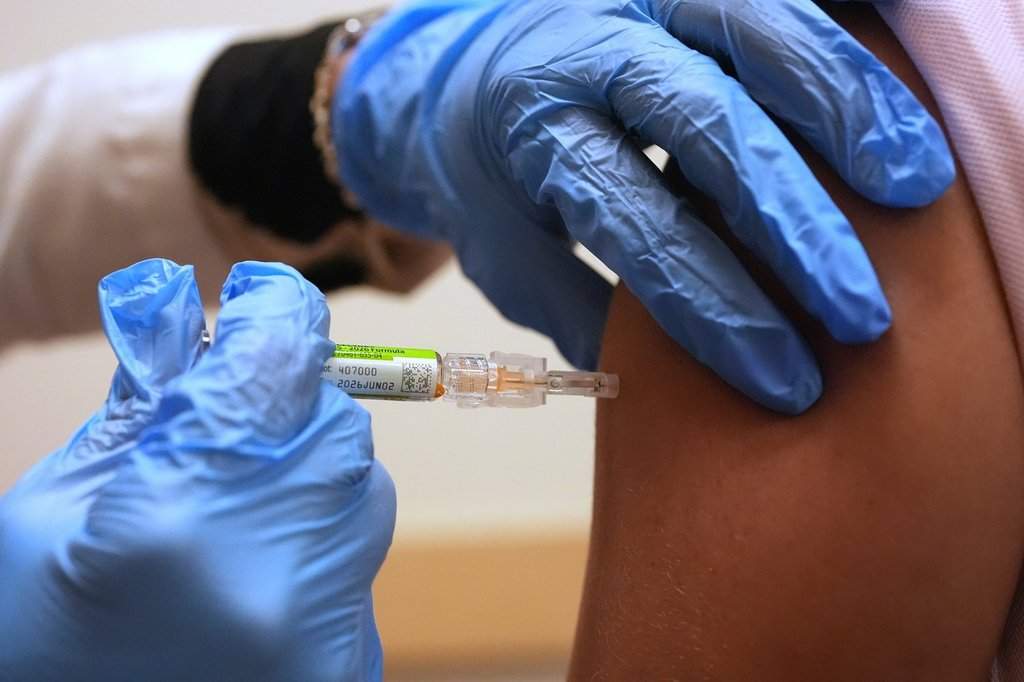
The recent Food and Drug Administration approval of Moderna’s messenger RNA vaccine for influenza is not merely a bureaucratic checkbox. It is a fundamental shift in how we wage war against an old adversary.
To understand why this matters, you have to look past the dense medical jargon and understand the messenger RNA mechanism. Think of traditional vaccines as historical wanted posters handed out to your immune system. They contain inactivated or weakened pieces of the actual virus. Your body studies the poster, trains its guard dogs, and prepares for a specific face.
Messenger RNA does something entirely different. It does not hand out a picture. It hands out a recipe.
Imagine walking into a kitchen where a master baker hands you a slip of paper with precise instructions on how to bake a specific loaf of bread. You follow the steps, bake the loaf, and then throw the recipe away. Your oven remains intact. Your pantry is safe. But now, your hands know the exact muscle memory required to recreate that product whenever it appears.
Instead of growing massive vats of viral material in millions of chicken eggs—a painstaking manufacturing process that has dominated vaccine production since the mid-20th century—mRNA technology sends a temporary genetic script into our cells. The cells read the code, temporarily manufacture a harmless viral protein to trigger an immune response, and then rapidly degrade the instruction slip.
The biological blueprint becomes digital, fluid, and remarkably fast to update.
Why the Old Way Was Breaking Down
To appreciate the weight of this milestone, we must confront the limitations of our past.
Egg-based manufacturing is an industrial relic. It requires months of lead time, massive agricultural supply chains, and biological cooperation from millions of hens. When a novel influenza strain emerges late in the season, the traditional pipeline simply cannot pivot quickly enough. By the time millions of doses roll off the assembly lines and into neighborhood pharmacies, the virus has already mutated into a slightly different shape, slipping past the antibodies we spent months building.
The human cost of this lag is measured in emergency room visits, missed weeks of school and work, and, tragically, preventable loss of life among the elderly and immunocompromised.
Every winter, hospitals operate at maximum capacity. Nurses like Elena run on adrenaline and saltines. The system creaks, groans, and occasionally fractures under the weight of a pathogen that has spent millions of years perfecting the art of evasion.
We grew accustomed to this vulnerability because we had no other choice.
The Science of Speed
When Moderna’s new formulation cleared regulatory hurdles, it represented a victory of platform flexibility over brute force.
Because the underlying technology relies on a synthetic lipid nanoparticle encasing a strand of mRNA, scientists can theoretically swap out the genetic sequence within weeks rather than months. If a sudden, aggressive strain of influenza begins spreading in a remote corner of the globe in August, laboratories can re-engineer the vaccine code before the first frost hits North America.
It transforms medicine from a reactive posture into a proactive science.
Yet, translating a brilliant mechanism into public health reality requires navigating human doubt. Novel technologies carry a psychological tax. People remember the frantic pace of vaccine rollouts during the pandemic years. They remember conflicting headlines, social media noise, and the deep-seated weariness that comes from living through a global health crisis.
S skepticism is not just healthy; it is essential. Trust is not granted by regulatory stamps alone. It is earned through transparency, rigorous safety data, and the quiet, lived experience of neighbors who roll up their sleeves and walk away unharmed.
Facing the Cold Months Ahead
Consider what happens next winter, and the winter after that.
The arrival of an mRNA flu shot does not mean the common cold or seasonal flu will vanish tomorrow. Influenza remains a shape-shifter, clever and relentless. It will still circulate. People will still feel the sudden chills, the aching joints, the heavy exhaustion that keeps them confined to a dark bedroom for days.
But the ceiling of our vulnerability is shifting.
When Elena walks into her hospital shift next October, the tools in her arsenal will be sharper. The vaccine programs rolling out across community health centers, pharmacies, and pediatric clinics will be backed by a technology capable of keeping pace with viral evolution.
We are stepping away from the era of biological guesswork. We are moving into an age where our medicine can adapt as quickly as the world around us.
The wind outside still howls against the windowpanes. The temperature drops another ten degrees as dusk settles over the city. But deep inside the microscopic machinery of our cells, a new kind of quiet vigilance is standing watch.