The Electoral Calculus of Silence
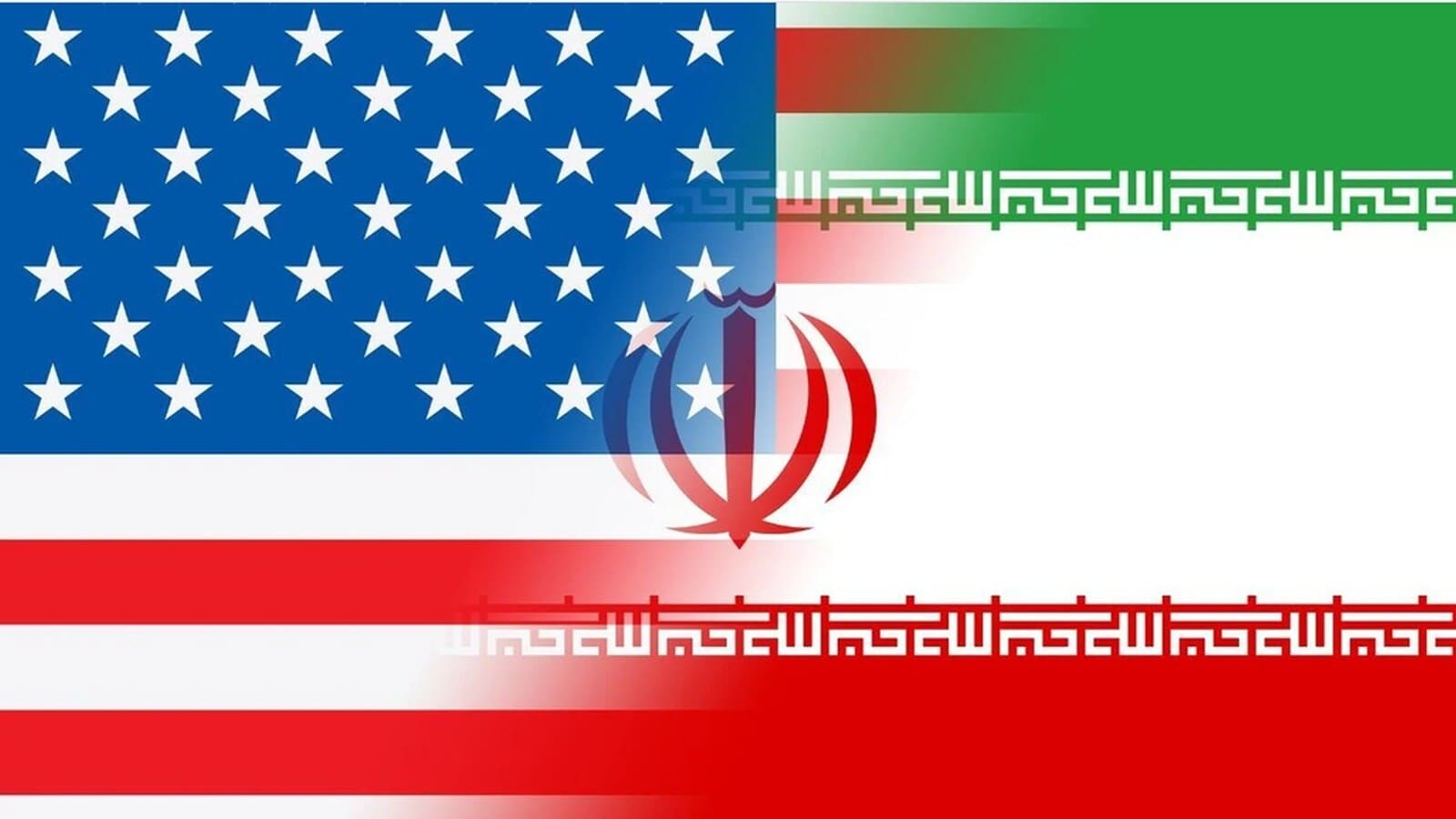
Political survival operates on a cold, unforgiving arithmetic. When presidential advisers push to keep a military confrontation with Iran quiet ahead of a midterm cycle, they are not acting out of strategic patience. They are responding to the panic of marginal district polling.
Midterm elections are referendums on domestic pain, inflation, and gas prices. An open military engagement in the Middle East introduces volatile variables that no campaign manager can spin away. Energy markets react instantly. Consumer costs spike at the pump within days of heightened naval posturing or proxy strikes.
For administration strategists facing a potential legislative wipeout, a foreign conflict is a dangerous distraction that alienates independent voters already exhausted by foreign entanglements. The objective inside the West Wing is containment. Keep the operations shadowy, rely on deniable cyber capabilities or targeted drone operations, and classify every briefing that threatens to break into the nightly news cycle.
Yet, managing a silent war is a high-stakes gamble. History demonstrates that hostilities have a habit of escalating past the point of administrative control. When an intercepted missile hits a commercial tanker or a regional proxy bypasses direct orders to strike an American installation, the calculus of silence shatters overnight.
The Mechanics of Low-Intensity Containment
Running a conflict under the radar requires a very specific bureaucratic apparatus. Traditional military campaigns demand congressional authorizations, public address updates, and steady media pools. A quiet war bypasses these channels entirely by leaning heavily on shadow networks and specialized forces.
Covert cyber operations replace conventional bombing runs during the early phases of friction. Disrupting infrastructure, targeting financial conduits, and blinding command nodes allow an administration to exert pressure without triggering mandatory war powers notifications that draw legislative scrutiny.
Proportional ambiguity becomes the primary doctrine of engagement. If an adversary launches a low-level provocation, the response is delayed, minimized, or executed via proxy forces to prevent a formal declaration of war.
- The Pentagon downsizes visible troop rotations in immediate flashpoints.
- Intelligence agencies ramp up clandestine sabotage operations that lack official attribution.
- White House press secretaries pivot rapidly from regional flashpoints to domestic infrastructure milestones.
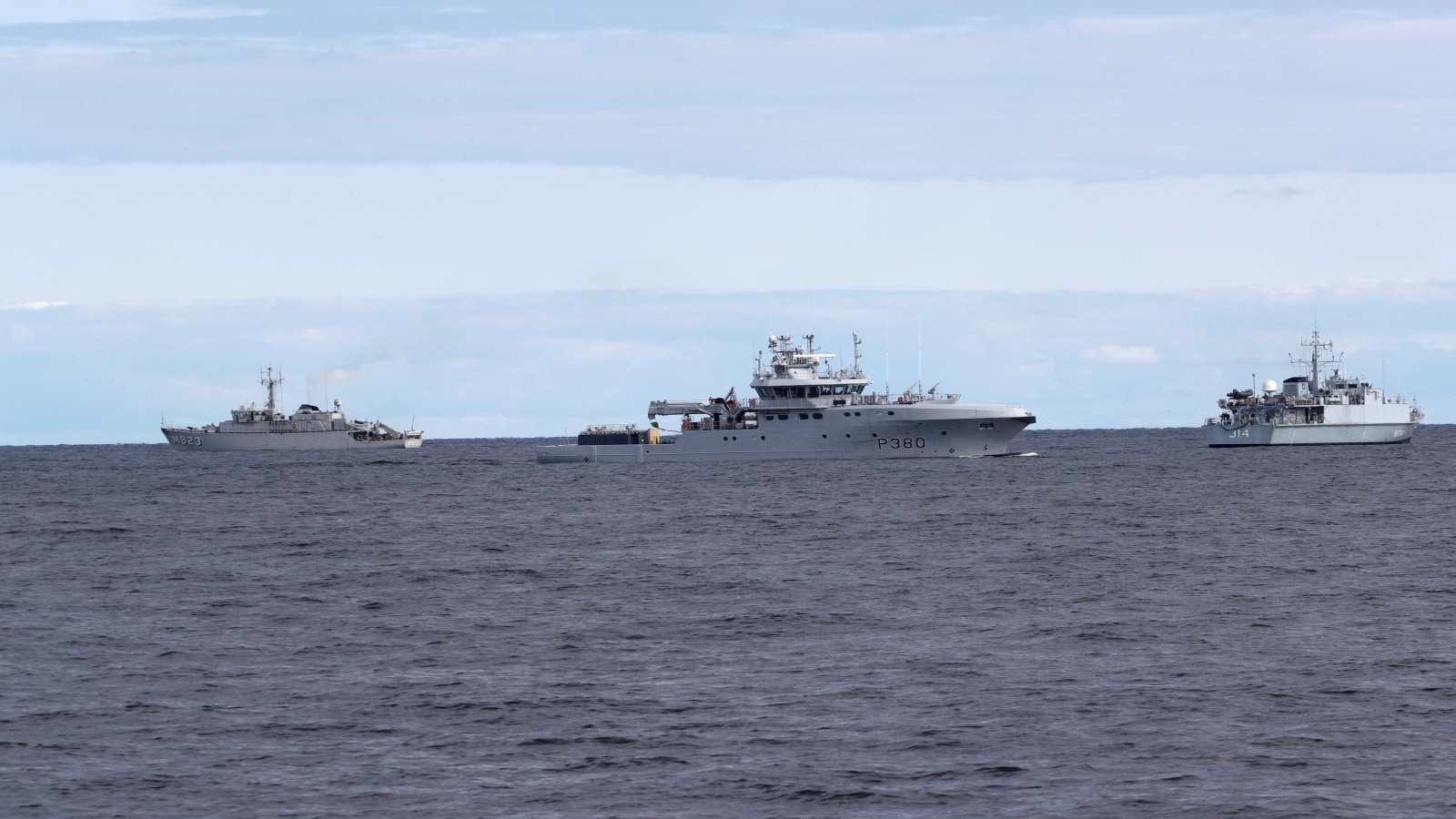
This approach creates a bizarre operational reality. Troops are actively deployed in harm's way, naval carrier strike groups sit on hair-trigger alerts in the Persian Gulf, yet cable news broadcasts focus on domestic tax debates. The machinery of state violence turns quietly in the background, shielded from public debate by design.
The Cost of Information Control
Suppressing news of an expanding conflict creates severe downstream institutional risks. When the public remains intentionally uninformed about escalating tensions abroad, citizens lose the capacity to evaluate foreign policy decisions before walking into a voting booth.
National security reporting suffers when access is restricted to anonymous background briefings from officials desperate to protect their party's electoral prospects. Reporters are left chasing leaks rather than examining structural strategies. This dynamic turns journalism into an exercise in deciphering administrative spin instead of holding power accountable.
Furthermore, allies abroad watch this domestic maneuvering with deep unease. Regional partners need predictability. If an administration's foreign policy posture shifts based on domestic election calendars, long-term deterrence strategies crumble. Adversaries notice the hesitation. Tehran recognizes that an administration tethered to an upcoming midterm cycle will absorb a certain threshold of provocation before risking a wider conflict that could depress voter turnout.
When Silence Breaks
Containment strategies eventually hit a breaking point. The friction between classified military reality and public awareness cannot hold indefinitely.
A single high-casualty event or an undeniable oil supply shock pierces the bubble of administrative spin. When that happens, the pivot is brutal. The narrative shifts instantly from quiet deterrence to emergency response, catching an electorate entirely unprepared for the reality of the policies enacted in their name.
Advisers banking on a quiet midterm are playing a game of statistical survival. They are betting that the friction will hold just long enough to secure legislative majorities, leaving the reckoning for the day after the ballots are counted.
The strategy treats foreign policy as a domestic PR problem. But international adversaries do not adjust their timetables to accommodate the American electoral cycle. Every silent escalation builds a pressure cooker, and the release valve rarely opens on schedule.