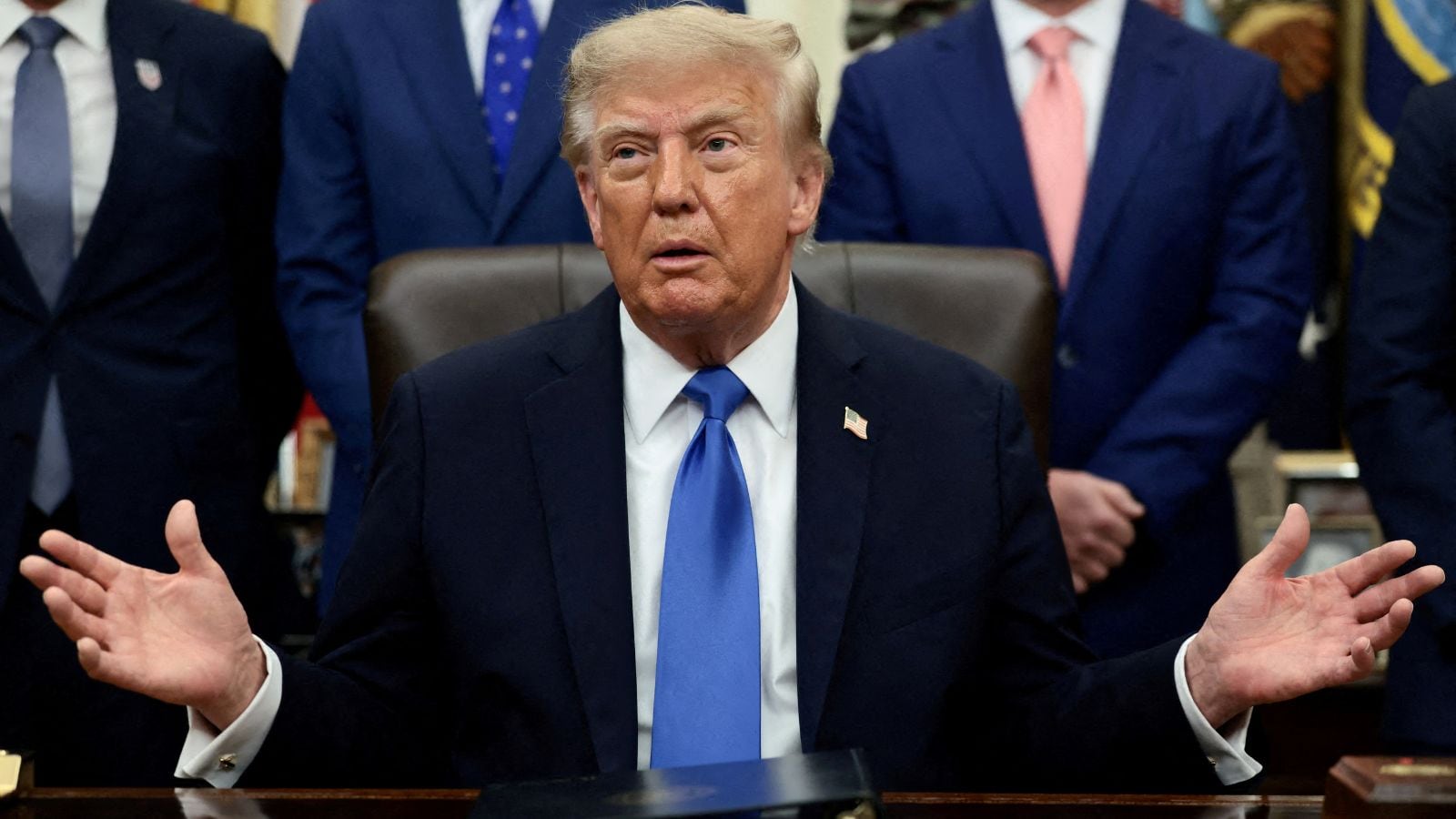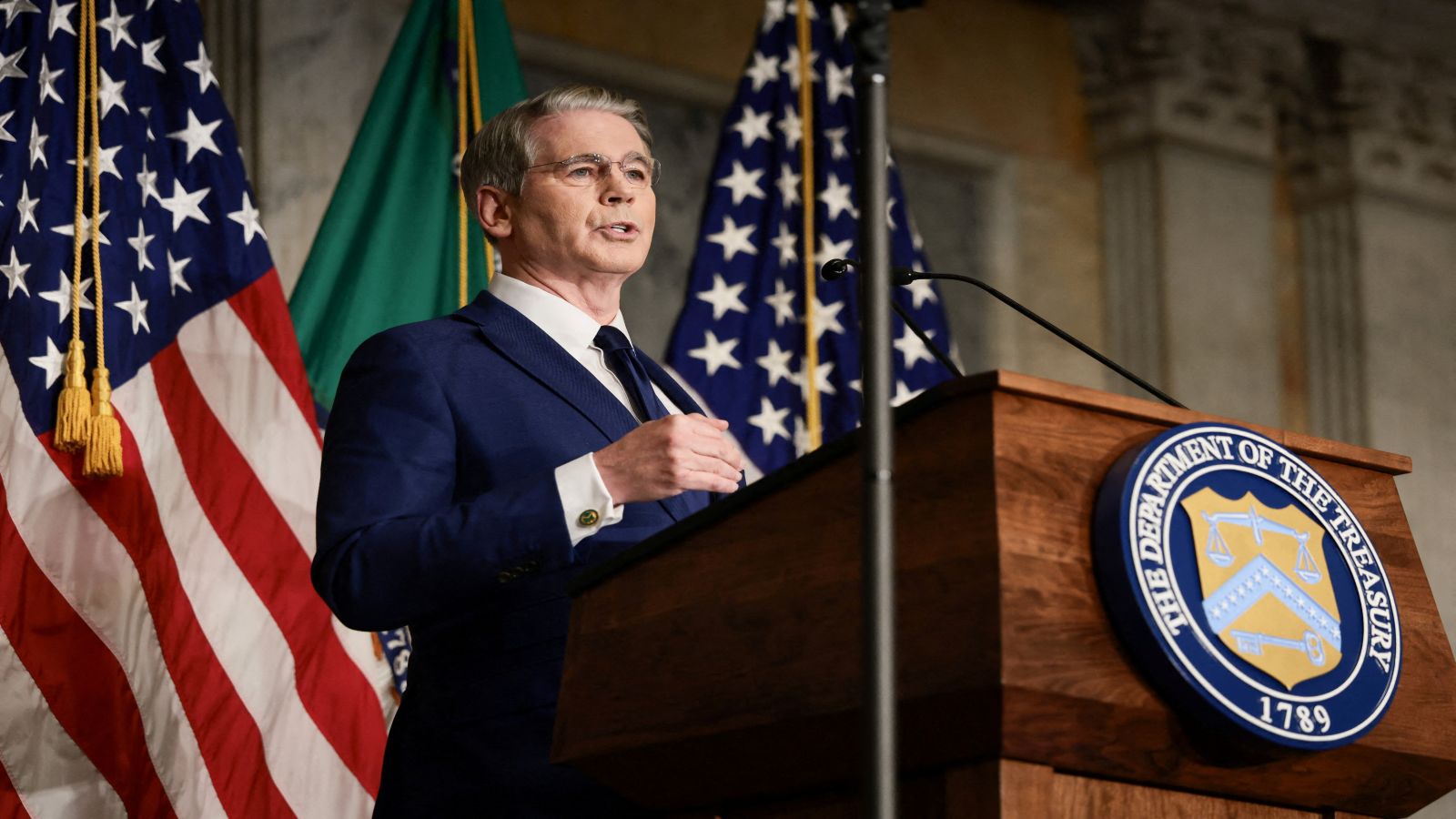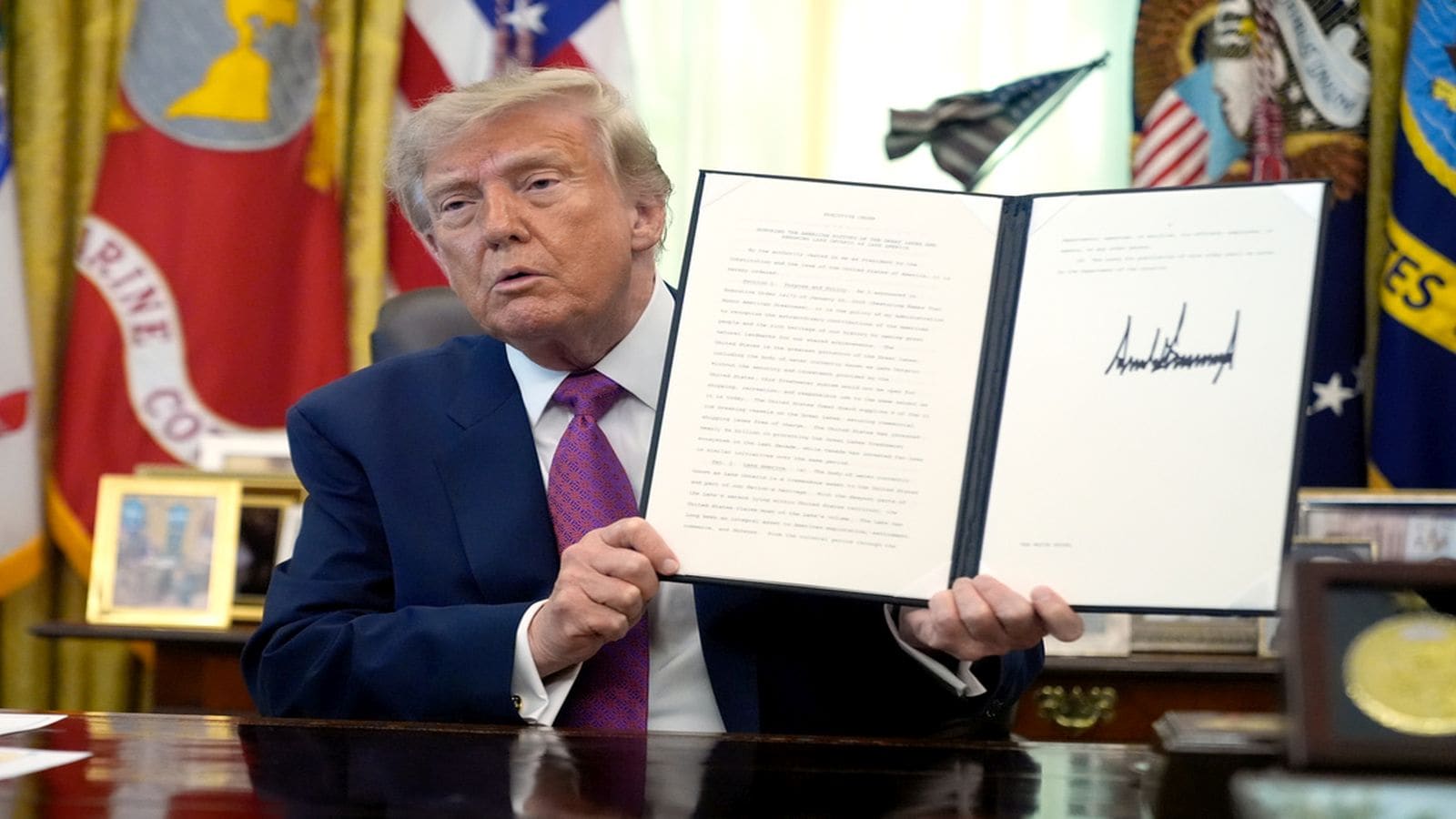
The traditional White House television pool didn't break down quietly. When the Trump administration revoked press credentials and banned journalists from CNN, MS Now, and Politico from entering the grounds, the reaction from the rest of the media ecosystem wasn't a standard, polite memo of disagreement. Major networks including ABC, CBS, Fox News, and NBC took the rare step of suspending their rotating pool coverage entirely rather than backfilling for their barred competitors.
You're looking at a fundamental fracture in how the executive branch and the American press corps interact. For decades, the pool system operated as a baseline mechanical agreement. One network's camera crew captured presidential movements, speeches, and travels, sharing that feed globally so the public always had a window into the presidency. When that system ground to a halt during a high-stakes dispute over press access, it exposed deep vulnerabilities in how institutional norms survive direct political friction.
What Triggered the Standoff
The flashpoint arrived when administration officials decided that covering the president was a privilege rather than a right, targeting specific outlets over editorial disputes. CNN, Politico, and MS Now responded immediately with a federal lawsuit, arguing that the credential revocations directly violated their First Amendment protections.
Instead of treating this as an isolated dispute between a single network and the administration, the remaining broadcast partners drew a hard line. ABC, CBS, Fox News, and NBC refused to step into the rotation to cover events like a presidential trip or a White House ribbon-cutting. They argued that letting an administration handpick who gets to report on the executive branch destroys the independent oversight required in a democracy.
The Rise of Alternative Feeds
With traditional network cameras locked out or sitting idle, the administration pivoted quickly. Officials promoted an online direct-to-consumer feed branded as "Trump TV". This digital channel bypassed traditional journalistic filters entirely, streaming live events, past announcements, and updates directly to public devices with the pitch of zero media noise.
This move highlights a wider strategic shift in modern politics. Why negotiate with a hostile or independent press corps when digital infrastructure allows a political office to broadcast its own curated narrative straight to voters? The friction over the White House press pool isn't just about physical access to a briefing room anymore. It's a battle over who controls the primary lens through which the public views executive power.
The Legal and Antitrust Aftermath
While a federal judge eventually issued an order that forced the administration to restore access for the banned outlets—prompting a tentative and fragile return to normal pool rotations—the fallout didn't end in the courtroom.
The Department of Justice's Antitrust Division launched an inquiry into whether the networks' collective decision to halt pool coverage amounted to an illegal group boycott among business competitors. Turning antitrust law toward a journalistic solidarity protest takes this conflict into uncharted territory. It pits traditional notions of freedom of the press directly against federal market regulations.
When media access becomes a revolving door of lawsuits, credential bans, and federal scrutiny, nobody wins a stable information environment. Keep an eye on how these legal challenges unfold, because the precedents set here will dictate whether independent pool reporting survives future political clashes.