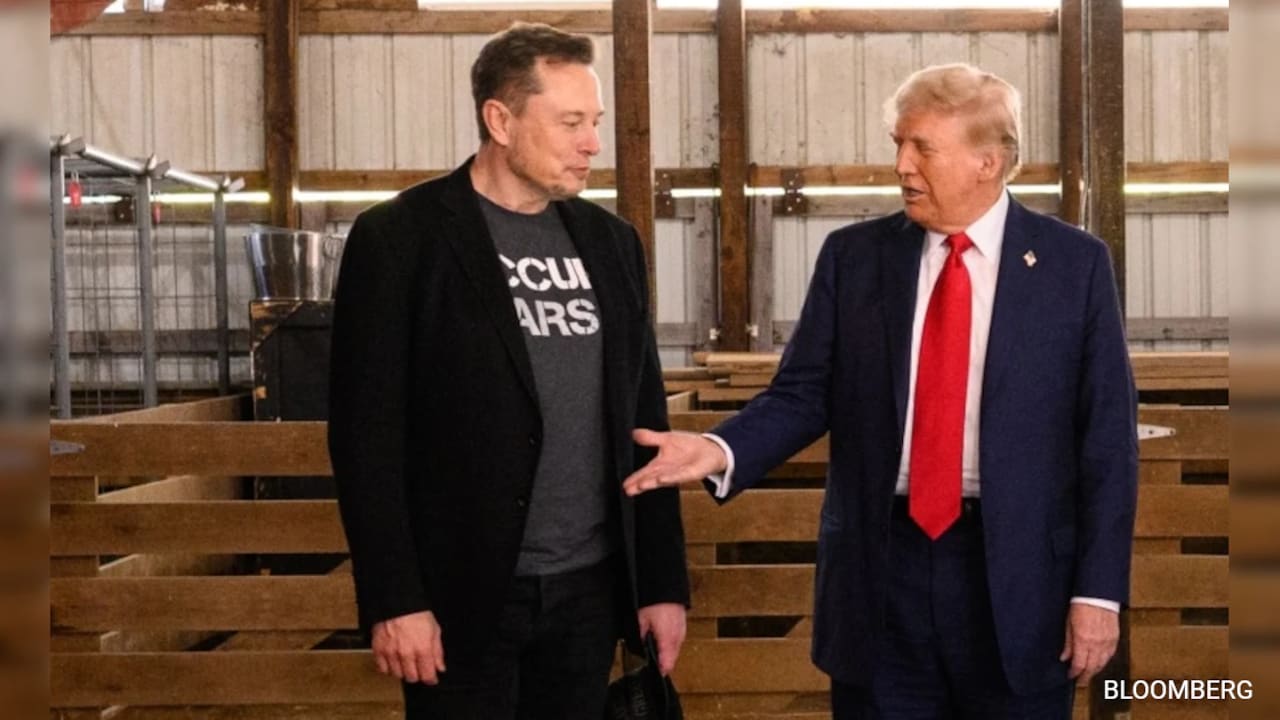
When six of the most powerful technology executives walked into the White House to sign a high-profile artificial intelligence pact, Washington didn't pass a single law. There were no new statutory penalties, no aggressive federal regulators taking notes, and no binding congressional mandates. Instead, leaders from OpenAI, Anthropic, Google, Meta, xAI, and Nvidia signed a voluntary pledge designed to govern the bleeding edge of super intelligence.
If you look past the official press releases, you see a clear reality. The government is choosing speed over regulation, betting that corporate self-policing can keep pace with machines that evolve faster than legislation ever could. But critics aren't buying it. When a trillion-dollar industry writes its own rules, you have to ask whether safety protocols are actually protecting the public or just providing corporate cover. If you found value in this post, you might want to read: this related article.
Inside the Four Layers of the Accord
The core of the framework rests on four distinct control layers. On paper, these requirements sound rigorous. Companies commit to maintaining internal monitoring systems during model training and deployment to track sensitive capabilities, biological risks, and cybersecurity threats. They promise to empower dedicated internal safety teams, bring in independent external auditors to verify their systems, and establish board-level oversight committees to manage high-level risk.
Yet, the agreement leaves out critical definitions. The text never clearly defines what counts as "independent" or who gets to decide what constitutes a "frontier" risk. Because signers choose their own external auditors, the arrangement functions more like a corporate compliance checklist than a strict oversight regime. If a company hires its own auditor and reports exclusively to a board it handpicked, public accountability becomes entirely dependent on corporate goodwill. For another look on this event, see the recent update from Gizmodo.
The Global Race Pressure
Why would the White House lean toward a voluntary model instead of hard legislation? The answer comes down to global competition. Lawmakers and administration officials are terrified of falling behind. International rivals aren't waiting for western democracies to debate safety ethics in slow-moving congressional hearings.
The administration’s stance is straightforward. If American companies are bogged down by heavy compliance costs and slow regulatory approvals, foreign competitors will capture the market. That pressure explains why officials are willing to trade mandatory enforcement for speed. By keeping the barriers low, the government hopes to maintain a decisive lead in the global intelligence race while trusting market forces to handle the risk.
What Enterprise Buyers Must Do Now
If you run an enterprise or buy AI services, this voluntary framework changes your operational reality. You cannot rely on a lab's internal safety pledge to protect your infrastructure. When developers choose their own testing standards, enterprise customers carry the burden of validation.
Smart organizations are already building their own evaluation layers. Instead of trusting vendor assurances, teams are running local tests on model outputs, establishing strict deny-by-default policy boundaries for autonomous agents, and maintaining model portability. If a provider’s safety standards slip, you need the technical flexibility to switch providers without rewriting your entire stack.
Treat corporate safety pledges as marketing baselines rather than legal guarantees. Build your own verification protocols, audit what your software touches, and assume that self-regulation only goes as far as the bottom line allows.
Trump and AI CEOs Sign Voluntary AI Safety Pact at White House
Watch this video overview to see the official White House announcement and hear directly from industry leaders regarding the signed safety accord.