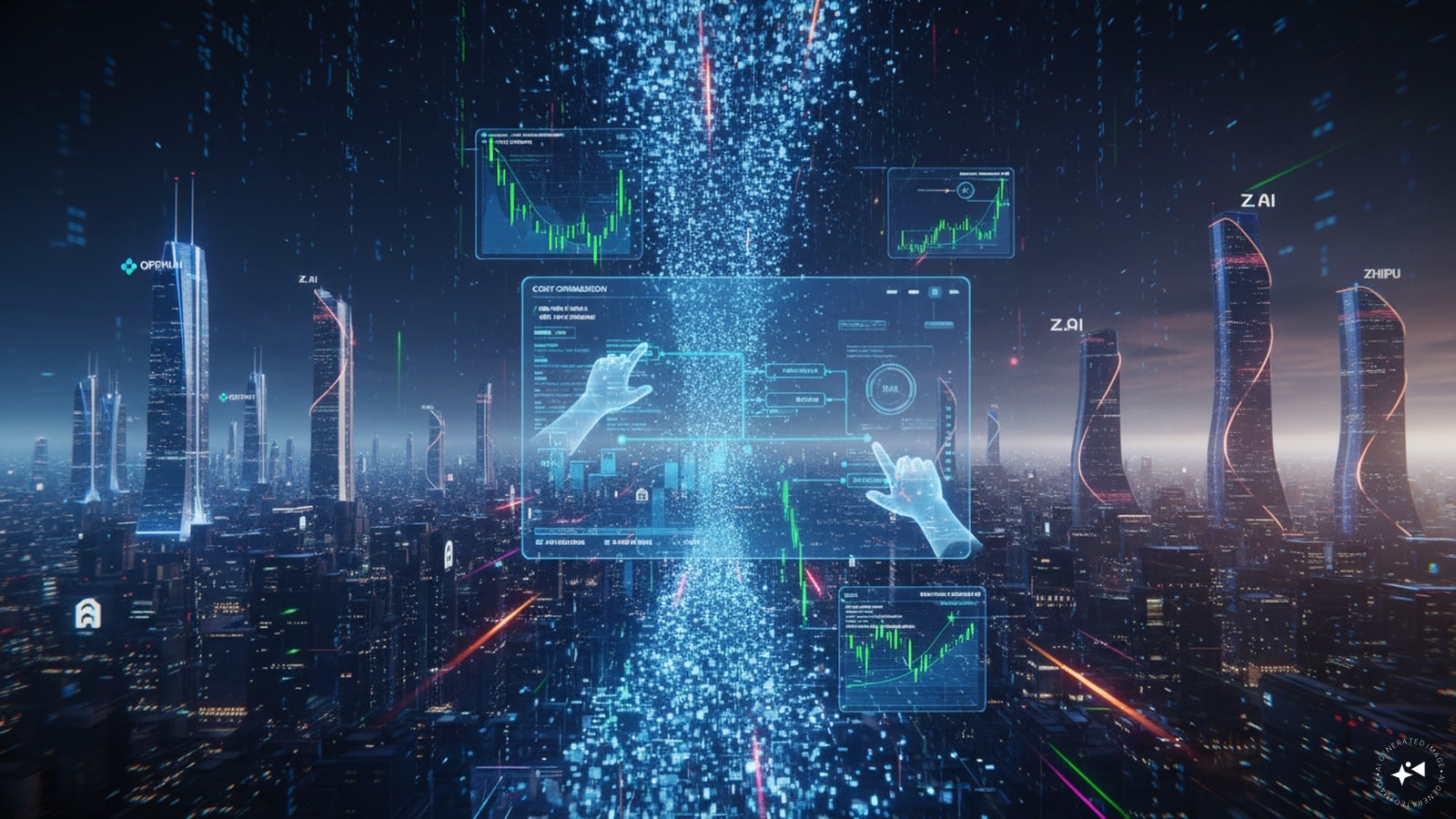
Morning arrives in Seoul before the neon signs have even managed to dim. In the quiet hours before the trading floor wakes up, Min-woo sits at his kitchen table, staring at a screen that feels less like a financial dashboard and more like a heart monitor for a marathon runner. His coffee goes cold. He does not notice.
For months, the numbers have refused to behave. One day brings a historic surge, a euphoric rush that floods local news channels with talk of unbridled growth and newfound wealth. The next day arrives with a sharp, brutal drop, erasing gains just as fast as they appeared. This is the reality of trading in a system where the extremes are widening, pulling ordinary workers and seasoned institutions alike into a dizzying vortex.
Financial analysts call it volatility. Min-woo calls it exhaustion.
To understand why a major economy's marketplace swings between absolute despair and sudden euphoria, you have to look beyond the cold math of price-to-earnings ratios. You have to look at the people whose savings rise and fall with every tick of the ticker.
The Anatomy of a Fracture
South Korea occupies a unique corner of global trade. It is a nation of incredible industrial might, home to manufacturing titans that build the ships, microchips, and smartphones powering half the planet. Yet, its financial exchange often trades at a discount compared to its global peers. Economists have a name for this persistent underappreciation: the Korea discount.
Imagine a magnificent house built with titanium and glass, situated in a prime neighborhood, yet priced on the market as if it has a leaking roof. That contradiction has frustrated investors for decades. Corporate governance issues, heavy reliance on export demand, and a notoriously insular regulatory framework have historically kept local equities from matching their true economic weight.
Then came the year of the great fracture.
Instead of moving in a steady, predictable curve, the market split into two distinct realities. On one side stood the global giants, the semiconductor powerhouses riding the artificial intelligence wave. When the world suddenly developed an insatiable appetite for advanced memory chips, these specific stocks exploded upward, triggering historic rallies that shattered previous records. The Kospi index surged, capturing headlines worldwide and sparking a rush of retail investors diving headfirst into the frenzy.
On the other side sat everyone else. Traditional manufacturers, smaller domestic businesses, and consumer-facing enterprises found themselves entirely left behind. They bled value while the tech titans soared.
Inside the Emotional Core
Consider a hypothetical retail investor named Ji-hyun, who represents millions of everyday participants in Seoul's bustling financial districts. She watches the news over lunch. She sees reports of record-breaking milestones on the exchange. It feels like a golden era. Everyone around her is talking about stocks, whispering about hot tips, and plotting their early retirement.
So, she invests. She puts her savings into a mix of high-flying tech shares and steady domestic companies, trusting the momentum.
Crash.
A sudden shift in global interest rates, coupled with supply chain anxieties, sends shockwaves through the market. The high-flying tech stocks tumble from their dizzying heights, dragging the broader index down with them. The sell-off is aggressive, fueled by automated trading algorithms that react in milliseconds to foreign exchange fluctuations. Ji-hyun watches her portfolio shrink by twenty percent in a single week.
Panic sets in. It is not just about the money lost; it is the betrayal of logic. How can a market be setting records one month and crashing into a deep freeze the next?
The answer lies in the unique structure of South Korea's economy. It is hyper-sensitive to external shocks. Because the nation relies so heavily on exporting goods to the United States, China, and Europe, any economic cough in Washington or Beijing turns into pneumonia in Seoul. When global supply chains stutter or central banks alter monetary policy, the shock waves hit Korean equities faster and harder than almost anywhere else.
The Push for Reform
This whiplash did not go unnoticed by lawmakers and regulators. The sheer intensity of the market's mood swings forced a reckoning. When millions of citizens are whipped back and forth between immense wealth creation and sudden meltdowns, public pressure mounts.
Regulators began pushing aggressive corporate governance overhauls. The goal was simple: force companies to respect minority shareholders, crack down on unfair practices that depressed stock valuations, and encourage firms to return cash to investors rather than hoarding it in stagnant reserves.
Think of it as cleaning out an old warehouse that has been neglected for decades. For years, boxes of unused inventory blocked the doors, hiding the true value of the space inside. The new corporate reform initiatives are designed to clear those boxes away, letting light into every corner so that anyone walking past can finally see what the building is actually worth.
Yet, reform is slow. Habits ingrained over generations do not vanish overnight. Family-run conglomerates, known locally as chaebols, have long held immense sway over corporate decisions. Convincing them to prioritize everyday shareholders over internal family dynasties takes more than just a new rulebook; it requires a cultural shift in how business is conducted.
The Waiting Game
Back at his kitchen table, Min-woo closes his laptop. The market has closed for the day, leaving behind a modest recovery that claws back a fraction of yesterday's devastating losses.
Nothing has been permanently fixed. The global tech demand will shift again. Interest rates will fluctuate. Foreign capital will flow in and out like a restless tide. The market remains inherently polarized, caught between the blistering speed of future-focused industries and the heavy anchor of traditional structures.
The numbers on the screen are just symbols. Beneath them are human ambitions, anxieties, and the stubborn hope that tomorrow’s opening bell will bring a little more stability, and a little less chaos.
The bell will ring again at nine tomorrow morning. The screens will light up. And the story will continue.