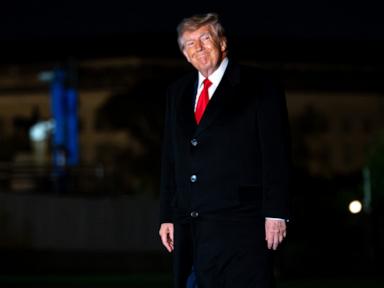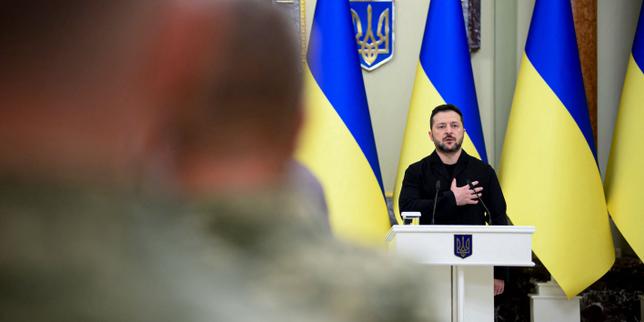
Every single major news desk across London and Paris is currently hyperventilating over the exact same tired narrative. Donald Trump takes a sledgehammer to diplomatic etiquette by demanding a leadership change in Kyiv, British Downing Street instantly reaches for the knee-jerk comfort blanket of absolute solidarity with Volodymyr Zelensky, and the commentariat acts like a strongly worded communique from Whitehall changes the kinetic reality on the ground by a single millimeter.
It is diplomatic theater at its finest, and it is entirely worthless.
Let us strip away the polite fiction that underpins modern European foreign policy. For three years, Western capitals have operated on a comforting delusion: that endless financial life-support and rhetorical chest-beating substitute for a coherent strategic endpoint. We treat geopolitical survival like a moral purity test. Clap loud enough for the incumbent administration, tweet your unwavering backing, ship a fraction of the heavy armor needed to break fortified defensive lines, and pretend you are fighting for the soul of the free world while starving the operation of actual industrial scale.
The lazy consensus in mainstream coverage focuses on the personality clash between a transactional Washington outsider and a beleaguered wartime leader fighting for his political life. That is the soap opera. The real story is the catastrophic mismatch between Western political rhetoric and industrial reality.
I have spent years watching defense contractors miss delivery targets while bureaucrats congratulate themselves on historic budget increases that mostly buy inflation and administrative bloat. When a government promises total solidarity without the manufacturing capacity, the logistics, or the long-term economic stomach to back it up, that solidarity stops being a policy and starts being a condolence card mailed in advance.
Look at the arithmetic that nobody in Whitehall wants to publish. European stockpiles are hollowed out. The defense industrial base was rusted shut thirty years ago after the Berlin Wall fell, and you cannot restart munitions factories with press releases or parliamentary debates. When Trump points out that the current trajectory is a fiscal black hole with diminishing returns, he is being brutally transactional about a war that Europe insists on treating as a charity fundraiser.
Yet the opposing mainstream view is just as intellectually bankrupt. Critics of aid act as though cutting off supplies would magically restore global stability, as if rolling back support would freeze conflict lines in a neat, painless status quo rather than triggering a chaotic collapse that redraws European security architecture for generations. Both sides of the aisle in the current transatlantic shouting match are selling a fantasy. One side sells endless war financed by other people's money; the other sells an isolationist fairy tale where ignoring geopolitical fires keeps them from burning down your own front door.
To understand why this current diplomatic crisis over leadership in Kyiv is a distraction, you have to look at the structural incentives at play.
Elections in democracies reward short-term theater. A press conference in Downing Street reaffirming total alignment costs zero units of heavy artillery and plays wonderfully on the evening news. It projects strength without requiring sacrifice. But real power does not flow from podium declarations. It flows from sovereign industrial capacity, secure energy supply chains, and the willingness to accept domestic economic pain for strategic objectives. None of which European powers have demonstrated in adequate measure.
When foreign leaders start publicly lobbying for or against specific heads of state across allied borders, normal diplomatic norms shatter. Trump’s blunt demand for a new president in Ukraine is an earthquake in diplomatic protocol, but pretending it happened in a vacuum of Ukrainian domestic friction is dishonest. Wartime politics in Kyiv are brutal, complicated, and increasingly strained by mobilization fatigue, economic devastation, and the agonizing friction of a war of attrition that has ground down an entire generation of young men.
Pretending that questioning leadership equals abandoning a nation is the exact kind of emotional blackmail that prevents serious strategy. In any high-stakes corporate turnaround, if the metrics are failing and the burn rate is unsustainable, governance changes. Geopolitics is no different, no matter how much moral language we wrap around it to soothe our domestic constituencies.
The uncomfortable truth is that Western solidarity has an expiration date dictated not by moral resolve, but by balance sheets and ballot boxes. If European capitals want a voice in how this conflict ends, they have to stop acting like cheerleaders on the sidelines and start acting like stakeholders with skin in the game. That means moving past performative hashtags and empty pledges of eternal backing. It means weaponizing industrial policy, securing supply chains for rare earths and basic propellants, and telling voters the cold, hard truth about what security actually costs in a multi-polar world where the American security umbrella is no longer a blank check.
Until we ditch the comfort of slogans and face the math of attrition, every dispatch about unwavering solidarity is just noise meant to drown out the sound of a strategy collapsing under its own contradictions.
Stop waiting for a speech to save a sinking ship. The rhetoric is free, and it is priced accordingly.