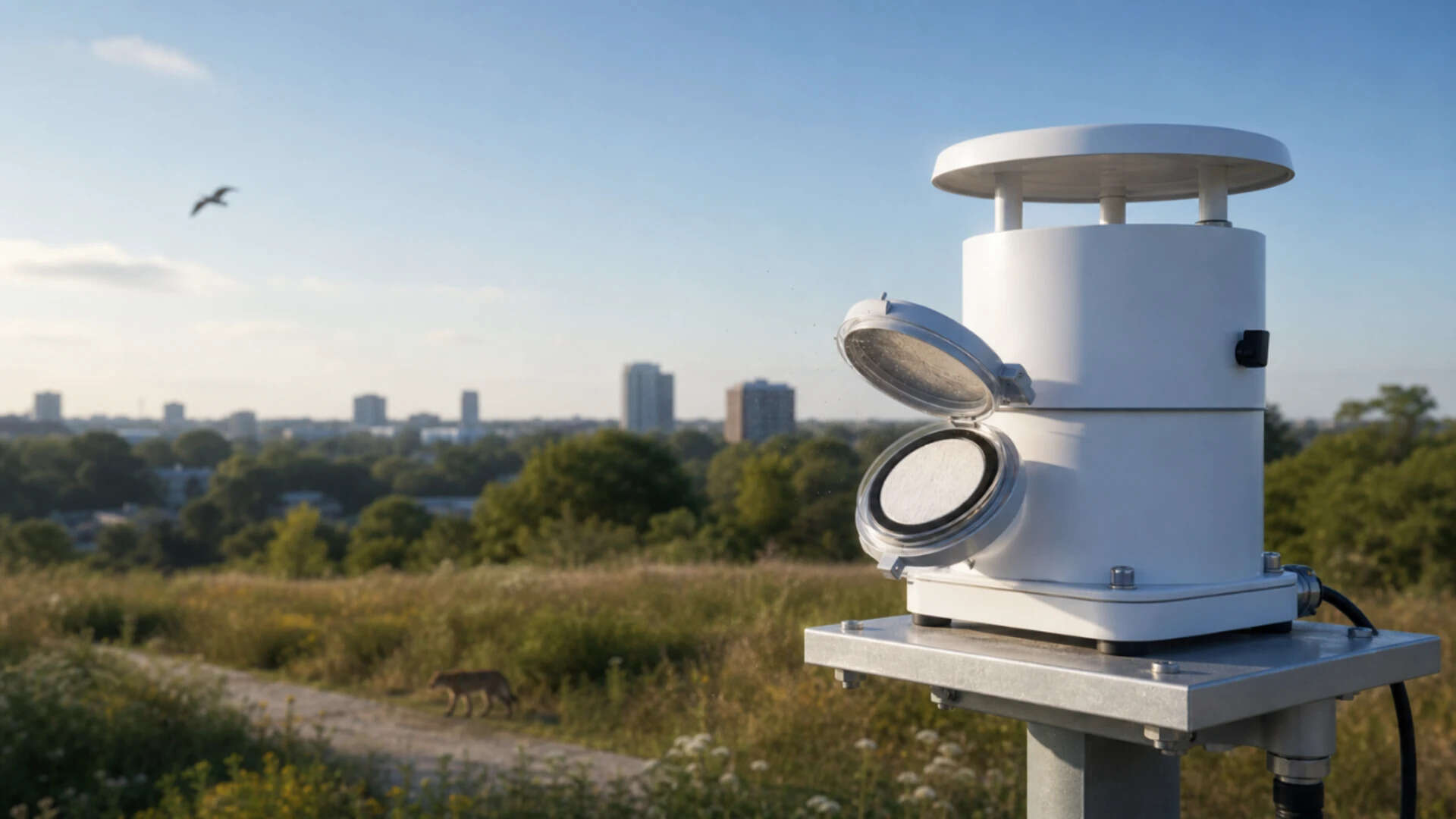
Israel just confirmed its first human case of West Nile virus for the summer of 2026, and it hits close to home. A resident of Tel Aviv recently tested positive for the vector-borne disease, setting public health officials and municipal authorities on high alert.
While a single diagnosis might not sound like a crisis, nobody in the region has forgotten the brutal summer of 2024. Two years ago, a massive spike in infected mosquitoes led to over 930 confirmed cases and 73 deaths across the country. It was the worst outbreak the region had seen in decades. So when the Ministry of Health drops news of a new infection in the heart of the central district, people pay attention.
The good news? Environmental monitoring teams haven't actually trapped any infected mosquito batches yet this season. The bad news? Mosquitoes don't strictly respect municipal borders or lab traps, and the virus is almost certainly circulating quietly among wild birds.
Here is what you need to know about how West Nile fever spreads, why central Israel remains a hotspot, and what you can do right now to protect your home.
How West Nile Fever Spreads Through the Warm Season
You don't catch West Nile virus from another human. It isn't like the flu or COVID-19. You can't get it from a cough, a handshake, or sharing a meal.
The biological cycle is straightforward. Birds act as the primary reservoir for the virus. Mosquitoes—specifically species from the Culex genus—bite infected birds and contract the pathogen. Once the virus multiplies inside the mosquito's salivary glands, the insect becomes a carrier. When that mosquito bites a human or another mammal, it transmits the infection.
Humans and horses are what epidemiologists call "dead-end hosts." That means even if you get sick, the concentration of the virus in your bloodstream stays too low for a mosquito to pick it back up and pass it to someone else. The cycle stops with you. But that doesn't make getting bitten any less miserable.
Weather plays a massive role in how fast this transmission cycle moves. Hotter summers speed up mosquito reproduction and shorten the incubation period of the virus inside the insect. When temperatures climb early in the season, mosquito populations surge, dramatically increasing the risk of human exposure.
Recognizing the Symptoms and Knowing When to Seek Care
About 80% of people who catch West Nile virus never feel a thing. Their immune system clears it without a single fever spike or body ache.
For the remaining 20%, the disease manifests as classic West Nile fever. Symptoms typically kick in anywhere from 3 to 14 days after being bitten by an infected mosquito.
Common signs include:
- Sudden high fever
- Throbbing headaches and eye pain
- Severe fatigue and body aches
- Nausea, vomiting, or diarrhea
- A mild skin rash across the trunk or chest
Most mild cases resolve on their own in a few days, though the lingering exhaustion can drag on for weeks.
The real danger lies in neuroinvasive disease. In less than 1% of cases, the virus crosses the blood-brain barrier. This leads to dangerous complications like encephalitis (inflammation of the brain) or meningitis (inflammation of the membranes surrounding the brain and spinal cord).
Watch out for red-flag neurological warning signs:
- High fever accompanied by a stiff neck
- Sudden confusion, disorientation, or memory loss
- Tremors, muscle weakness, or sudden loss of coordination
- Extreme lethargy or difficulty waking up
- Seizures
Older adults and immunocompromised individuals face the highest risk for severe neurological illness. During the major 2024 outbreak, the vast majority of severe cases and fatalities occurred in patients over the age of 60. If you or a family member develop high fever along with confusion or severe neck stiffness, get to an emergency room immediately.
Why Urban Areas like Tel Aviv Are Highly Vulnerable
It might seem counterintuitive that a virus linked to wild birds thrives in densely populated cities like Tel Aviv. Shouldn't rural farmland be more dangerous?
Not necessarily. Urban environments offer everything a Culex mosquito needs to thrive: stagnant water, artificial heat, and dense host populations.
Think about city infrastructure. Leaky air conditioning units drip constantly onto balconies. Construction sites accumulate puddles in exposed foundations. Forgotten buckets, clogged roof gutters, and overwatered urban gardens collect standing water that sits undisturbed for days.
A single discarded container holding just a tablespoon of water can hatch hundreds of mosquito larvae in less than a week during peak summer temperatures. Add in urban heat islands—where concrete and asphalt trap thermal energy—and you get an ideal breeding ground that accelerates mosquito life cycles.
Municipalities across Israel are ramping up larvicide treatments in public drainage systems and monitoring known wet zones. But city crews can't inspect every private balcony or backyard. Public prevention relies heavily on individual homeowners checking their own living spaces.
Practical Steps to Shield Yourself and Eliminate Breeding Sites
You don't need fancy equipment to keep mosquitoes away from your home. A few simple, deliberate habits make a huge difference.
Start by eliminating standing water around your living space once a week:
- Empty flowerpot saucers, pet water bowls, and stray containers regularly.
- Inspect balcony drain lines and air conditioner runoff pans to ensure proper flow.
- Cover rainwater collection barrels tightly with fine mesh wire.
- Clear dead leaves and debris out of roof gutters so water doesn't pool.
Next, upgrade your personal defenses against bites:
- Fit tight-mesh screens on all windows and doors, checking regularly for small tears.
- Use EPA-registered insect repellents containing active ingredients like DEET, Picaridin, or Oil of Lemon Eucalyptus (OLE) when spending time outdoors.
- Wear loose-fitting, long-sleeved shirts and long pants during peak mosquito activity hours—specifically around dusk and dawn.
- Set up outdoor fans on patios or balconies. Mosquitoes are weak fliers, and strong airflow makes it almost impossible for them to land on your skin.
If you spot standing water in public parks, alleyways, or abandoned construction sites, report it directly to your local municipal hotline immediately so environmental crews can treat the area before larvae mature. Taking action early stops localized outbreaks before they start.

.png?width=1200&auto=webp&trim=0%2C0%2C0%2C0)