Power has its sound. In the marble hallways of federal agencies, it echoes through the sharp click of leather shoes against stone, the hum of secure servers, and the quiet, measured tone of briefings delivered behind heavy oak doors. But power also has a completely different cadence. Under the neon lights of Nashville, it vibrates through the wooden body of a dreadnought guitar, the intentional twang of a steel string, and the raw, unscripted confession of a voice cutting through a smoke-filled room.
When those two worlds collide, nobody expects a quiet afternoon.
Kash Patel lives his life at the high-velocity intersection of national security and public controversy. As a former federal prosecutor, defense official, and high-profile investigator, his name became synonymous with the high-stakes chess matches of modern government. He is a man accustomed to defensive postures, late-night intelligence cables, and the constant, buzzing scrutiny of the media cycle. In that world, transparency is a vulnerability, and privacy is a fortress.
Alexis Wilkins operates in an entirely different domain. A rising country singer-songwriter, her currency is emotional exposure. She writes lyrics about heartache, small-town roots, perseverance, and the kind of fierce independence that only comes from hauling your own gear to a venue where nobody knows your name yet. Where Patel builds walls to protect information, Wilkins opens doors to let feeling pour out.
Yet, love rarely consults a resume.
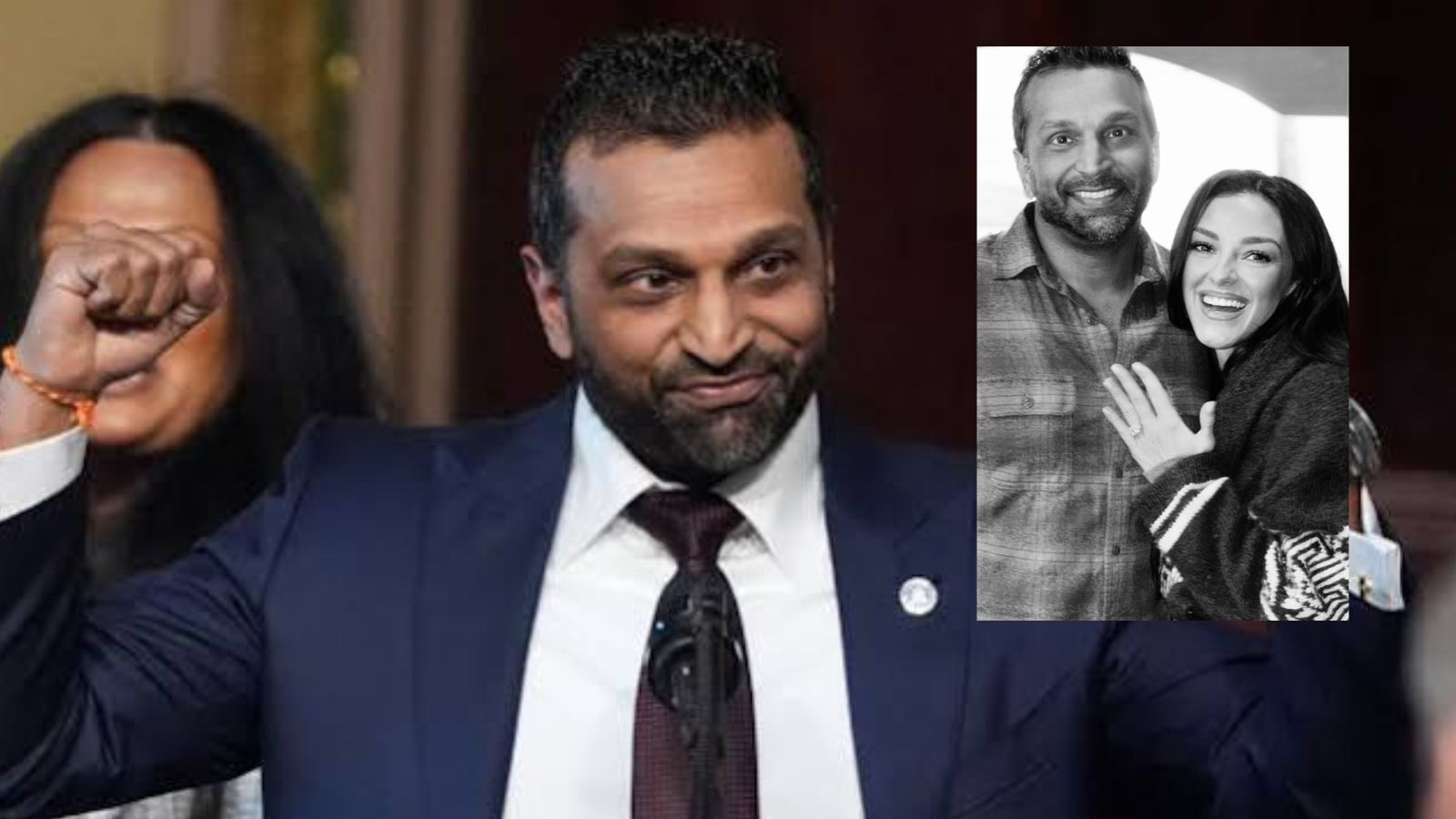
The announcement that Patel and Wilkins are engaged is more than a standard celebrity headline. It is a collision of aesthetics. Picture the scene: a quiet evening far away from the television cameras and the congressional hearing rooms. On one side sits a man who has spent years dissecting government bureaucracy and navigating the labyrinth of national politics. On the other sits an artist whose entire professional existence relies on capturing the fleeting, fragile truth of a human moment in a three-minute song.
How do these two realities coexist? The answer lies in the quiet spaces away from the microphone and the podium.
Public figures often find themselves trapped in caricatures. The media paints them in stark monochrome—either villains of a political thriller or untouchable heroes of a movement. But behind the headshots and the Wikipedia entries, ordinary human rhythms persist. People want coffee in the morning. People laugh at terrible jokes. People fall in love in mundane rooms while folding laundry or arguing over which restaurant has the best barbecue.
Consider what happens when public scrutiny meets personal commitment. Every relationship under a microscope requires a deliberate boundary. For Patel, privacy has always been a professional necessity. For Wilkins, sharing her life through song is an artistic imperative. Balancing those two impulses takes a rare kind of synchronization. It requires stepping out of the spotlight and into the living room, closing the blinds, and remembering that the noise outside only has as much power as you give it.
The engagement announcement ripples outward through two distinct subcultures. In political circles, it triggers a frenzy of speculation about what it means for alliances, public image, and future chapters. In the country music community, it sparks conversations about the eternal bond between songwriters and the figures who inhabit the cultural zeitgeist. Fans of Wilkins comb through her recent releases looking for hidden clues, lyrical easter eggs that might explain when the federal investigator first locked eyes with the troubadour.
Music and politics have always shared a bed, even if they pretend not to know each other in the morning. Politicians quote classic anthems on the campaign trail to borrow the working-class soul of the artist. Musicians write protest songs to puncture the bloated certainty of the politicians. But when an artist and an operative actually share a life, the dynamic shifts from exploitation to translation. One translates the chaos of the state into policy; the other translates the chaos of the heart into melody.
The wedding planning will undoubtedly involve an eclectic guest list. Imagine the seating chart. Federal lawyers, investigative journalists, independent country artists, and old friends from small-town America all passing the salt across the same table. It is a jarring juxtaposition, but perhaps that is where the real story lives. Modern life forces us into rigid silos, convincing us that we can only understand people who share our exact background, our exact beliefs, our exact vocabulary.
A union like this disrupts that lazy assumption. It reminds us that human connection defies ideological zoning laws.
As the date approaches and the news cycle moves on to the next manufactured crisis, Patel and Wilkins will step back into whatever normal they have managed to carve out for themselves. The headlines will fade. The social media comments will slow down. The guitars will stay tuned, and the briefing folders will keep piling up.
At the end of the day, a ring is just a piece of metal, and a wedding is just a day in a long calendar of ordinary mornings. What remains when the flashbulbs die is the quiet decision to anchor yourself to someone else, even when the rest of the world is spinning entirely out of control.