Washington just tried to draw a hard line against Tehran, but Beijing immediately told them to back off. When US Treasury Secretary Scott Bessent rolled out a sweeping package of economic penalties—likening the strategy to a D-Day landing for finance—he targeted dozens of entities. Yet, he left out major Chinese banks. China buys the vast majority of Iran's oil exports, making any serious enforcement a direct collision course between the world's two largest economies.
Beijing’s response wasn't subtle. Foreign ministry officials made it clear that any secondary penalties targeting Chinese firms over Iran trade are completely illegal under international norms. They promised to take all necessary steps to guard their national sovereignty and economic footprint. If you think this is just diplomatic posturing, look closer at how global supply chains actually operate right now.
The Oil Pipeline That Defies Washington
Let's look at the numbers. China accounts for roughly eighty to ninety percent of all Iranian crude exports. While massive state-owned Chinese energy giants usually steer clear of sanctioned barrels to protect their Western market access, a web of smaller, independent refiners—often called teapot refineries—keep buying.
These private refiners grab discounted Iranian oil because the margins are too good to ignore. Washington has tried penalizing individual vessels and smaller middlemen, but the core trade network remains intact. Beijing explicitly tells its domestic companies to ignore unilateral US edicts.
Think about what happens when a superpower tries to choke off energy flows to another superpower. It rarely works as intended. Instead, it forces targeted nations to build alternative financial rails, bypassing the US dollar entirely.
The Timing Problem Ahead of the Summit
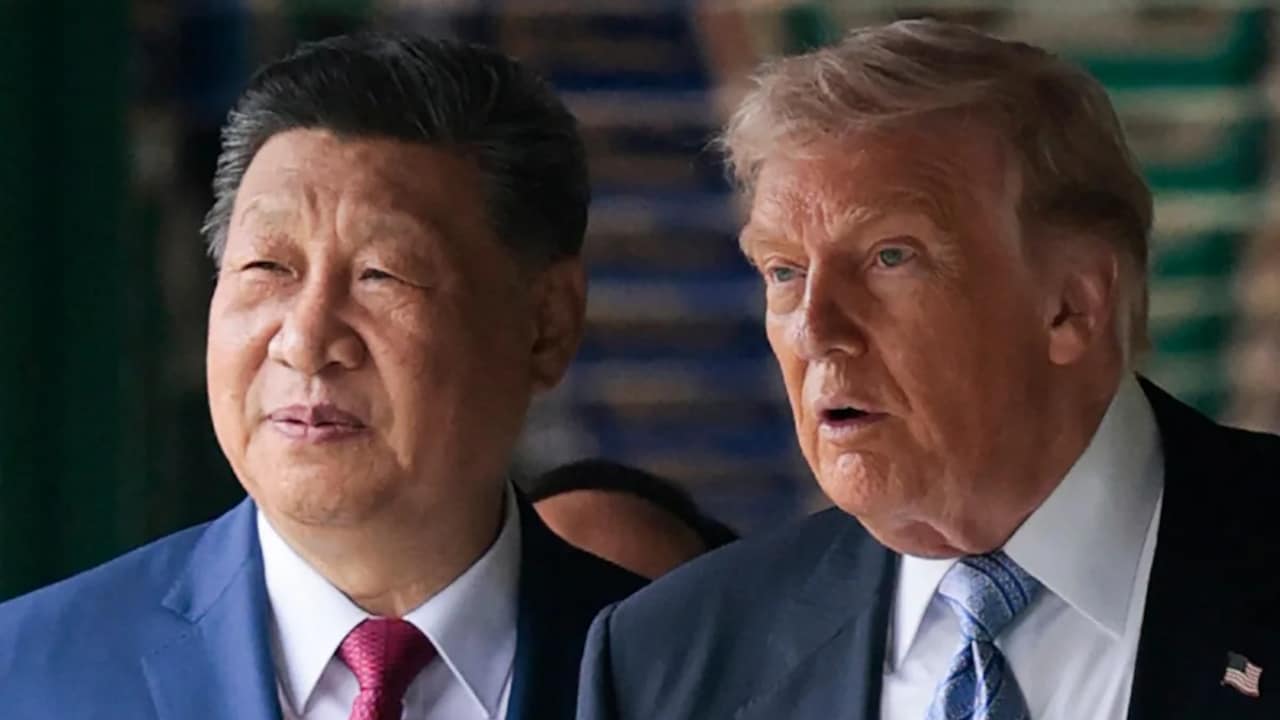
This clash comes at a terrible time for bilateral diplomacy. US President Donald Trump and Chinese President Xi Jinping are scheduled to meet in Washington next month to talk about trade truces and economic stability. Escalating secondary sanctions right before a high-stakes summit creates an unnecessary hazard.
Analysts at elite academic institutions point out that Beijing holds significant cards here. China dominates the global supply of critical minerals essential for American tech and manufacturing. If Washington decides to penalize major Chinese financial institutions, Beijing can retaliate through export restrictions on those rare materials or hit back in financial markets.
Trump's team knows this risk. That explains why the latest Treasury announcement hit 60 vessels and smaller entities in mainland China and Hong Kong, but carefully avoided cutting off the heavy-hitter banks. It's a calculated gamble. They want to squeeze Tehran without triggering an all-out trade war with Beijing before the leaders sit down face-to-face.
Why Unilateral Blockades Fall Short
Sanctions are only as powerful as the willingness of third parties to enforce them. When the target nation has a massive economic partner willing to absorb its primary export, isolation fails. Iran's economy has taken massive hits from prolonged conflict and blockades, but the oil keeps flowing east.
Regional dynamics add another layer of complexity. China doesn't just buy Iranian oil; it relies heavily on Saudi Arabia and Iraq for energy imports too. Continued shipping disruptions through the Strait of Hormuz threaten global supply stability, which hurts Beijing's economic growth just as much as anyone else's. Chinese diplomats are actively talking to Gulf states to calm regional waters, trying to manage a crisis they didn't start.
Washington faces a brutal reality check. Pushing a maximum pressure campaign against Iran while simultaneously trying to stabilize relations with China creates a policy contradiction. You cannot demand that Beijing cut its economic lifelines to Tehran without expecting severe retaliation.
As the countdown clocks on these new compliance deadlines tick down, watch how Chinese private refiners adapt. They've survived previous waves of restrictions by shifting insurance providers, masking ship transponders, and utilizing non-dollar settlement currencies. Until Western policymakers accept that globalization cannot be easily unspooled by decree, trade between Beijing and Tehran will find a way forward.