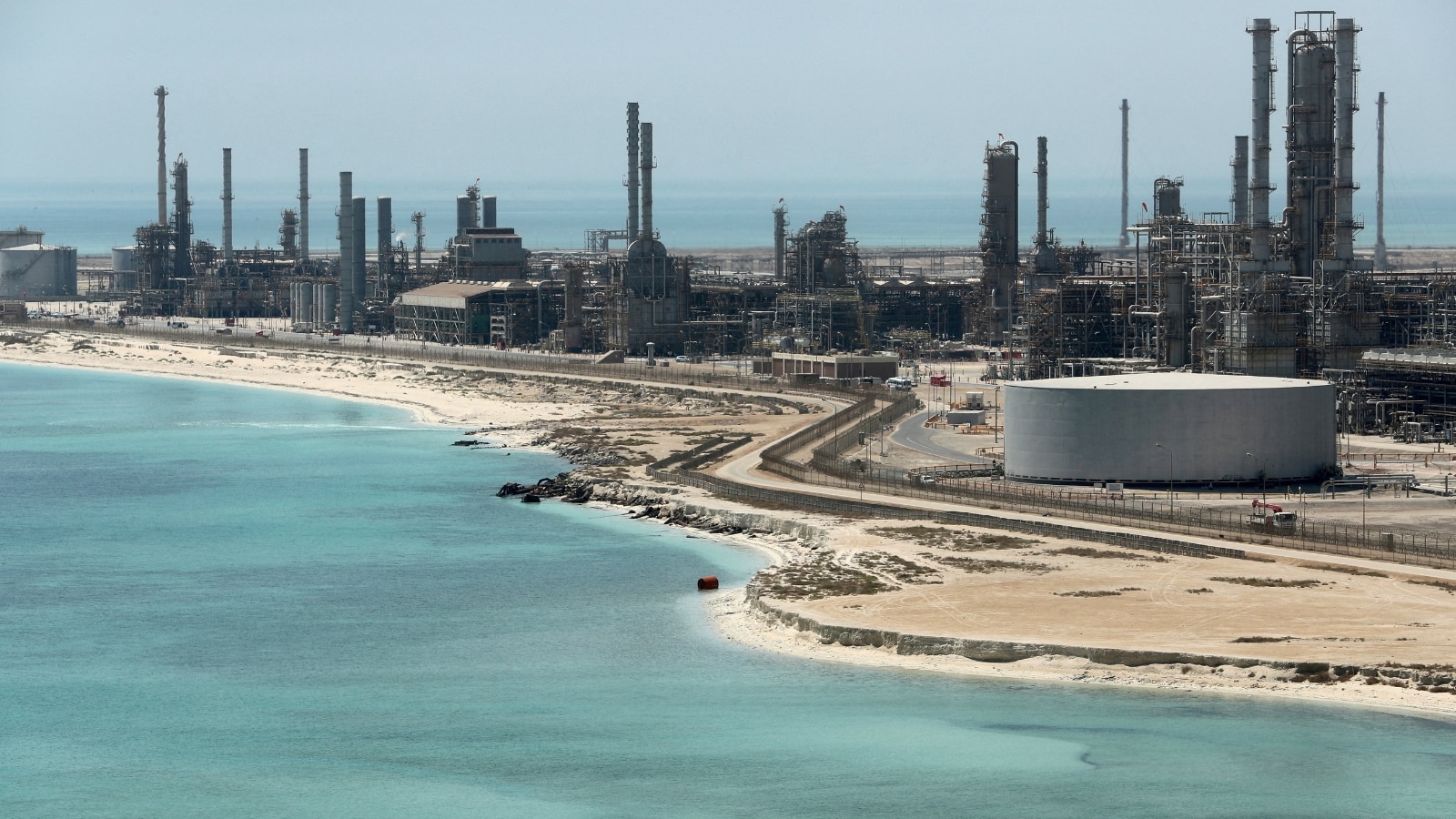
JPMorgan analysts love a comforting headline. When they released their latest note claiming West Asia crude oil flows have clawed their way back to ninety-eight percent of pre-war levels despite ongoing regional escalation, the mainstream financial press ate it up. Traders sighed in relief. Algorithmic trading desks relaxed their hedges. Everyone went back to sleeping soundly.
It is a masterclass in missing the forest for a single, comforting tree. Read more on a connected issue: this related article.
I have spent the better part of two decades watching quantitative analysts mistake volume for stability. Counting physical barrels moving through maritime chokepoints while ignoring the structural integrity of the pricing, insurance, and refining architecture supporting those barrels is financial malpractice. The lazy consensus is that if the tankers are still moving, the market is fine.
The reality is far more fragile, far more expensive, and entirely unpriced by current benchmarks. More reporting by Reuters Business delves into similar views on this issue.
The Volume Illusion
Let us dismantle the ninety-eight percent metric. Physical throughput does not equal economic stability. If a tanker takes three weeks longer to navigate a cape instead of a canal, burns twenty percent more bunker fuel to dodge hostile waters, and requires war-risk insurance premiums that have multiplied fivefold, those barrels are fundamentally different economic units than the ones we tracked three years ago.
We are looking at ghost liquidity in physical supply chains.
When JPMorgan measures flow restoration, they are counting atoms, not dollars, risks, or margins. Refiners in Asia and Europe are not receiving cheap, efficient crude; they are receiving heavily taxed, heavily rerouted energy paid for through opaque shadow-fleet networks that operate outside traditional Western clearing houses.
I have watched logistics desks scramble to secure spot-market tonnage while long-term charter rates silently bleed corporate balance sheets dry. The supply is physically present, but the financial friction required to keep it moving is eating margins alive. When operational costs spike by double digits, total volume recovery is a vanity metric designed to comfort traders who refuse to look at the ledger beneath the barrels.
The Insurance Trap Nobody Wants to Talk About
To understand why the current market equilibrium is an illusion, you have to look at the underwriting desks in London and P&I clubs globally. The entire architecture of global energy transport rests on predictable, affordable maritime insurance.
That architecture is fractured.
When regional skirmishes escalate, marine underwriters do not just raise rates; they rewrite exclusion zones. Every time a missile or drone rattles a vessel in the southern Red Sea or the Persian Gulf, the cost of capital for every single ton of crude attached to that voyage goes up. The shadow fleet absorbs some of this shock by operating uninsured or under-insured, but that merely shifts systemic risk from transparent balance sheets to uninsured environmental disaster waiting to happen.
If you think a ninety-eight percent flow recovery means the risk is priced in, look at the reinsurance markets. They are pricing in tail-risk scenarios that make current crude futures look like a rounding error. The market is pricing the peace while insuring for a war. That divergence cannot hold indefinitely.
Refining Realities Behind the Barrel
Crude oil is useless raw sludge until a complex refinery cracks it into diesel, jet fuel, and gasoline. Here is where the JPMorgan narrative completely unravels: the specific gravity and sulfur content of the crude moving through these restored pathways do not match what modern complex refineries are optimized to process.
When traditional supply routes face disruption, refiners are forced into substitute slaps—mixing heavier or sourer grades that clog coked units, reduce throughput efficiency, and yield lower volumes of high-value middle distillates.
You can pump all the crude you want out of a wellhead, but if the downstream processing units choke on the specific chemical composition of the rerouted blend, the effective supply of refined products shrinks. Diesel cracks remain stubbornly resilient precisely because the physical barrels arriving at port are not a seamless drop-in replacement for what used to flow smoothly through standard pipelines and direct maritime lanes.
Stop Watching the Tankers
The next time a major bank publishes a report celebrating a return to historical volume averages, ask yourself what they left out of the equation. They left out the shadow-fleet wear and tear. They left out the capital trapped in longer transit times. They left out the soaring cost of debt required to finance voyages facing active military threat zones.
Markets hate uncertainty more than they hate bad news. Right now, the market is using volume as a security blanket to ignore a structural rewiring of global energy logistics that will permanently raise the floor on energy prices.
Stop looking at the tanker tracking data. Start looking at the balance sheets of the refiners and the underwriting exposure of the marine insurers. That is where the truth lives.