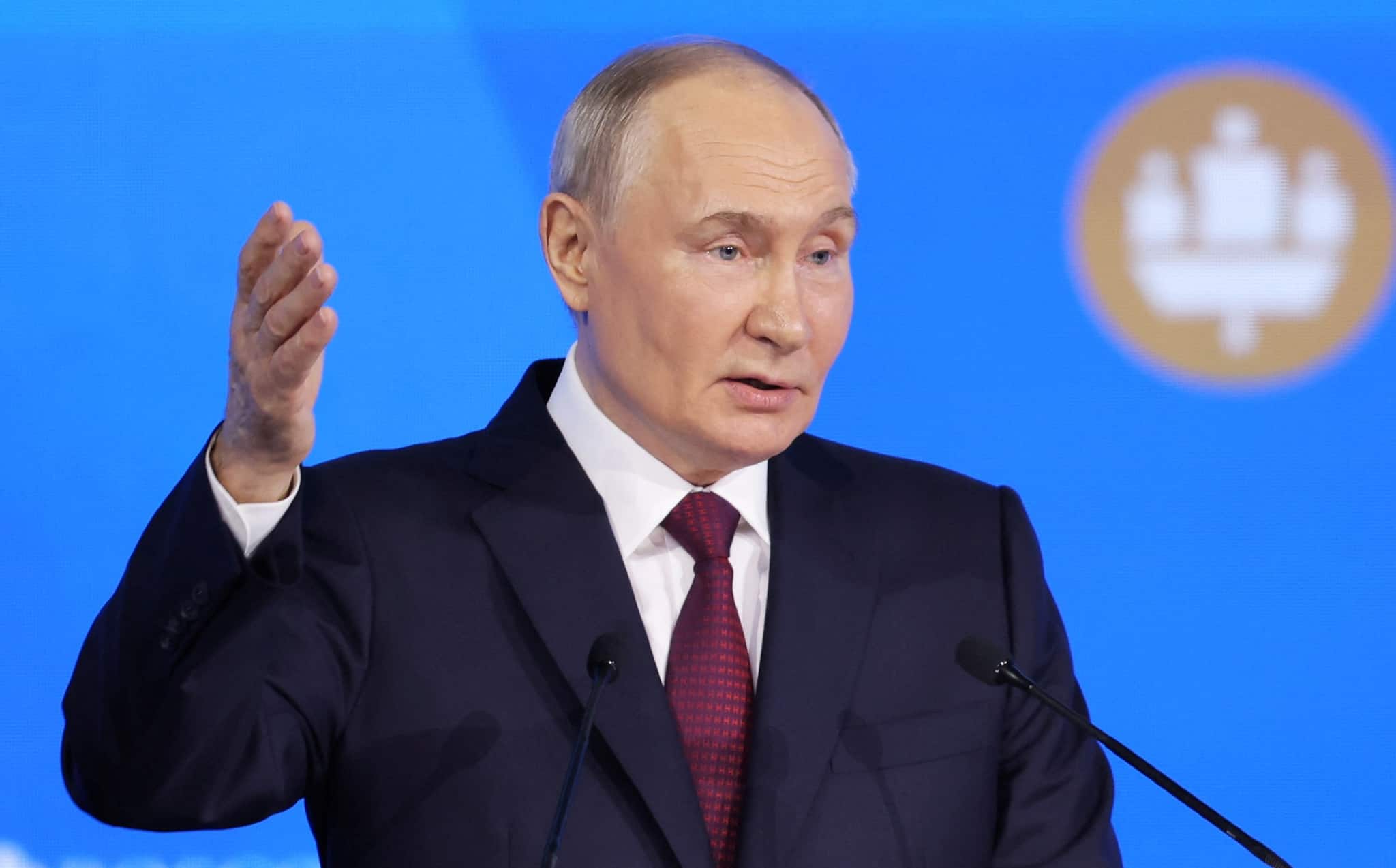
Vladimir Putin is heading to Beijing from May 19 to 20. It's his first international trip since beginning his latest presidential term, and the world is watching closely. Western media will likely frame this as a predictable photo op between two autocrats. That's a mistake. This meeting isn't just routine diplomacy. It's a calculated move to solidify a shifting global order.
If you want to understand where global politics, trade, and military alliances are heading for the rest of the decade, you have to look past the red carpets in Beijing. This visit tells us exactly how Russia and China plan to handle Western sanctions, currency dominance, and regional conflicts.
Beijing has been trying to balance a very difficult act. On one hand, Xi Jinping needs to keep the Chinese economy afloat, which relies heavily on trade with Europe and the United States. On the other hand, Xi shares Putin's goal of rewriting global rules. This May 19-20 visit shows that despite intense economic pressure from Washington, Beijing is doubling down on its northern neighbor.
The Real Agenda Behind the May 19 Visit
Don't buy into the generic statements about "deepening strategic cooperation." Look at the numbers. Trade between Russia and China hit a record high of over $240 billion last year. They beat their own growth targets early.
The biggest topic on the table during this two-day summit isn't just buying more oil or selling more cars. It's the financial plumbing that keeps both countries safe from Western banks.
Right now, more than 90% of trade between Russia and China is settled in rubles or yuan. They've effectively cut out the US dollar. Washington has noticed this. US Treasury officials have threatened to sanction Chinese banks that facilitate the flow of goods that could help Russia's military.
Putin's visit is a direct response to those threats. The two leaders need to build a financial fortress. Expect them to announce new, decentralized payment mechanisms that bypass the SWIFT banking system entirely. It's about survival for Russia, and it's a dry run for China.
Energy is the Glue That Holds This Together
Russia needs a market for its energy. China has an insatiable appetite for cheap fuel. It's a match made in geopolitical heaven, even if it's a bit unequal.
Russia is now China's top oil supplier. Russian crude flows steadily into Chinese refineries, often at a discount compared to global benchmarks. This keeps Chinese manufacturing competitive while keeping the Kremlin's budget well-funded.
The big elephant in the room during the May 19 to 20 meetings is the Power of Siberia 2 pipeline. This massive project would send natural gas from Russia's Yamal peninsula straight to northern China. Russia wants this badly to replace the European market it lost. China has been dragging its feet on the final terms, using its leverage to get the absolute lowest price possible. Watch the announcements closely during the trip. If they finally sign the deal, it means Beijing is fully committed for the long haul.
Why This Matters For Global Security
The timing of this trip matters. The war in Ukraine is at a critical juncture. At the same time, tensions around Taiwan and the South China Sea remain incredibly high.
China has officially maintained a neutral stance on Ukraine, offering vague peace plans that the West routinely dismisses. But US intelligence reports indicate that Chinese companies are supplying Russia with machine tools, microelectronics, and satellite imagery. China isn't sending artillery shells, but they are sending the factory equipment needed to build them.
Putin will use his time in Beijing to ensure this supply chain remains completely uninterrupted. In return, expect Russia to offer more advanced military technology to China. We're talking about submarine technology, aviation engines, and joint naval drills in the Pacific.
This isn't a formal military alliance like NATO. Neither country wants to be forced to fight the other's wars. It's a marriage of convenience, but it's incredibly effective. They are stretching Western military attention across two fronts simultaneously.
The Misconception of a Junior Partner
A lot of Western analysts love to point out that Russia has become China's "junior partner." They say Russia's economy is roughly the size of Canada's, while China is a global economic juggernaut. They argue Putin is essentially kneeling before Xi.
That view is dangerously simplistic.
Putin still holds significant cards. Russia has the world's largest nuclear arsenal. It has vast agricultural reserves that can feed China if maritime trade routes get blocked during a conflict. Russia also holds immense sway in the Global South, Africa, and the Middle East—places where China wants to expand its influence.
Xi doesn't view Putin as a subordinate. He views him as an indispensable battering ram against Western hegemony. If Russia collapses or destabilizes, China loses its most powerful ally and ends up surrounded by US-aligned states. Xi cannot let Putin fail. That reality gives Moscow much more leverage in Beijing than critics realize.
What to Watch on May 20
As the summit wraps up on May 20, look past the joint communiqués filled with diplomatic fluff. Focus on three specific areas to measure the true success of this trip.
First, check if any major state-owned Chinese banks open new branches inside Russia, or if they announce a shared digital currency framework. This will tell you if they successfully bypassed the latest US sanction threats.
Second, look for any agreements regarding the Arctic. Russia considers the Northern Sea Route its personal backyard, but China wants access to shorten shipping times to Europe. Any joint venture there means Russia is trading geographic access for Chinese cash.
Third, watch the body language and the specific phrasing regarding Taiwan and Ukraine. If China uses stronger language supporting Russia's security concerns, it means Beijing is growing less worried about European economic retaliation.
The global order isn't changing overnight, but the meetings on May 19 and 20 are a major building block. Western policymakers can't afford to misread this trip as mere theater. The axis between Moscow and Beijing is hardening, and the economic and military ripples will be felt for years. Track the institutional agreements signed during these two days, as they will define the alternative financial network that will challenge Western dominance for the rest of 2026.


_Biopsy.png?branch=uat_release_3)
