Stand at the edge of the Gyirong port today, and you are staring into a grey-black void of mud. The five-storey customs building that anchored China and Nepal's trade route is entirely gone. Not a single wall stands. A lone Chinese flag planted in towering debris marks where a bustling international gate welcomed electric vehicles, merchants, and Hindu pilgrims just weeks ago.
On August 26, a massive glacier collapse on the Nepalese side triggered a tsunami-like wall of water, mud, and boulders that slammed down the narrow river gorge with terrifying speed. The destruction was absolute. More than 1,300 people lost their lives across the region, and thousands remain missing. When foreign media finally toured the site, the scale of the erasure felt almost unreal.
The Anatomy of a High-Altitude Catastrophe
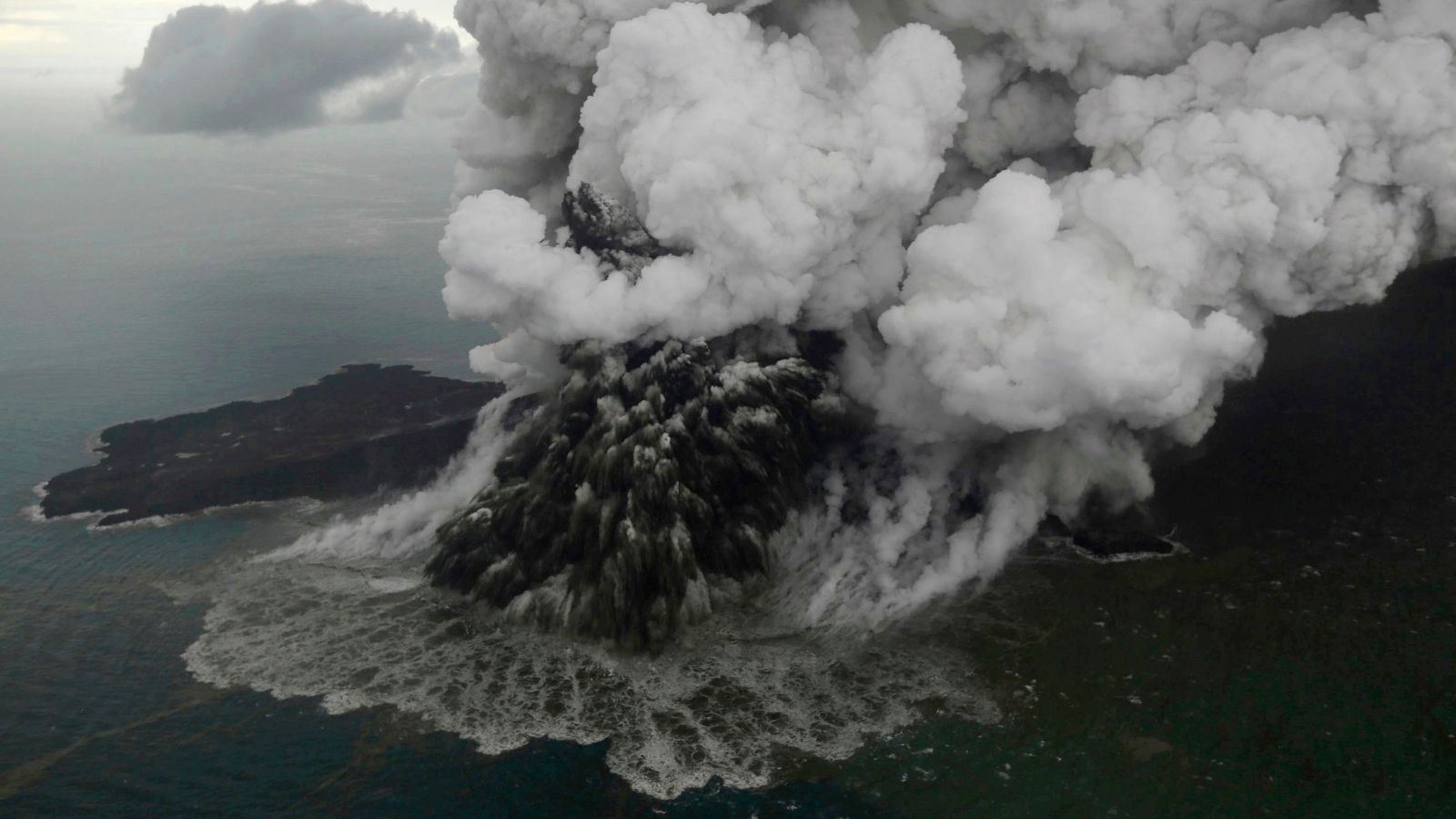
You cannot understand this disaster by looking at typical weather patterns. This was a cryrosphere failure. High in the Himalayas, thousands of glacial lakes sit perched like ticking time bombs. Scientists monitor hundreds of them, but nature moves faster than sensors.
When the glacier gave way, it generated a seismic jolt and sent a slurry of debris roaring down into the narrow valley. Surveillance footage captured the horrific sequence: a dark wall of mud swallowing everything in seconds. Rescue crews equipped with ground-penetrating radar and excavators now comb through seven distinct search zones. They pull personal belongings from the muck—fingerprints and tattoos serving as grim identifiers for those swept away.
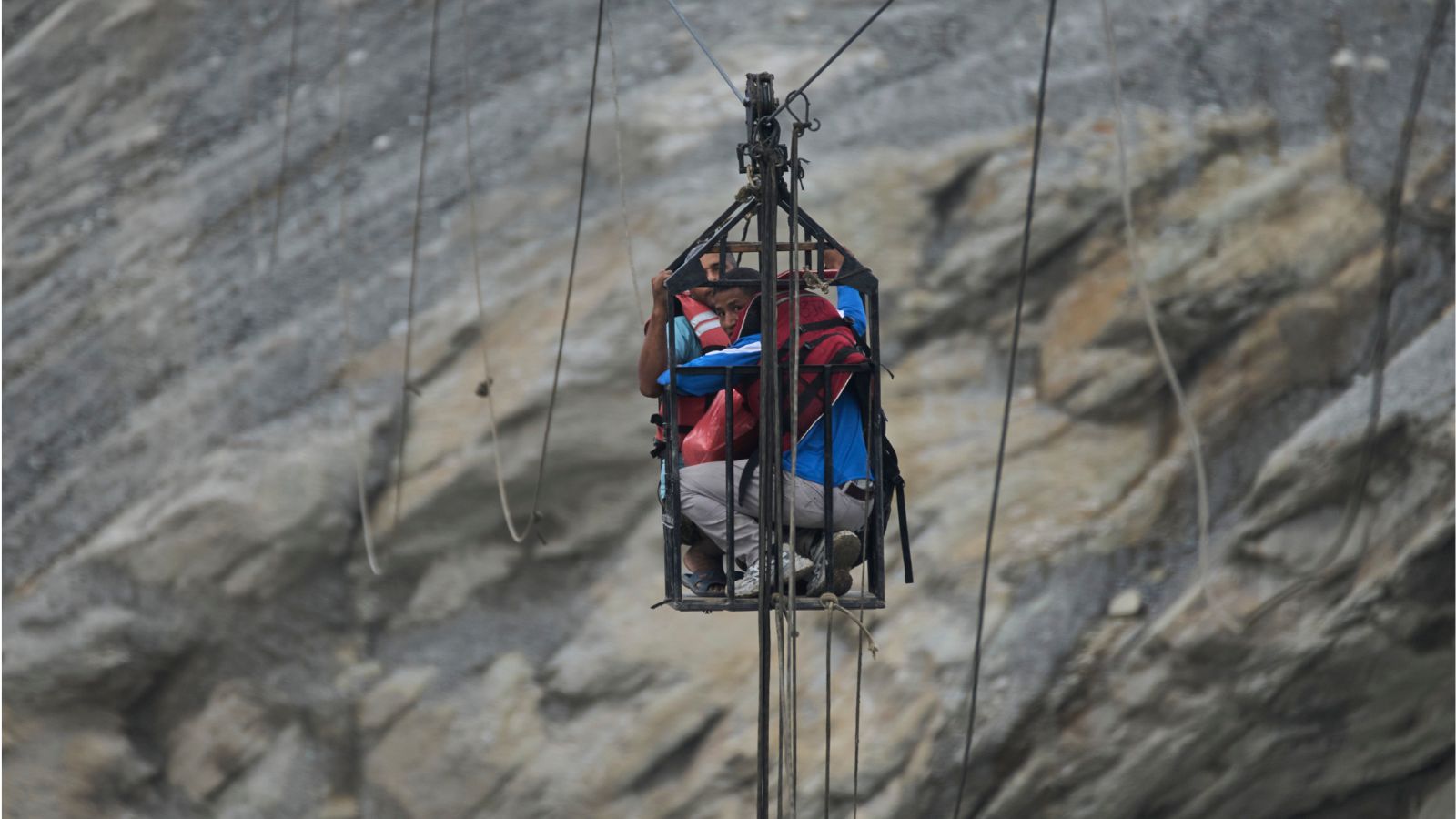
This corridor wasn't just another mountain pass. It became the economic lifeline for bilateral trade after the catastrophic 2015 earthquake ruined alternative routes further east. It was also a vital corridor for pilgrims heading toward Mount Kailash. Now, trade is frozen, supply chains are severed, and diplomats are left pressing Beijing for answers regarding missing foreign nationals and transparent identification protocols.
Geopolitical Friction in the Mud
Recovery operations rarely happen in a vacuum. Families of the missing, alongside foreign diplomats from 23 countries, are speaking out against information gaps. Questions about facial-recognition archives and DNA matching protocols have met frustrating silence.
Beijing maintains its data release was transparent, pointing out that the disaster originated across the border in Nepal. Officials emphasize that cross-border cooperation must evolve if we want to survive these high-altitude threats. With thousands of high-risk glacial lakes scattered across the Himalayas, pointing fingers at who owns the early-warning mandate won't save lives.
The physical terrain itself fights back against recovery efforts. At altitudes dropping to 1,800 meters within steep gorges, rescue workers face unstable slopes, deep mud, and the constant threat of secondary barrier lakes breaching.
What Comes After the Port Is Erased
Rebuilding cannot mean simply putting the concrete back where it was. Governments on both sides face hard choices about whether to reconstruct in the exact same vulnerable gorge or abandon the route entirely. Climate models suggest that glacial collapses will only accelerate as temperatures climb.
If you are tracking international logistics, supply chain stability, or South Asian geopolitics, this event marks a permanent shift. Border security and economic corridors must now factor in sudden cryospheric collapse.
To stay ahead of these risks, monitor the bilateral reconstruction updates coming out of Tibet and Kathmandu closely, and push logistics providers to diversify mountain transit dependencies before the next high-altitude flash flood strikes.
Flash Flood Destroys Nepal-China Friendship Bridge
This video provides an on-the-ground look at the sudden and destructive impact of flash floods along the rugged Nepal-China border region.